The x86 CPU: From 4004 to 486
Source Entity
Hacker News
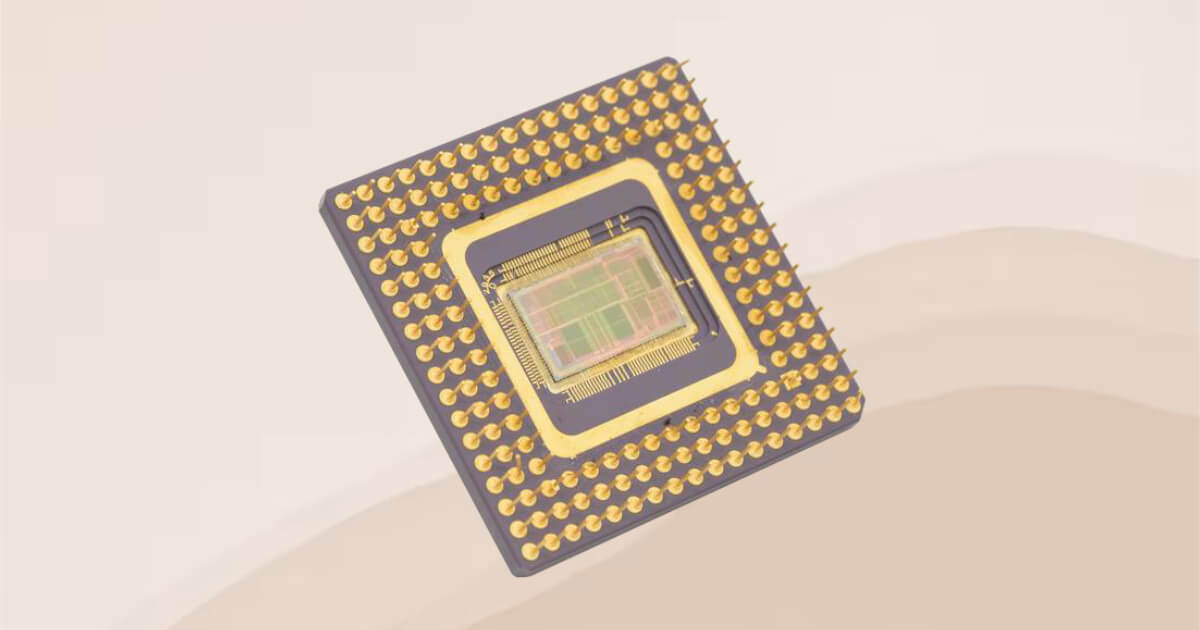
The x86 architecture is defined by its long, cumulative history of design choices that influence modern computing. This analysis explores how early architectural decisions from the 4004 to the 486 continue to shape modern PC operations.
The Architectural Legacy of the x86 Family
The x86 architecture is more than just a series of technical specifications; it is a living history of computing that traces its lineage back to the earliest microprocessors. To understand why modern computers still operate in ways that seem archaic—such as the persistence of Real Mode or the specific naming conventions of registers—one must look beyond the datasheets and into the constraints and design philosophies of the 1970s and 80s.
The Origins: From 4004 to Early x86
When the Intel 4004 emerged, it set the stage for a revolution in microprocessing. However, the subsequent evolution into the x86 family was not a clean slate. Instead, it was an iterative process where compatibility was king. The reason registers are named AX, BX, CX, and DX is rooted in this early era, where every byte of silicon was precious and naming conventions were dictated by the limited instruction sets of the time.
The Persistence of Little-Endian Architecture
One of the most persistent questions in computer science is why x86 remains a little-endian architecture. This design choice, where the least significant byte is stored at the smallest memory address, was not an arbitrary decision but a reflection of the hardware's internal data paths and the specific requirements of the early Intel designs. This choice has rippled through decades of software development, creating a standard that modern developers must still accommodate.
Segmented Memory and the DOS Legacy
For those who have interacted with legacy systems, the address format A000:0000 is iconic. This segmented memory model was a necessity born from the limitations of the 8086 processor's address bus. While modern 64-bit systems have long since surpassed these physical barriers, the influence of this addressing style persists in how software interacts with hardware, effectively keeping the spirit of 1978 alive in modern silicon.
Evolution Through Constraints: The 486 and Beyond
The transition from the 8086 to the 486 represented a massive leap in capability, yet it was achieved by layering new features like Protected Mode over existing architectures. This cumulative approach allowed for backward compatibility, ensuring that software written for earlier chips could run on newer, more powerful hardware. This strategy was the cornerstone of the PC revolution.
Conclusion: Understanding the Modern PC
Ultimately, a modern PC is a master of disguise, often waking up in a state that mimics the behavior of a 1978 chip to ensure compatibility during the boot process. By studying this evolution, we gain a deeper appreciation for the architectural debt carried by modern processors. Understanding this history is essential for any student of computer architecture, as it explains the 'why' behind the 'how' of modern computing.