Yemen's Houthis claim attacks on Saudi oil refinery as Trump warns of new strikes next year
Source Entity
US Top News and Analysis
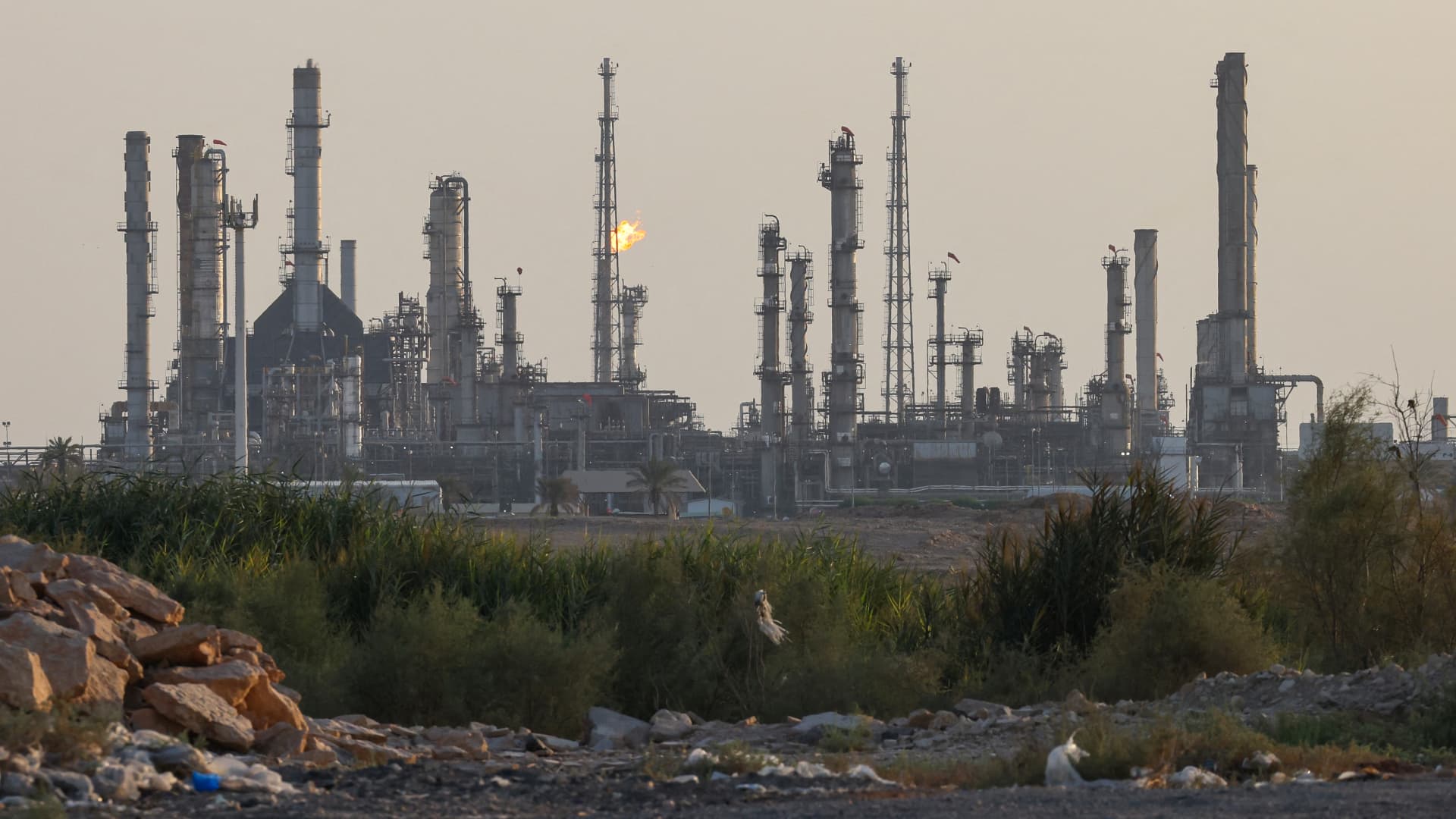
Yemen's Iran-aligned Houthis have claimed a drone attack on Saudi Arabia's Rabigh oil refinery, signaling a sharp escalation in regional hostilities. The incident coincides with broader geopolitical tensions as Iranian forces seek to leverage military pressure on the U.S. amid stalled diplomatic peace efforts.
Escalating Tensions in the Arabian Peninsula
The recent claim by Yemen's Houthi rebels regarding an operation against the Rabigh oil refinery in Saudi Arabia marks a volatile shift in the ongoing regional conflict. By targeting critical energy infrastructure, the Iran-aligned group has once again demonstrated its capacity to disrupt global oil markets and exacerbate the humanitarian and security crisis that has plagued the region for years. This latest offensive, characterized by reports of flames and smoke rising near Riyadh, underscores the persistent vulnerability of Saudi Aramco’s assets to aerial incursions.
The Strategic Objective Behind the Strikes
Analysts suggest that these attacks are not merely isolated tactical maneuvers but are part of a broader strategy employed by Iranian-backed forces to exert pressure on the United States. As diplomatic channels for ending the Yemen war remain largely gridlocked, the Houthis appear to be utilizing military escalation as a bargaining chip. By threatening the stability of Saudi Arabia’s oil production, these actors aim to force the U.S. and its allies into accepting terms that favor Iranian regional interests, fundamentally complicating the prospect of a lasting ceasefire.
Interception and Defensive Realities
While the Houthis assert that their strike on the Rabigh refinery was a direct hit, the Saudi-led coalition has reported the successful interception and destruction of a drone launched toward the kingdom. This discrepancy between Houthi claims and coalition reports highlights the ongoing technological arms race between Houthi offensive capabilities and Saudi defensive systems. Despite the coalition’s efforts to shield critical infrastructure, the mere frequency of these attempts—as evidenced by the October 3 incidents—creates a persistent security environment that keeps global energy markets on edge.
The Failure of Diplomacy
Diplomatic efforts to resolve the Yemeni conflict have faced long odds for years, and the current uptick in hostilities suggests that a peaceful resolution remains elusive. The reliance on military force by the Houthis, coupled with the continued support from Tehran, creates a cycle of violence that undermines international mediation attempts. As the conflict drags on, the humanitarian toll continues to rise, and the prospect of a negotiated settlement seems increasingly distant, replaced by a reality of constant, low-intensity warfare.
Future Trends and Regional Security
Looking ahead, the situation remains precarious. If these attacks continue to target high-value oil infrastructure, the potential for a more robust military response from the Saudi-led coalition and its international partners increases significantly. The intersection of regional power struggles and global energy security ensures that any further escalation will likely have immediate repercussions on international markets and diplomatic relations. Without a fundamental shift in the geopolitical calculations of the participating parties, the region faces a protracted period of instability.