An oil lifeline is under threat, and markets have yet to price in the growing crisis
Source Entity
Myra P. Saefong
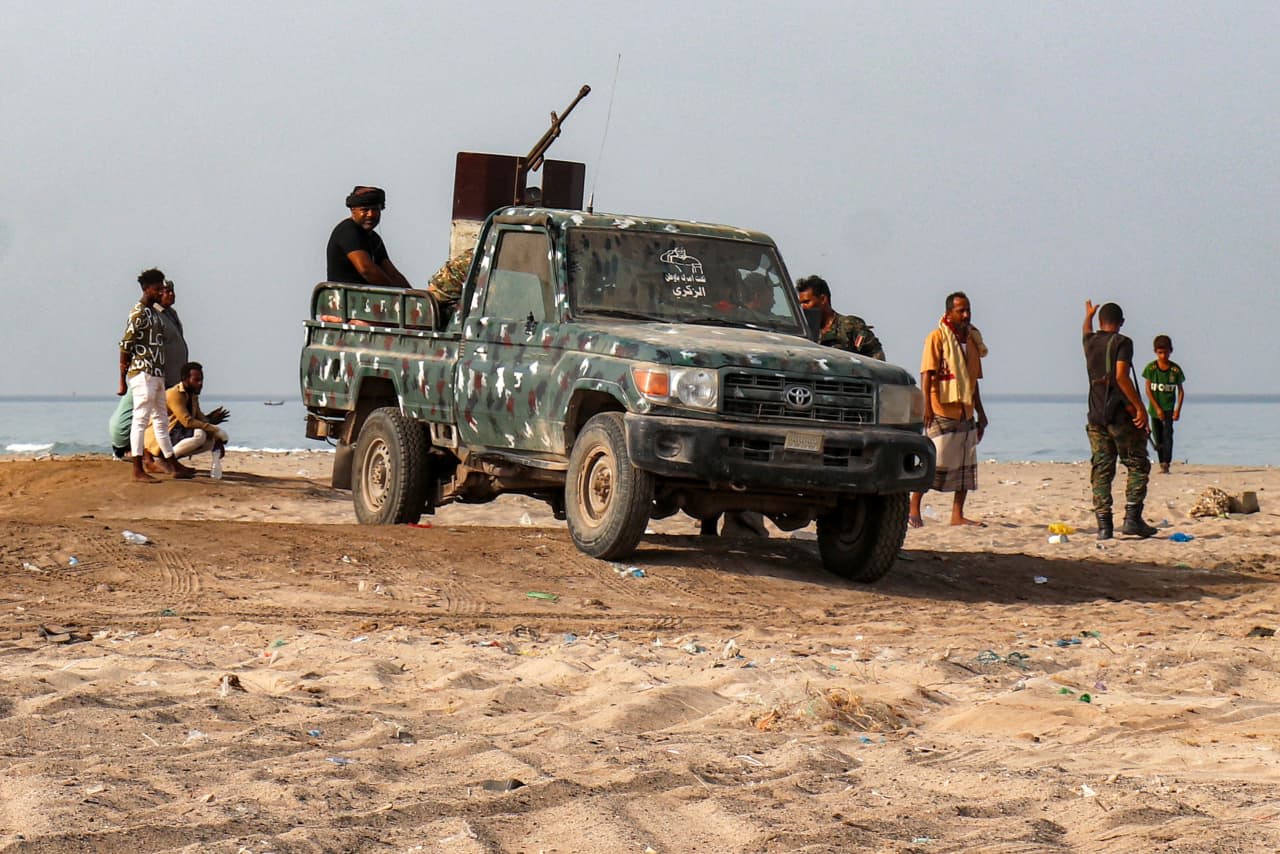
Yemen’s Houthi rebels have declared a maritime blockade against Saudi Arabia, threatening critical oil shipping lanes in the Red Sea. This escalation follows reciprocal strikes between the Houthis and the Saudi-led coalition, further destabilizing regional security and global energy markets.
Escalation in the Red Sea: The Houthi Naval Blockade
The security architecture of the Middle East has entered a period of extreme volatility as Yemen’s Houthi rebels have officially announced a maritime blockade targeting Saudi Arabia. This tactical shift, confirmed by Houthi spokesman Yahya Saree, marks a significant departure from localized land-based warfare to a strategic offensive aimed at disrupting the kingdom's economic lifeline. By targeting ports and threatening the flow of millions of barrels of oil, the Houthis are attempting to exert direct pressure on the Saudi-led coalition.
The Cycle of Retaliation
This maritime blockade is framed by the Houthis as a direct response to what they characterize as a siege of the Yemeni capital, Sana’a, by Saudi-led forces. The sequence of events leading to this escalation includes Saudi airstrikes on Sana’a airport, which prompted immediate Houthi retaliation. This tit-for-tat engagement highlights the fragile nature of the conflict, as both sides move to escalate their military capabilities in response to perceived territorial and political threats.
Strategic Implications for the Bab Al-Mandeb Strait
The threat to Saudi shipping lanes carries grave implications for global energy markets. The Bab Al-Mandeb strait, a crucial chokepoint for international oil transit, sits at the heart of this confrontation. Any sustained disruption here risks not only the physical safety of commercial vessels but also a significant surge in global energy prices. The Saudi-led coalition has already signaled that it is taking defensive measures to protect vessels, effectively setting the stage for a high-stakes naval standoff in the Red Sea.
Regional Power Dynamics and Iran's Role
Adding a layer of complexity to the crisis is the broader regional context involving Iran. The Houthi rebellion is widely seen as an Iran-backed effort, and these maritime threats are coinciding with reported Iranian strikes on U.S. and allied assets in the Gulf. This synchronization suggests a widening theater of conflict that transcends the Yemeni borders, drawing in international stakeholders and complicating the diplomatic avenues for de-escalation.
Market Vulnerability and Future Trends
Despite the clear threat to the energy supply chain, current reporting indicates that global markets have yet to fully price in the severity of this crisis. The potential for a prolonged blockade suggests that volatility in energy sectors may be inevitable. Future trends will likely depend on the effectiveness of the Saudi-led coalition’s naval protection efforts and the extent to which international powers intervene to maintain the freedom of navigation in these critical maritime corridors.
Conclusion
The situation remains fluid and highly dangerous. The Houthi blockade is not merely a localized military maneuver but a strategic challenge to the regional status quo. As the conflict intensifies, the primary concern remains the safety of commercial shipping and the stability of the global energy market, both of which are now directly tethered to the outcome of this naval confrontation.
Multiple Citing Sources
Verification Required?