Trump dismisses Houthi Red Sea blockade threat, says ‘US ready to respond’
Source Entity
The Indian Express
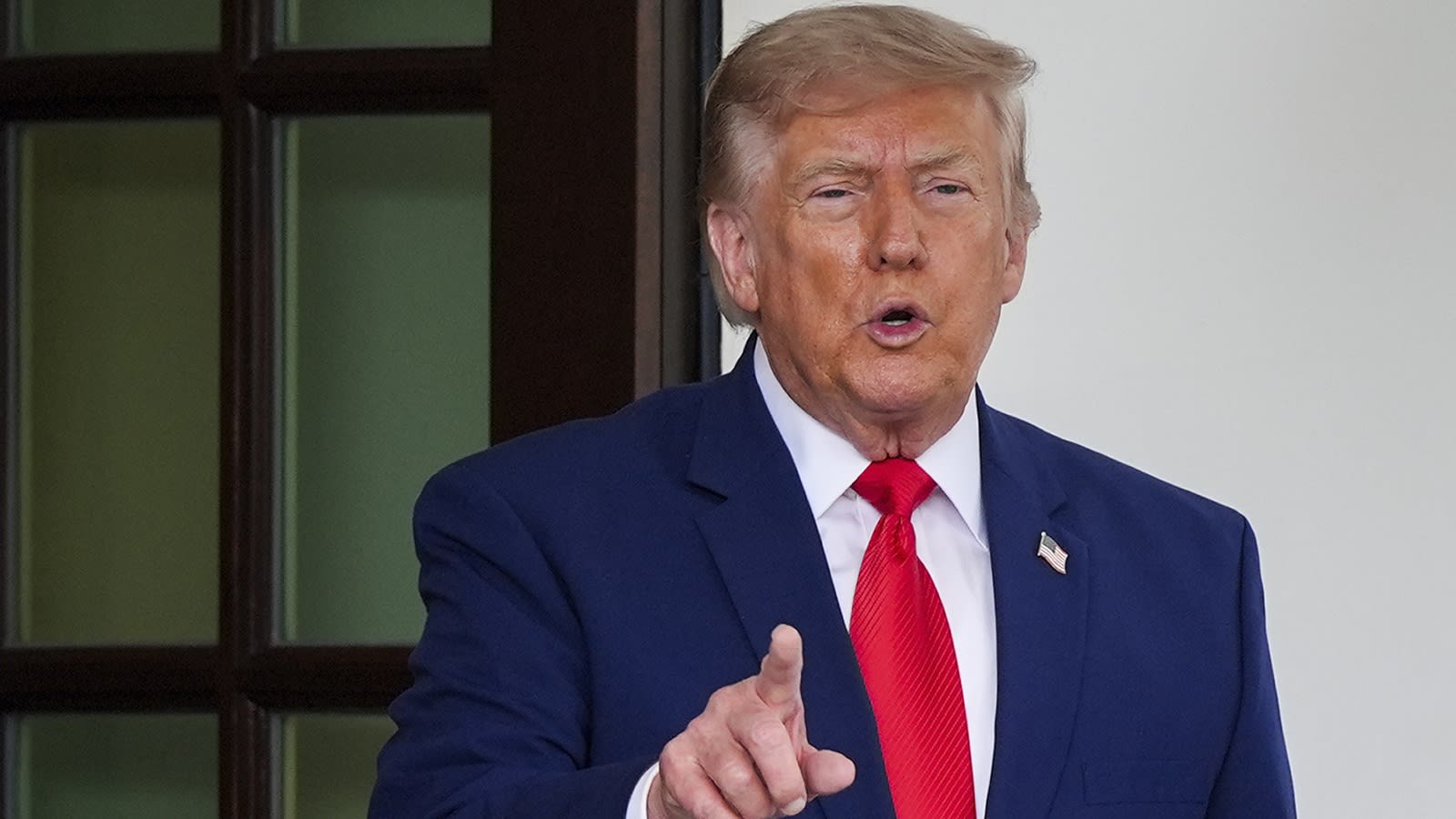
Yemen's Houthi rebels have announced a naval blockade against Saudi Arabia, threatening critical Red Sea shipping lanes and global energy supplies. The U.S. has dismissed the immediate threat, though the escalation risks drawing the U.S. into a direct conflict with Iranian-backed forces.
Escalation in the Red Sea: The Houthi Naval Blockade
The geopolitical landscape of the Middle East has entered a period of acute volatility following announcements from Yemen’s Houthi rebels regarding a naval blockade targeting Saudi Arabia. This move, which comes in retaliation for alleged sieges on the Yemeni capital of Sana’a and recent Saudi-led coalition strikes on the city's airport, marks a significant shift in the operational capabilities of the group. By threatening to block one of the world's most critical maritime chokepoints, the Houthis are directly challenging the stability of regional trade routes.
The Strategic Significance of the Bab Al Mandeb Strait
The Bab Al Mandeb Strait serves as a vital artery for global energy markets, facilitating the transit of millions of barrels of oil daily. Any disruption in this corridor, as threatened by the Houthis, poses an immediate risk to global energy security. The blockade is ostensibly a response to the ongoing military intervention by the Saudi-led coalition in Yemen, but its potential to disrupt international commerce elevates the conflict from a localized civil war to a matter of global economic concern.
Regional Dynamics and the Role of Iran
The conflict is further complicated by the reported involvement of Iran, which has been linked to strikes on U.S. and allied assets in the Gulf. The Houthi rebels, described as an Iran-backed faction, appear to be acting in alignment with broader regional pressures. The sequence of actions—starting with Saudi strikes on Sana’a and culminating in the Houthi vow to halt maritime traffic—highlights the fragile nature of the current security architecture in the Gulf.
The United States' Stance
In response to these developments, the United States has adopted a posture of firm deterrence. President Donald Trump has dismissed the immediate threat of a blockade, asserting that the U.S. is prepared to "take care of business" should the Houthis follow through on their promises. This rhetoric underscores the U.S. commitment to maintaining freedom of navigation in the Red Sea, a stance that has historically been backed by a robust naval presence in the region.
Broader Implications for Global Markets
The potential for a full-scale naval confrontation carries profound implications for global energy markets. A successful blockade would not only squeeze supply chains but could also trigger a rapid increase in oil prices, impacting economies worldwide. The intersection of military strategy and economic warfare in this region suggests that the stability of the Red Sea will remain a central concern for international policymakers in the coming months.
Future Trends and Security Outlook
Moving forward, the situation remains highly fluid. The Saudi-led coalition has already taken steps to protect vessels, indicating that a maritime "cat and mouse" game may be underway. Unless there is a de-escalation, the risk of a broader conflict involving the United States, Iran, and their respective allies remains high. The ability of the international community to safeguard these waters will be the primary factor in preventing a major economic and security crisis.
Multiple Citing Sources