Houthi leader warns US, Israel, Saudi Arabia, Pakistan & Turkey: ‘do not join Riyadh’s war on Yemen’
Source Entity
Latest News: Todays Latest News Headlines from India & World | Hindustan Times | Hindustan Times
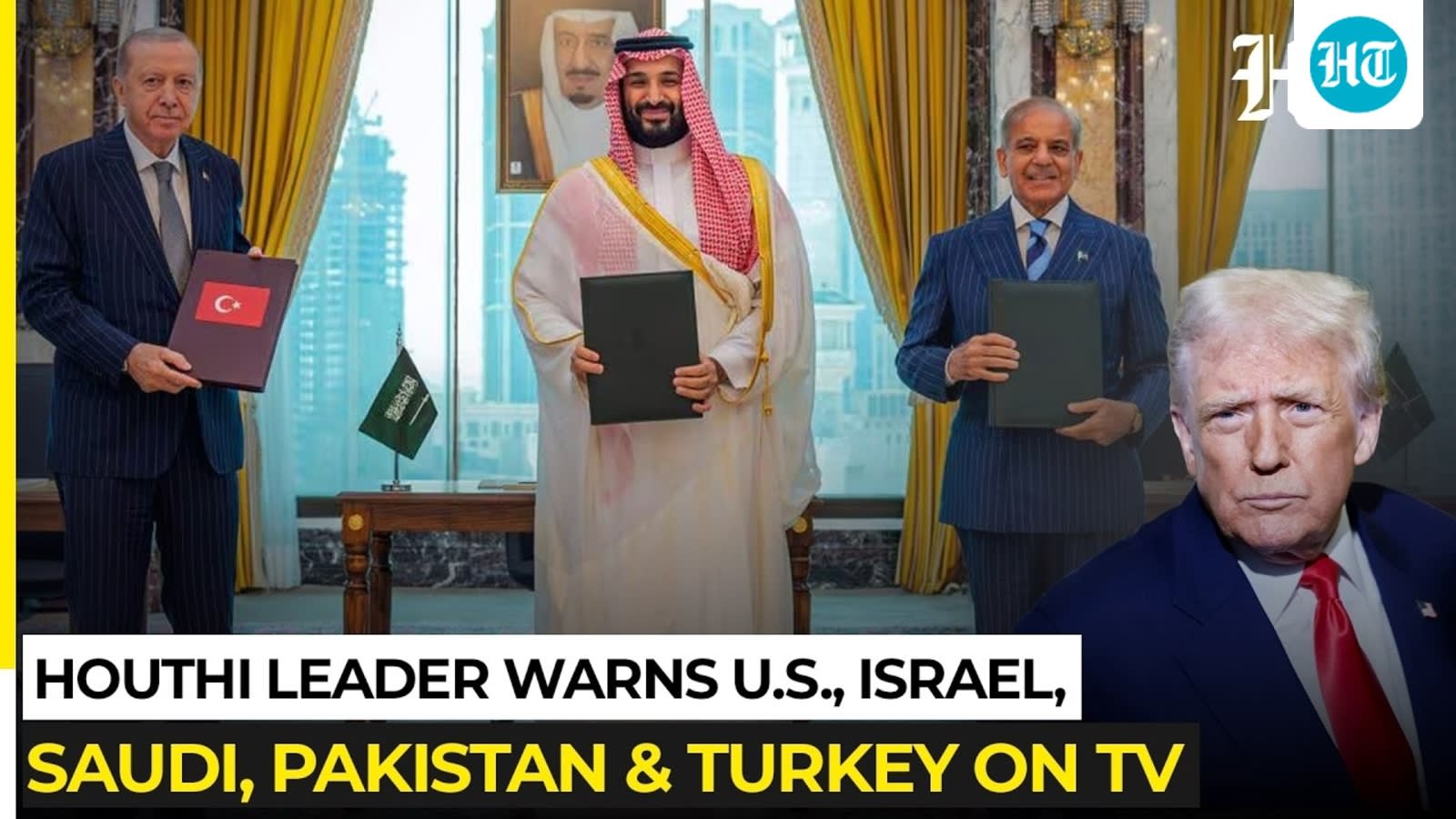
The Houthis have signaled a strategic divide, offering safety to U.S. vessels while warning regional powers against aiding Saudi Arabia in Yemen. This shift follows reported U.S. hesitation to provide direct military support to Riyadh amidst escalating territorial gains by the Houthi movement.
The Strategic Realignment in the Red Sea
The ongoing conflict in Yemen has entered a volatile new phase, characterized by a calculated diplomatic and military strategy from the Houthi movement. By drawing a clear distinction between the United States and Saudi Arabia, the Houthis are attempting to isolate Riyadh on the international stage. The assurance provided to the Trump administration—that U.S. vessels would remain unmolested in the critical Bab al-Mandab strait—suggests a pragmatic effort to de-escalate tensions with Washington while simultaneously hardening their posture against Saudi-led coalition efforts.
The Shift in Military Momentum
Recent Houthi territorial gains along Yemen’s western coast, including the capture of Mokha and key Red Sea islands, have fundamentally altered the tactical landscape. These successes provide the group with increased leverage over maritime logistics in the Red Sea. By securing these strategic points, the Houthis have effectively challenged the coalition’s control, forcing regional powers to reconsider the cost of continued military engagement. The claim that the balance of power has shifted reflects a growing confidence within the movement regarding their ability to sustain a prolonged asymmetric campaign.
Riyadh’s Search for Regional Allies
As the conflict intensifies, reports indicate that Saudi Arabia is actively seeking external military support to bolster its position. Houthi leadership, specifically Abdul-Malik al-Houthi, has issued stern warnings to countries like Pakistan and Türkiye, cautioning them against joining the fray. These warnings underscore the Houthis' awareness of Riyadh’s diplomatic maneuvering and their desire to prevent the regionalization of the conflict, which could threaten the gains they have made on the ground.
The Ambiguity of U.S. Involvement
Central to this narrative is the reported reluctance of the Trump administration to engage in renewed U.S. strikes, despite requests from Saudi officials. This perceived hesitation has created a power vacuum that the Houthis are quick to exploit. While Washington continues to study its options, the Houthi strategy of offering a 'pass' to U.S. ships serves as a wedge, potentially complicating the traditional security architecture that has long linked American military interests with Saudi regional objectives.
Ideological and Geopolitical Implications
The conflict is further complicated by the Houthis' explicit linkage of their struggle to the Palestinian cause. By framing their resistance against the Saudi blockade as part of a broader regional struggle, the movement seeks to build moral legitimacy and regional solidarity. This ideological framing, coupled with the rejection of external interference from nations like Pakistan and Turkey, portrays the conflict not just as a local civil war, but as a defining struggle for regional sovereignty.
Future Trends and Regional Stability
Looking ahead, the stability of the Red Sea transit corridor remains highly precarious. If Saudi Arabia continues to rely on airstrikes—which the Houthis claim have numbered over 760—without direct U.S. support, the risk of a protracted, indecisive stalemate grows. The Houthis appear determined to leverage their maritime control to force a political resolution on their own terms. Whether the U.S. maintains its current policy of restraint or is eventually drawn back into the conflict will likely be the determining factor in the future of the Yemeni theater.
Multiple Citing Sources
Verification Required?