Trump to press Zelenskyy for energy truce, says Russia has ‘lost control’ of oil due to Ukraine war
Source Entity
US Top News and Analysis
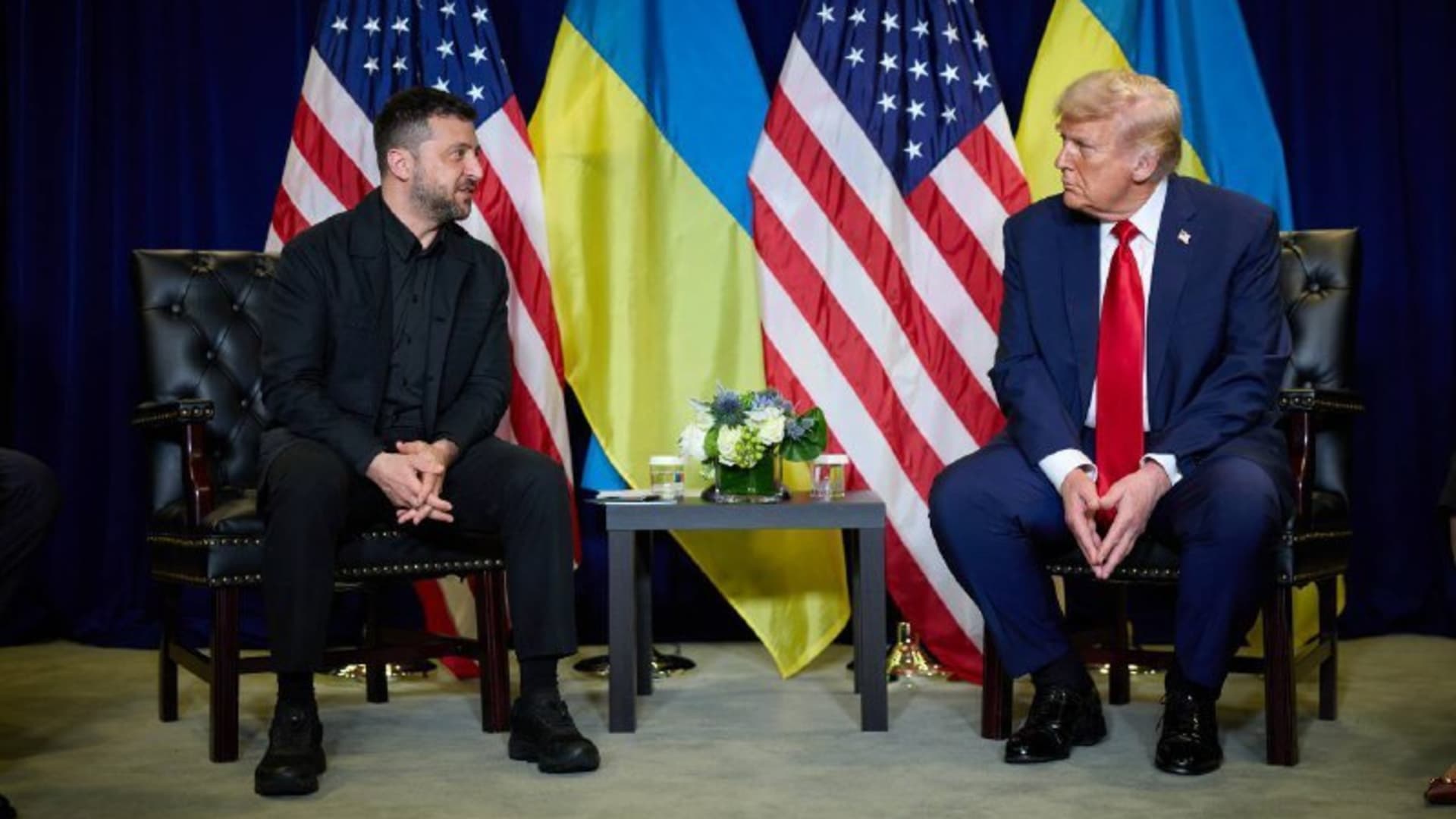
President Donald Trump is set to meet Ukrainian President Volodymyr Zelenskyy to propose an energy truce amid ongoing conflict. Trump argues that Russian diesel production has been critically damaged by Ukrainian drone strikes on refineries.
Strategic Energy Diplomacy in the Ukraine Conflict
President Donald Trump’s upcoming meeting with Ukrainian President Volodymyr Zelenskyy on the sidelines of the United Nations General Assembly marks a critical juncture in the ongoing conflict. Central to the agenda is the proposal for an 'energy truce,' a diplomatic maneuver aimed at de-escalating the hostilities that have ravaged regional infrastructure for over four and a half years. By positioning energy as a primary lever for negotiation, the administration is attempting to shift the focus from purely kinetic warfare to a controlled stabilization of resource security.
The Erosion of Russian Energy Infrastructure
President Trump’s recent assertion that Moscow has 'lost control' of its diesel oil industry serves as the foundational argument for this proposed truce. This assessment stems from the efficacy of Ukrainian drone strikes, which have systematically targeted Russian oil refineries. These strikes represent a significant departure from conventional battlefield tactics, demonstrating that Kyiv is capable of exerting economic pressure directly on the Russian interior. The resulting damage to refining capacity has created a strategic vulnerability that the U.S. now seeks to leverage to bring both parties to the table.
The Calculus of an Energy Truce
An energy truce would likely entail a reciprocal cessation of attacks on critical oil and gas infrastructure. For Russia, such an agreement would provide a necessary reprieve to repair damaged refineries and stabilize domestic fuel supplies. For Ukraine, the incentive lies in securing a potential reduction in the intensity of Russian retaliatory strikes against its own power grid, which is a major concern as the winter season approaches. The meeting will be a test of whether these competing economic imperatives can outweigh the entrenched military objectives of both nations.
Humanitarian and Defense Implications
Beyond energy, the meeting is slated to address the urgent need for enhanced air defense support for Kyiv. As winter looms, the protection of civilian infrastructure against missile and drone attacks remains a top priority for the Zelenskyy administration. By linking the energy truce to defensive aid, President Trump is likely attempting to create a framework where military support is contingent upon diplomatic flexibility, forcing a recalibration of the current stalemate that has persisted for nearly five years.
Future Trends and Diplomatic Challenges
Looking ahead, the success of this meeting depends on whether both leaders can pivot from total victory to a managed de-escalation. If an agreement on energy security is reached, it could serve as a pilot program for broader ceasefire negotiations. However, the deep-seated mistrust between Kyiv and Moscow suggests that even a localized truce will be difficult to monitor and maintain. The international community will be watching closely to see if this high-stakes diplomacy can translate into tangible relief for the region's energy sector and, by extension, its civilian population.