Can public put up Porch Guy's flyers? Why Nancy Guthrie investigators may not want that, ‘The entire issue lands with…’
Source Entity
Latest News: Todays Latest News Headlines from India & World | Hindustan Times | Hindustan Times
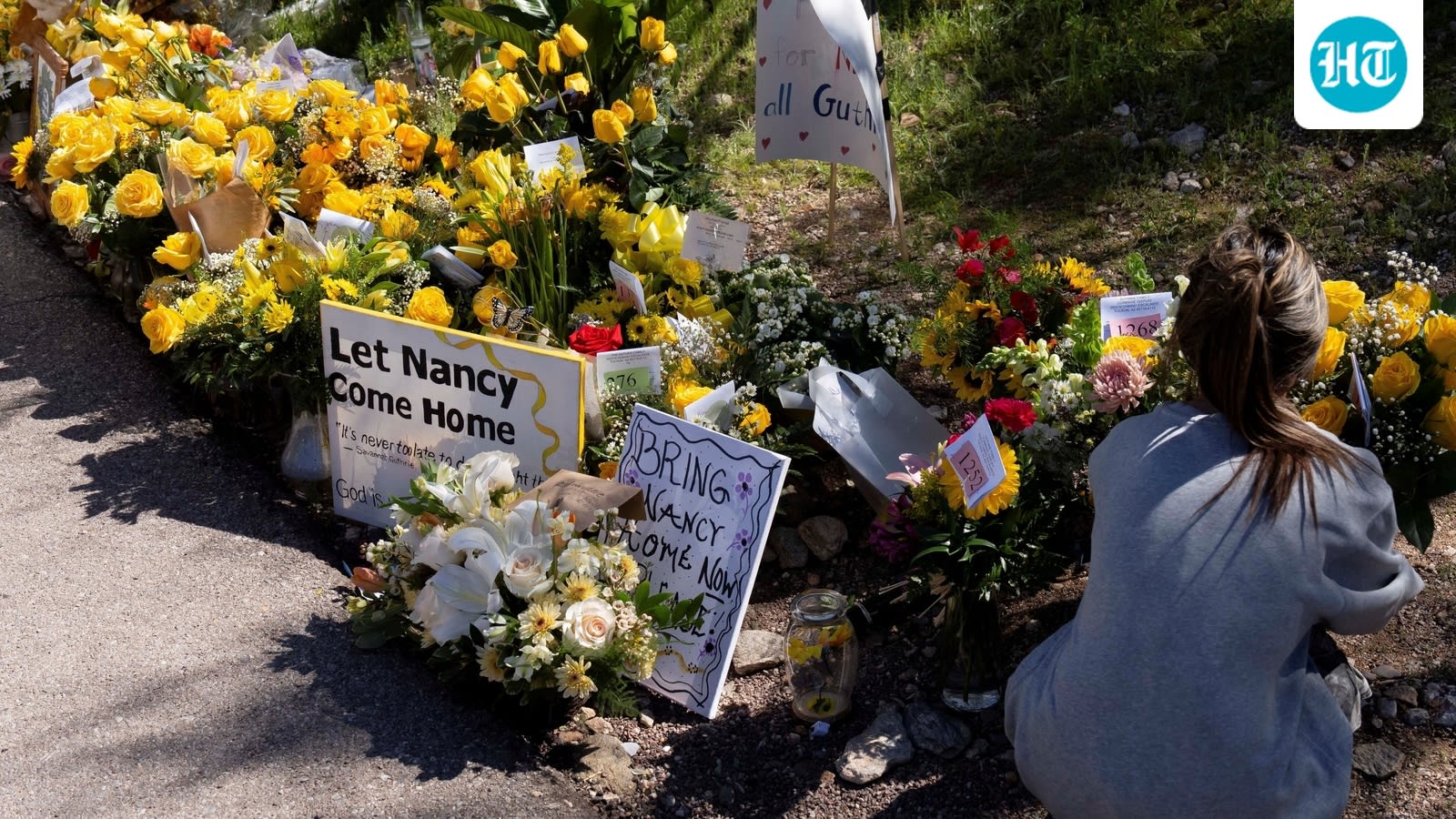
The public search for suspects in the disappearance of Nancy Guthrie has sparked debate over the legal risks of grassroots flyer campaigns. Law enforcement concerns regarding potential defamation and mistaken identity are currently hindering public-led awareness efforts.
The Legal and Ethical Complexities of Vigilante Awareness
The disappearance of 84-year-old Nancy Guthrie, mother of television host Savannah Guthrie, has galvanized significant public interest and concern. As the investigation into her February 1, 2026, disappearance from her Tucson home continues, a digital discourse has emerged on social media platforms like X. Citizens are actively seeking ways to assist law enforcement, specifically by distributing flyers featuring a suspect identified online as the 'Porch Guy.'
The Friction Between Public Zeal and Legal Caution
Recent reports indicate that community members attempting to aid the search have faced pushback from local authorities. A sheriff's deputy reportedly informed concerned citizens that the Pima County Sheriff’s Department discourages the mass distribution of unofficial perpetrator flyers. This friction highlights a classic tension between the public's desire to participate in active investigations and the rigid legal protocols that govern criminal justice.
The Risks of Defamation and Misidentification
At the core of the law enforcement position are two primary legal concerns: defamation and the potential for mistaken identity. When private citizens distribute flyers labeling an individual as a 'suspect' or 'perpetrator' without official sanction, they risk exposing themselves to civil liability. If a person misidentified in a flyer suffers reputational damage or harassment, the individual who posted the flyer could be held accountable for defamation. Law enforcement agencies prioritize the integrity of the investigative process, which relies on verified, actionable intelligence rather than speculative social media identification.
Why Law Enforcement Hesitates to Crowdsource
Many community members have questioned why police do not take the initiative to distribute these flyers themselves. From an investigative standpoint, law enforcement often restricts the release of specific suspect imagery until they have reached a threshold of certainty that minimizes the risk of false leads. Flooding an investigation with tips based on unvetted public sightings—often triggered by unofficial flyers—can overwhelm investigative resources and potentially compromise the chain of evidence necessary for a successful prosecution.
The Broader Implications for True Crime Culture
This incident underscores the increasingly blurred line between professional investigative work and 'armchair sleuthing.' While the internet has provided powerful tools for crowdsourcing information, it has also created an environment where the presumption of innocence can be easily eroded by viral speculation. The situation in Tucson serves as a reminder that while public cooperation is vital, it must operate within the parameters of the law to avoid obstructing the very justice it seeks to achieve.
Concluding Thoughts on the Search for Nancy Guthrie
As the search for Nancy Guthrie enters a critical phase, the community's frustration is palpable. However, the caution exercised by the Pima County authorities is a standard feature of modern criminal investigations designed to protect the legal process. Moving forward, the most effective contribution from the public remains the reporting of verified information directly to law enforcement, ensuring that the pursuit of truth remains both ethical and legally sound.
Verification Required?