Imran Khan's Party Warns Of 'Civil War' In Pakistan After Leader 'Kidnapped' At Gunpoint
Source Entity
NDTV News Search Records Found 1000
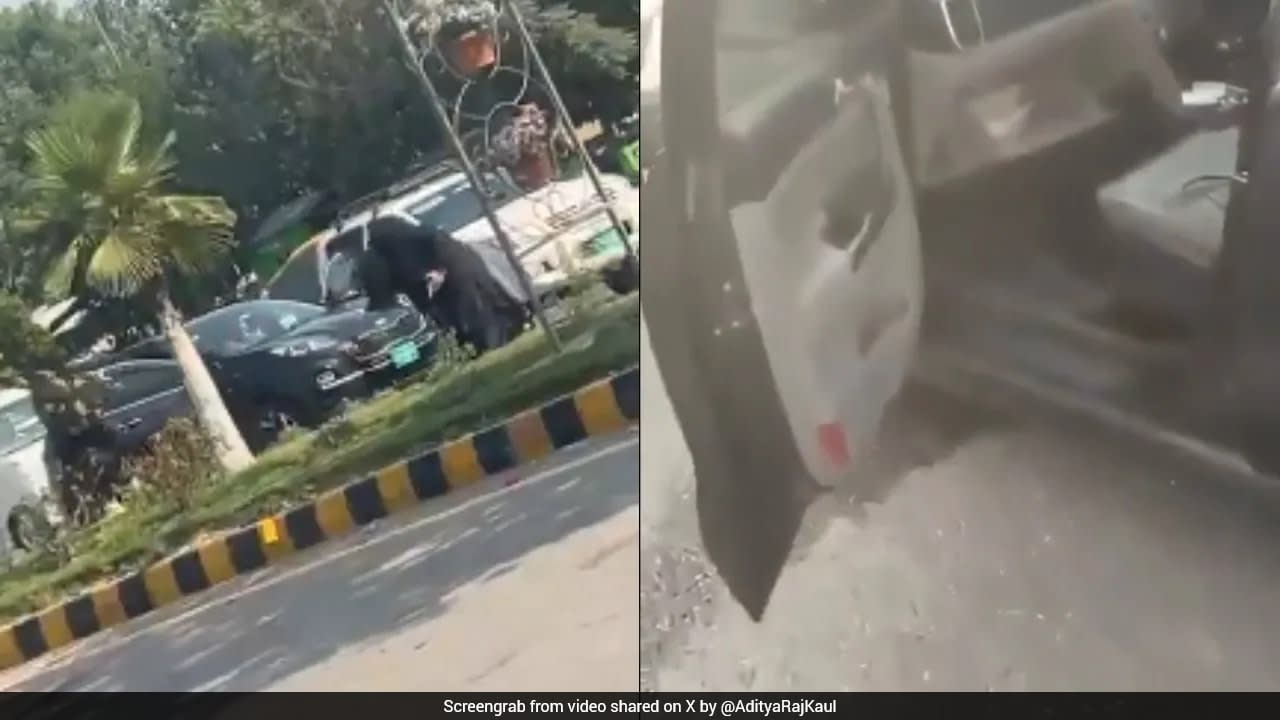
Imran Khan's political party has issued warnings of potential civil unrest following the circulation of a video appearing to show a leader being kidnapped at gunpoint. This incident has heightened political tensions within Pakistan, raising concerns over democratic stability.
The Escalation of Political Volatility in Pakistan
The recent emergence of a video depicting the alleged kidnapping of a leader from Imran Khan’s Pakistan Tehreek-e-Insaf (PTI) party at gunpoint has sent shockwaves through the nation’s fragile political landscape. The footage, which has circulated rapidly across various social media platforms, serves as a flashpoint for an already deeply polarized electorate. By framing this event as a "kidnapping," the PTI is signaling a definitive shift in their rhetoric, moving away from standard political opposition toward a narrative of existential threat and state-sponsored suppression.
Contextualizing the Threat of Civil Unrest
The warning of a potential "civil war" issued by party officials is a grave escalation in political discourse. Historically, Pakistan has navigated a precarious balance between civilian governance and the influence of powerful state institutions. When a major political entity—particularly one with the grassroots support base of the PTI—claims that its leadership is being targeted by extra-legal forces, the risk of public disorder increases exponentially. This rhetoric is intended to galvanize supporters, but it also creates a volatile environment where street-level confrontations become more likely.
The Role of Digital Media in Modern Political Conflict
The reliance on social media to disseminate evidence of the alleged kidnapping highlights the changing nature of political accountability in Pakistan. In an era where traditional media can be subject to censorship or self-regulation, the digital sphere has become the primary battleground for narrative control. The rapid spread of this video ensures that the incident cannot be ignored by the state, forcing a public response. However, the lack of immediate official verification regarding the video’s provenance adds a layer of uncertainty that fuels speculation and distrust.
Broader Implications for Democratic Processes
This incident underscores the deep-seated friction between the PTI and the prevailing political establishment. If democratic processes are perceived to be compromised by the use of force against political figures, the legitimacy of future electoral outcomes will inevitably be questioned. The stability of the nation depends on the ability of state institutions to uphold the rule of law; failing to do so risks alienating a significant portion of the population, which may view extra-legal actions as an abandonment of democratic norms.
Future Trends and Potential Outcomes
Looking ahead, the situation remains fluid. If the government fails to address the allegations surrounding the video, it is likely that the PTI will continue to intensify its protests, potentially paralyzing urban centers. Conversely, if an investigation is launched, it could provide a pathway to de-escalation, though this requires a level of transparency that has often been absent in previous political crises. The coming weeks will be critical in determining whether this incident serves as a catalyst for deeper instability or a moment of reckoning for the nation's political stakeholders.
Verification Required?