A persistent war machine: How Houthis are threatening MBS's Vision 2030
Source Entity
VIVEK DUBEY
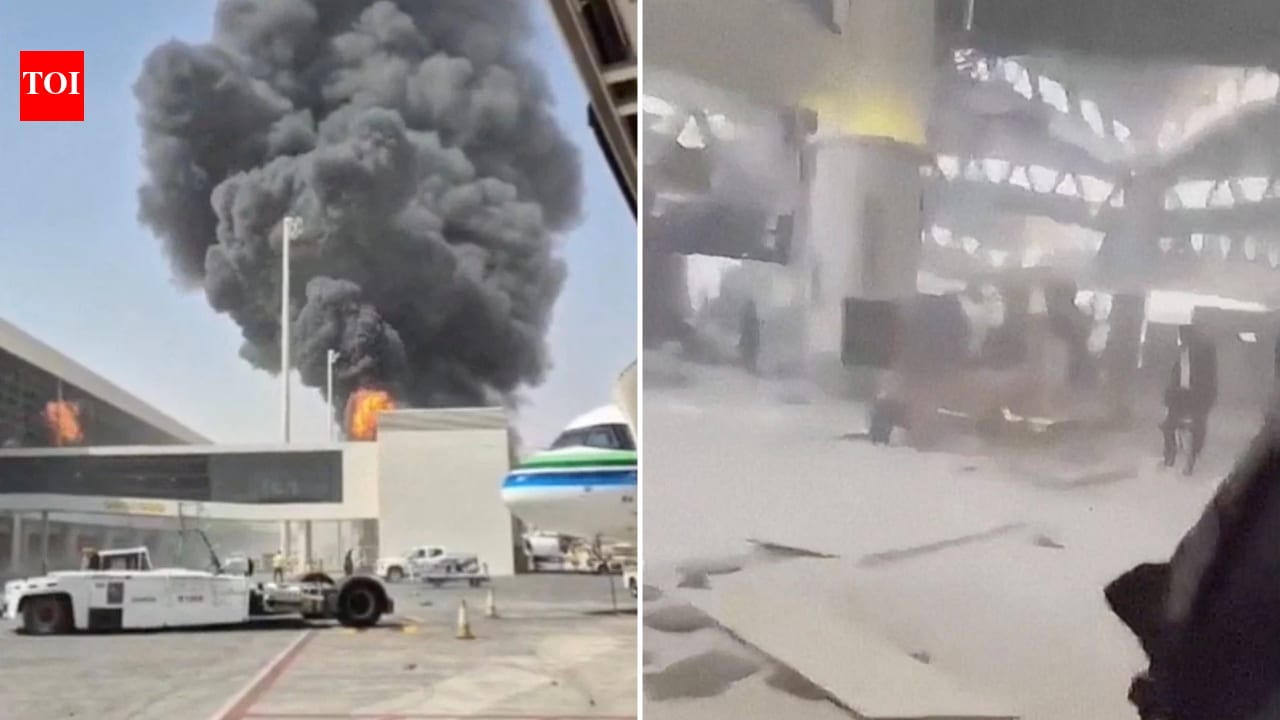
The Houthi movement's persistent military capabilities pose a significant threat to Saudi Arabia's Vision 2030 economic transformation. By utilizing a mix of imported Iranian-designed weaponry and locally assembled systems, the group challenges regional stability and infrastructure security.
The Houthi Threat to Saudi Economic Ambitions
The ongoing conflict involving the Houthi movement presents a complex security challenge that directly intersects with Saudi Arabia's ambitious Vision 2030. This national development plan, spearheaded by Crown Prince Mohammed bin Salman (MBS), aims to diversify the Saudi economy away from oil dependence, relying heavily on tourism, foreign investment, and the development of giga-projects. However, the persistent threat of aerial attacks and regional instability creates a volatile environment that complicates these high-stakes economic goals.
The Anatomy of Houthi Military Capabilities
Central to this security dilemma is the evolution of Houthi weaponry. Reports indicate that the extent of Iranian involvement varies by weapon type, reflecting a sophisticated supply chain. Some systems appear heavily reliant on direct imports of Iranian designs, suggesting a robust logistical bridge between Tehran and the Houthi forces. This dependency highlights the difficulty in fully neutralizing the threat, as the supply lines remain difficult to intercept despite international patrols and sanctions.
Local Assembly and Technological Proliferation
Perhaps more concerning is the shift toward local manufacturing. The ability of the Houthis to assemble weapon systems using foreign components indicates a significant advancement in their technical capabilities. By sourcing dual-use components from global markets, the group has moved beyond simple reliance on imported hardware to a more sustainable, decentralized production model. This development makes their arsenal more resilient to traditional interdiction efforts.
Implications for Vision 2030
Vision 2030 necessitates a stable, secure atmosphere to attract international capital and tourists. The threat posed by Houthi military activities targeting critical infrastructure introduces a "risk premium" that investors must consider. When critical energy facilities or urban centers are within range of projectile attacks, the perception of safety—a cornerstone of the Saudi tourism and investment strategy—is fundamentally undermined.
Historical Context and Regional Dynamics
This conflict must be viewed through the lens of long-standing regional power struggles. The Houthi movement’s persistence is not merely a local rebellion but a proxy dynamic that has lasted for years. The transition from traditional insurgency to a force capable of deploying sophisticated, locally assembled weaponry marks a significant escalation in regional warfare, forcing Saudi Arabia to balance its military spending with its domestic economic goals.
Future Trends and Strategic Outlook
Looking ahead, the sustainability of Vision 2030 will likely depend on the success of regional de-escalation efforts rather than purely military solutions. As the Houthis continue to refine their assembly processes, the threshold for security incidents remains high. Future trends suggest that unless a comprehensive diplomatic framework is established to address the flow of foreign components, the threat to Saudi infrastructure will remain a persistent variable in the kingdom's economic forecast.