How Kubernetes Probes Work
Source Entity
Hacker News
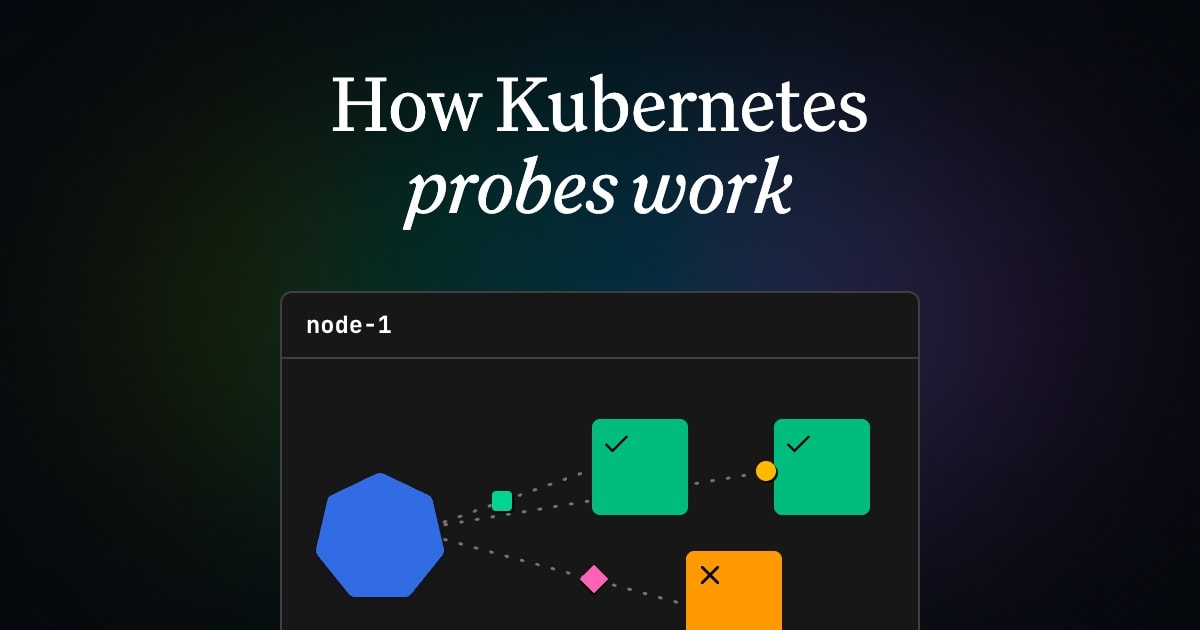
This article explores the technical mechanics of Kubernetes probes and their role in application resilience. It utilizes a browser-based TypeScript simulation, 'webernetes,' to demonstrate how proper configuration prevents common deployment failures.
Understanding Kubernetes Probes: Building Resilient Systems
Kubernetes probes serve as the fundamental heartbeat of container orchestration, acting as the primary mechanism for the control plane to monitor the health and readiness of applications. By utilizing Liveness, Readiness, and Startup probes, developers can ensure that the system only directs traffic to healthy pods and automatically remediates those that have entered a failed state. The provided context highlights that mastering these probes is essential to avoiding critical infrastructure failures, such as prolonged restart loops or request loss during rolling updates.
The Role of Probes in Preventing Infrastructure Failure
One of the most persistent challenges in distributed systems is the 'restart loop'—a scenario where an application crashes, restarts, and immediately crashes again due to misconfiguration or dependency issues. When probes are poorly defined, Kubernetes may inadvertently exacerbate these issues by killing pods that are merely slow to start or by failing to kill pods that are permanently hung. By properly configuring these probes, engineers move from reactive troubleshooting to proactive system management, ensuring that resources are only consumed by functional units.
Innovation in Simulation: The Webernetes Approach
To bridge the gap between abstract documentation and practical implementation, the use of interactive simulations like 'webernetes' represents a significant shift in technical education. By porting over 100,000 lines of Kubernetes Go code into a TypeScript-based browser environment, this approach allows developers to visualize how the Kubernetes control plane interacts with pod lifecycles in real-time. This level of verification—ensuring that simulated behavior matches real-world environments like k3s—provides a sandbox that is both safe and highly educational.
Mitigating Risks During Deployment Rollouts
Dropping requests during rollouts is a common operational pain point that directly impacts user experience. Readiness probes are specifically designed to solve this by signaling to the load balancer that a pod is prepared to handle traffic only after it has successfully finished initialization. When developers fail to implement these correctly, traffic is often routed to 'cold' containers, leading to latency spikes and 5xx errors. The analysis of these probes demonstrates that the transition from a 'ready' state to 'active' traffic is the most critical juncture in the CI/CD pipeline.
The Future of Cluster Management
As organizations continue to scale their containerized workloads, the reliance on automated health checks will only increase. We are moving toward a future where observability and self-healing are not just features, but requirements for enterprise-grade deployments. By leveraging tools that simulate cluster logic, developers can gain a deeper understanding of how their configuration files translate into actual cluster behavior, ultimately leading to more robust, fault-tolerant, and resilient cloud-native architectures.