Humanoid robots' 'ChatGPT moment' could be 10 years away, Unitree founder says
Source Entity
US Top News and Analysis
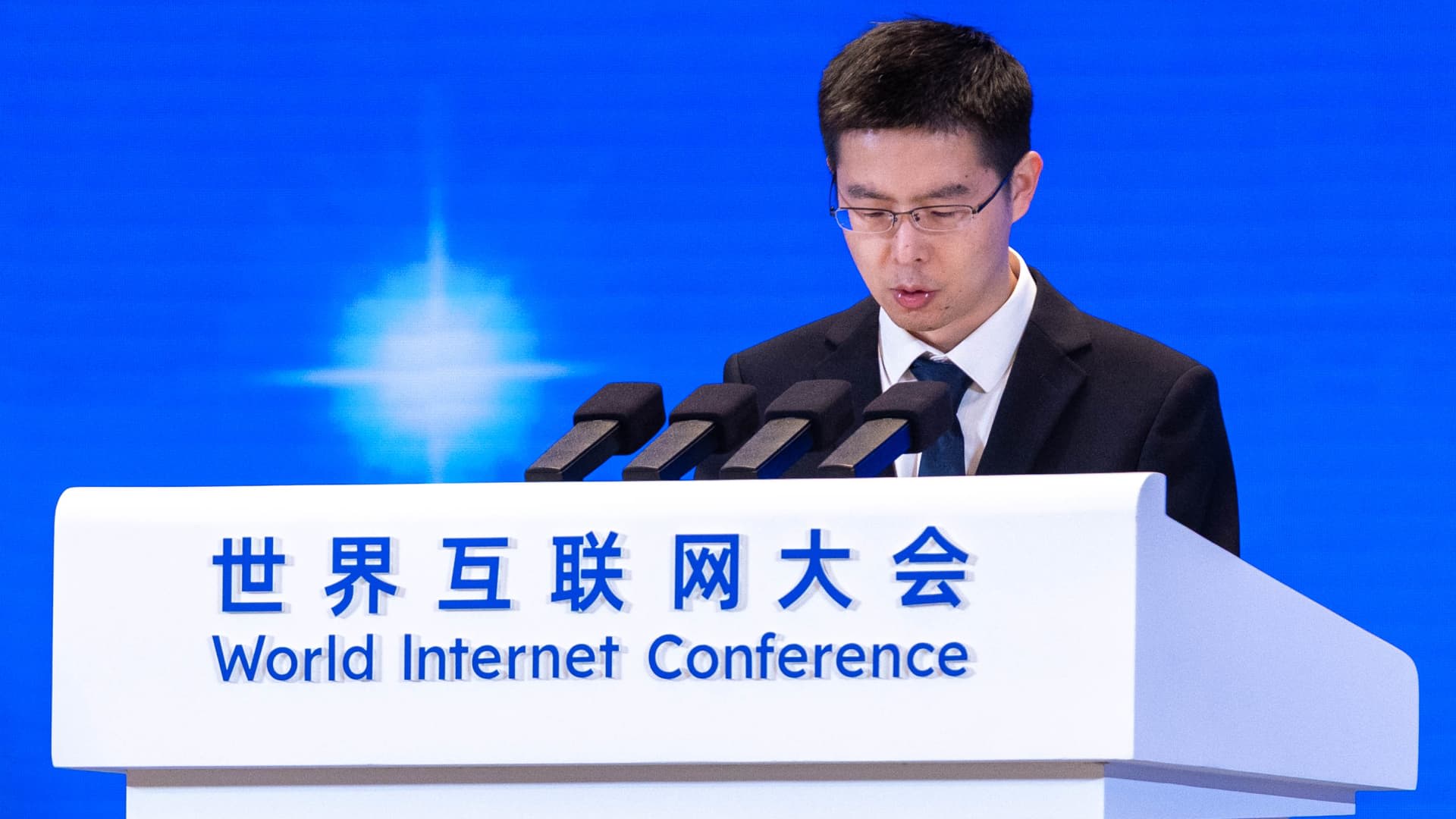
Unitree founder Wang Xingxing suggests a 'ChatGPT moment' for humanoid robots is still a decade away despite rapid market growth. While China's robotics industry is showcasing impressive demonstrations, the focus is shifting toward moving from novelty displays to genuine industrial utility.
The Future of Robotics: Beyond the Hype
At the recent World Robot Conference in Beijing, the robotics industry faced a moment of reflection regarding its trajectory. While the sector is currently experiencing a surge of investor enthusiasm—evidenced by the dramatic 460% market debut of Unitree Robotics—the reality of the technology remains grounded. Wang Xingxing, founder of Unitree, has publicly stated that a true 'ChatGPT moment' for humanoids remains approximately ten years away, suggesting that the industry is still in a formative stage compared to the rapid evolution of generative AI.
The Gap Between Demonstration and Utility
Public exhibitions, such as a humanoid robot sparring with a human, serve as effective marketing tools to highlight China's rapid advancements in hardware and kinetics. However, there is a recognized friction between these crowd-pleasing displays and the actual commercial viability of the machines. As noted by industry observers, while robots are currently being shown performing tasks like sorting parcels or packing electronics, their real-world capabilities are still limited. The transition from controlled environments to unpredictable, real-world utility is the primary hurdle currently facing manufacturers.
Economic Ambitions and Strategic Growth
The Chinese government is heavily invested in the robotics sector, viewing it as a critical engine for future economic growth and a key pillar in international technological competition. With over 300 companies participating in the World Robot Conference and thousands of exhibits on display, the sheer scale of the event underscores the national commitment to leading the humanoid revolution. The goal is to move beyond the novelty of robotic boxing and into the realm of labor-intensive industrial and household applications.
Scaling the 'ChatGPT Moment'
Wang Xingxing’s comparison to ChatGPT is particularly poignant. ChatGPT represented a inflection point where technology moved from research to ubiquitous, high-utility application. For humanoids to reach this stage, they must overcome significant challenges in autonomous navigation, decision-making, and dexterity that current models, while impressive, cannot yet consistently master. The next decade will likely be defined by a shift from hardware-centric showcases to software and AI-integration breakthroughs that allow robots to navigate the complexity of human environments.
Conclusion and Future Outlook
The current state of the industry is a paradox of high market valuation and nascent utility. While companies like Unitree are seeing massive financial interest, the industry remains in a 'prove it' phase. The coming years will be critical as the sector attempts to convert the massive influx of capital into tangible productivity gains. If China’s strategy of leveraging these robots for industrial growth succeeds, it will not be because of the flashiness of a boxing robot, but because of the incremental, quiet progress in making these machines genuinely useful in the workforce.
Multiple Citing Sources