Hyderabad bomb threat email sender used Europe-based VPN, temporary email account
Source Entity
India Latest News: Top National Headlines Today & Breaking News | The Hindu
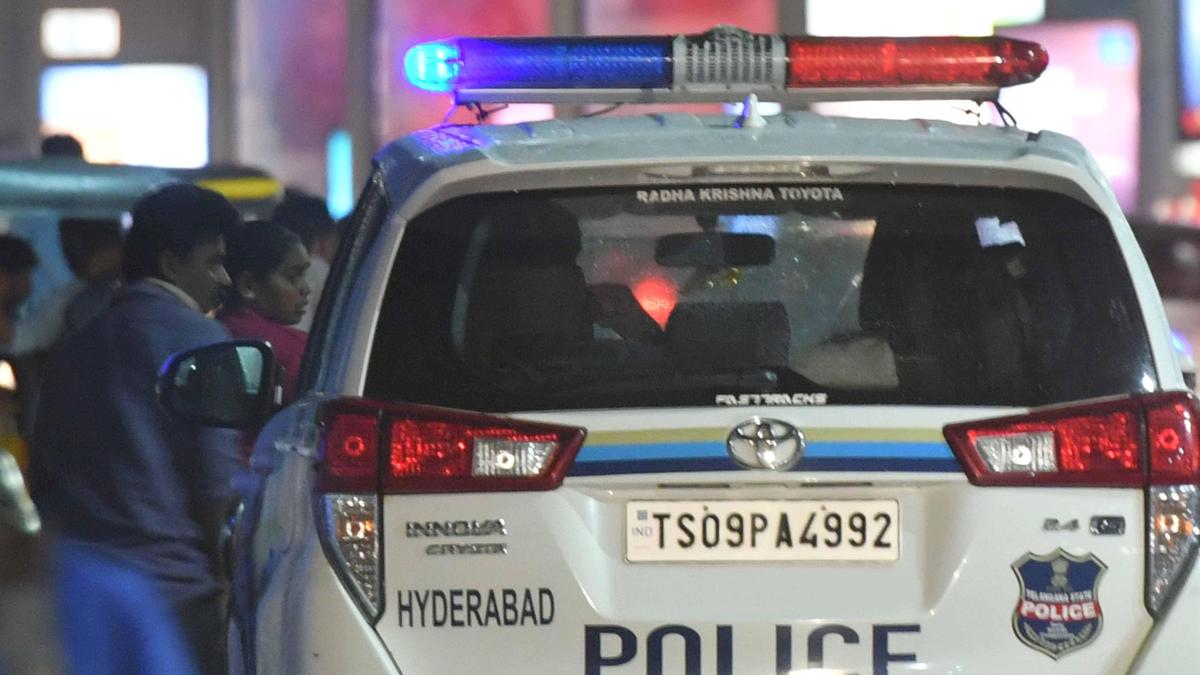
Hyderabad police are investigating a sophisticated bomb threat targeting key city landmarks, sent via a VPN-masked email. The threat, citing retaliation for the death of a militant, has triggered intensified security protocols across the region.
Investigation into Hyderabad Bomb Threat
The Incident Overview
On Saturday, November 21, 2026, the Hyderabad Police received a chilling email containing a bomb threat that specifically identified Kacheguda Railway Station and Hotel Tourist Plaza as targets. The communication, which claimed an intent to carry out 26/11-style attacks, warned of a mass-casualty event, stating an intent to kill at least 300 individuals. This development has forced local authorities to rapidly escalate security measures at the mentioned locations to ensure public safety.
Digital Forensics and Obstacles
The investigation is currently being managed by cybercrime specialists who are navigating significant technical hurdles. The perpetrator utilized a Europe-based Virtual Private Network (VPN) combined with a temporary email account to mask their digital footprint. By routing traffic through foreign servers, the sender has effectively obfuscated their true location, turning what might have been a straightforward tracing operation into a complex international digital forensics challenge.
Motivations and Context
The threat explicitly cited the killing of Lashkar-e-Taiba operative Lateef Bhat in Jammu and Kashmir as the primary motive for the planned violence. By framing the threat as an act of retaliation, the sender is attempting to link the local security situation in Hyderabad to broader geopolitical and counter-terrorism operations occurring in the northern regions of India. This tactic is designed to create public panic and test the responsiveness of state intelligence agencies.
Security Implications
The specific mention of a '26/11-style' attack is a psychological trigger intended to evoke memories of the 2008 Mumbai attacks. By naming high-traffic transit hubs like the Kacheguda Railway Station, the sender aims to disrupt essential urban infrastructure. Consequently, the Hyderabad Police have been forced to divert substantial resources to conduct sanitization operations and increase surveillance at the named sites, demonstrating the high cost of such digital threats on public resources.
Future Trends in Cyber-Terrorism
This incident highlights a growing trend where non-state actors utilize advanced anonymization tools—such as offshore VPNs—to project threats from a distance. As investigators continue to analyze the metadata and digital trails left by the email, the case serves as a reminder of the evolving nature of urban security. Future policing strategies will likely require even tighter integration between local cybercrime units and international data providers to bypass the technical layers used by such perpetrators.
Verification Required?