‘Ugly move’: IIT Bombay begins replacing ceiling fan rods two months after student suicide
Source Entity
Pallavi Smart
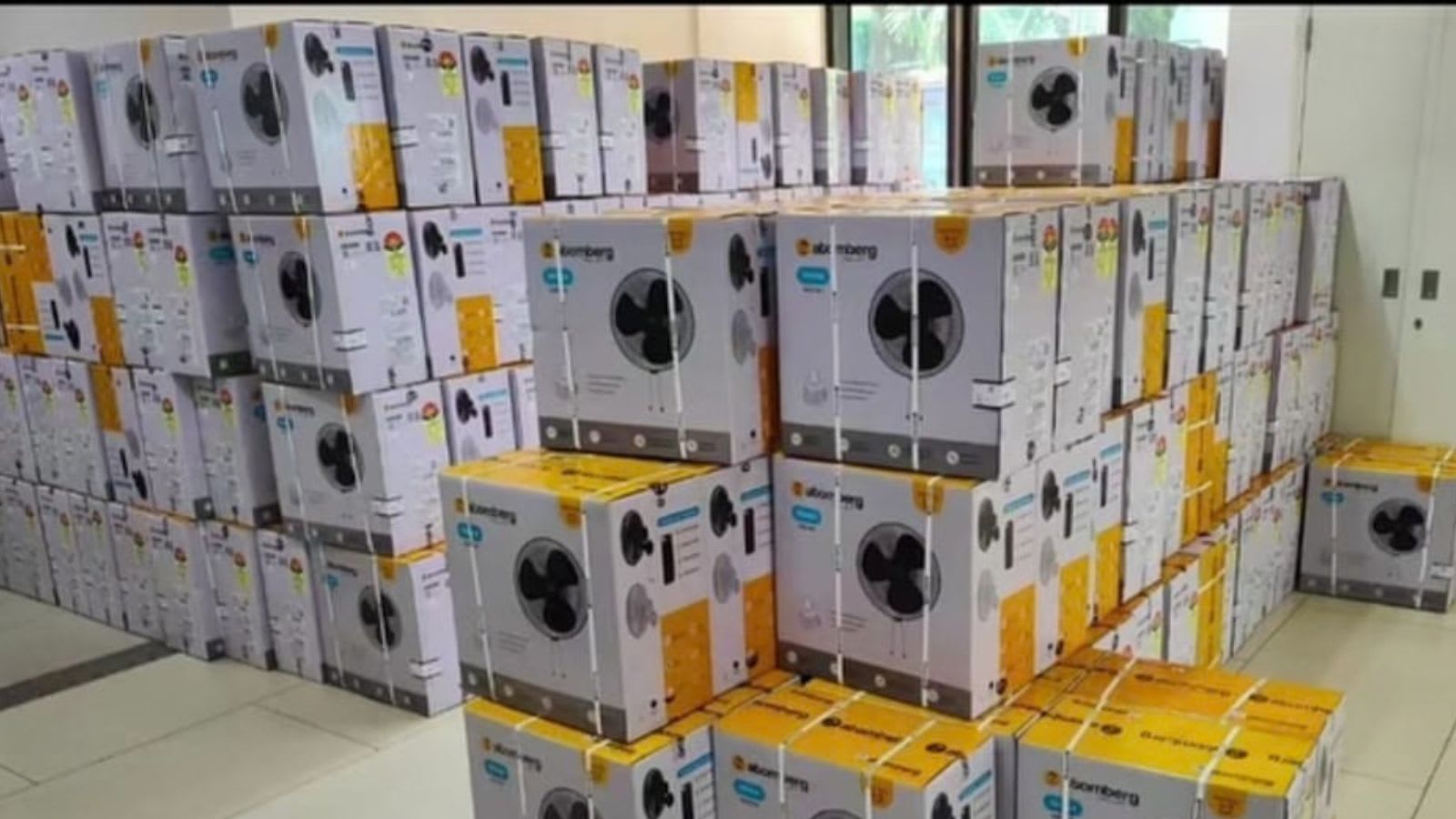
IIT Bombay has begun replacing ceiling fan rods in Hostel 4 following the suicide of student Sahil Wakode. Students have criticized the move, arguing that superficial infrastructural changes fail to address the root causes of the campus mental health crisis.
Addressing the Tragedy at IIT Bombay
Two months following the tragic death of Sahil Wakode, an IIT Bombay student who died by suicide in his Hostel 4 room, the administration has initiated the replacement of ceiling fan rods. This action comes after an incident where Wakode was allegedly found using a mobile phone in an examination hall, an event that preceded his death on September 18. The move is part of a broader, controversial initiative by the institute to phase out traditional ceiling fans in favor of alternative cooling solutions, a decision that has sparked significant debate across the campus community.
The Limitations of Infrastructural Intervention
The decision to modify hostel infrastructure, while technically intended to mitigate risk, has been met with skepticism by the student body. Protesters who mobilized following Wakode’s death have expressed that replacing fan rods is a superficial response to a much deeper, systemic issue. By focusing on the physical environment, critics argue that the administration is prioritizing cosmetic safety measures over the complex psychological and academic pressures that contribute to student distress.
Mental Health vs. Campus Policy
The suicide of Sahil Wakode has reignited a long-standing discourse regarding the high-pressure environment of India's premier technical institutes. For many students, the incident is not an isolated event but a symptom of an academic culture that often lacks sufficient mental health support systems. The fact that the student was under scrutiny for a minor infraction—alleged mobile phone use in an exam hall—highlights the potential intensity of disciplinary measures and their impact on a student’s mental well-being during high-stakes evaluations.
The Student Perspective and Protests
Following the tragedy on September 18, both the student body and Wakode’s parents engaged in protests to demand accountability and meaningful reform. The swift decision by the administration to announce the fan replacement policy on September 23 was seen by many as a reactive measure. Students have consistently questioned whether these physical changes offer any genuine protection against the emotional and academic burnout that often leads to such extreme outcomes.
Broader Implications for Higher Education
This incident at IIT Bombay serves as a critical case study for higher education institutions across India regarding the management of student welfare. As these institutes continue to face scrutiny, the balance between academic rigor and psychological support remains a focal point for reform. The discourse surrounding the fan rods underscores a growing demand for holistic mental health policies, including better counseling services, inclusive academic environments, and a re-evaluation of disciplinary protocols that may inadvertently exacerbate student anxiety.
Conclusion: Beyond the Surface
While the removal of ceiling fan rods may be intended to prevent future tragedies, the consensus among the student community remains clear: infrastructure alone cannot solve a crisis of mental health. For IIT Bombay and similar institutions, the path forward requires a transition from reactive measures to proactive, systemic support. Until the core stressors—ranging from exam-related anxiety to the pressures of an elite academic environment—are addressed, superficial changes are unlikely to appease those calling for a safer, more supportive campus culture.