Hyderabad school at centre of row over ‘read Kalma’ as homework
Source Entity
Sreenivas Janyala
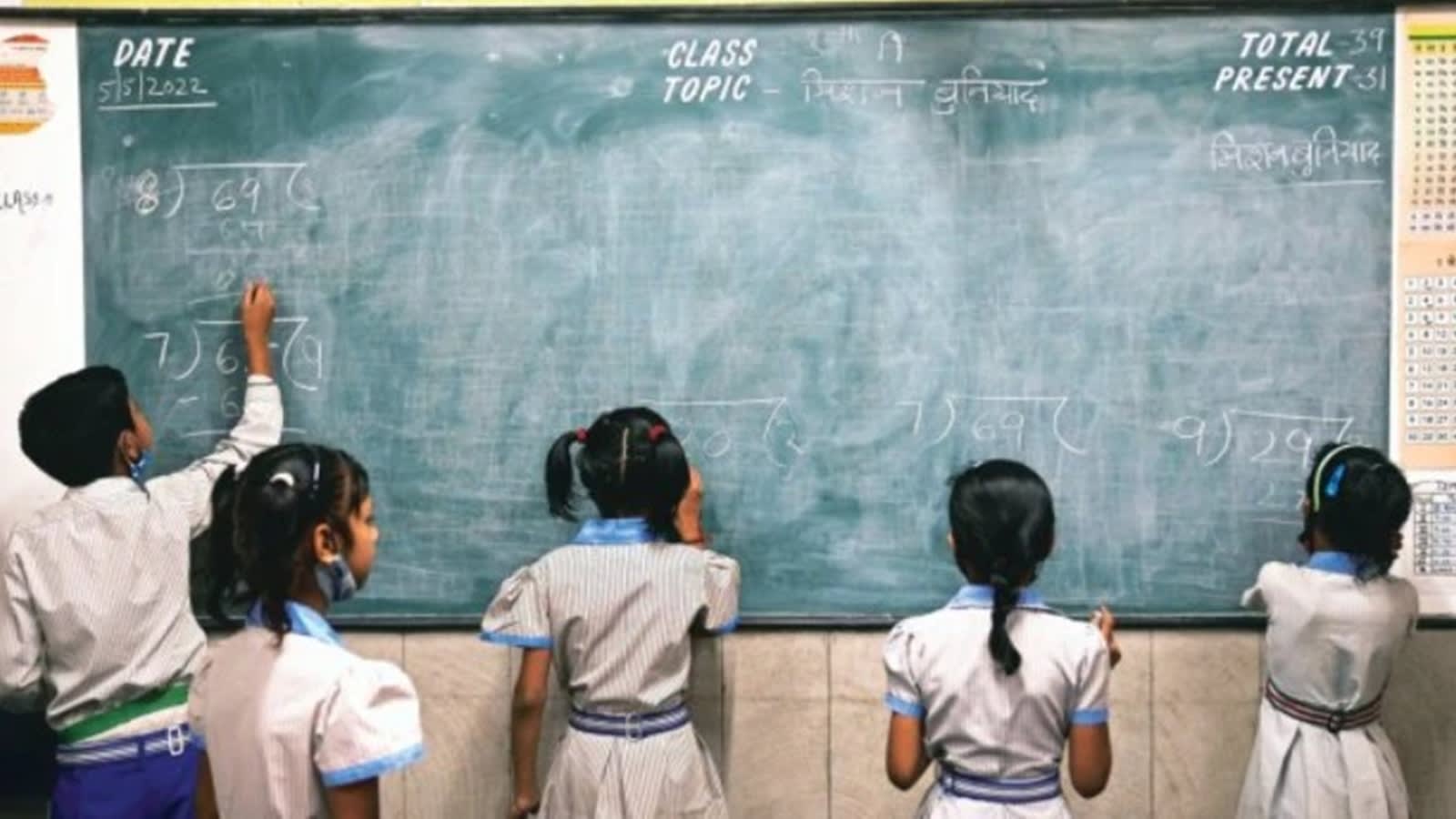
A school in the Saidabad area of Hyderabad is facing controversy after assigning the recitation of the 'Kalma' as homework. While the school maintains the assignment was limited to students who opted for a specific course on Islamic teachings, the move has sparked a broader debate over religious instruction in educational institutions.
Controversy Over Religious Assignments in Hyderabad School
In a recent development that has sparked significant debate in Telangana, a school located in the Saidabad area of Hyderabad has found itself at the center of a heated row. The controversy erupted after it was revealed that the institution had assigned the recitation of the 'Kalma'—a fundamental declaration of faith in Islam—as part of the students' homework. This incident has raised critical questions regarding the boundaries between academic instruction and religious practice within the school environment, highlighting the delicate balance institutions must maintain in a pluralistic society.
The School's Defense and the 'Optional' Framework
The school administration has attempted to mitigate the backlash by clarifying that the homework was not mandatory for the entire student body. According to their statement, the assignment was specifically targeted toward Muslim students who had voluntarily opted for a subject focused on Islamic teachings. By framing the requirement as part of an elective curriculum, the school argues that it is merely facilitating the religious education requested by a subset of its students and their parents. However, this defense has not entirely quelled the criticism, as opponents argue that the integration of religious rites into 'homework' can blur the line between optional learning and institutional pressure.
Legal and Educational Implications
From a broader educational perspective, this incident touches upon the complex legal landscape of religious instruction in Indian schools. Under the Indian constitutional framework and the Right to Education (RTE) Act, the state maintains a secular stance, though private and minority-run institutions often have more leeway in providing religious instruction. The tension in the Saidabad case arises from whether the 'opt-in' nature of the subject is sufficiently transparent and whether assigning religious acts as homework constitutes an overreach of the school's pedagogical authority. This case serves as a reminder of the potential friction that occurs when private educational mandates intersect with public expectations of secularism.
Socio-Cultural Context of Hyderabad
Hyderabad, known for its rich, syncretic culture and diverse demographic composition, is often a microcosm of India's broader social dynamics. In such an environment, any perceived imposition of religious activity within a formal educational setting can quickly escalate into a larger communal or political discussion. The reaction to the 'Kalma' homework assignment reflects a heightened sensitivity toward religious identity in public spaces. The row underscores the necessity for schools in urban centers to implement clear, documented policies regarding religious electives to avoid misunderstandings that could lead to social polarization.
Potential Long-Term Trends in School Governance
Looking forward, it is likely that this incident will prompt local education authorities to issue stricter guidelines regarding the administration of religious subjects in recognized schools. We may see a trend toward more formalized 'Consent Forms' and a clearer separation between core academic homework and optional religious studies. As parents become more vigilant about the content of their children's curriculum, schools will be forced to adopt greater transparency in how elective religious courses are marketed, taught, and assessed to prevent similar controversies in the future.
Conclusion
The row in Saidabad is more than a simple disagreement over a homework assignment; it is a reflection of the ongoing negotiation between faith, education, and secularism in India. While the school maintains that the assignment was a result of student choice, the ensuing controversy highlights the need for a standardized approach to religious electives. Ensuring that such instructions remain truly optional and transparent is essential to maintaining harmony within the educational ecosystem and respecting the diverse beliefs of all students.