ICC CEO says era of ‘randomly scheduled bilateral’ has to end
Source Entity
The Indian Express
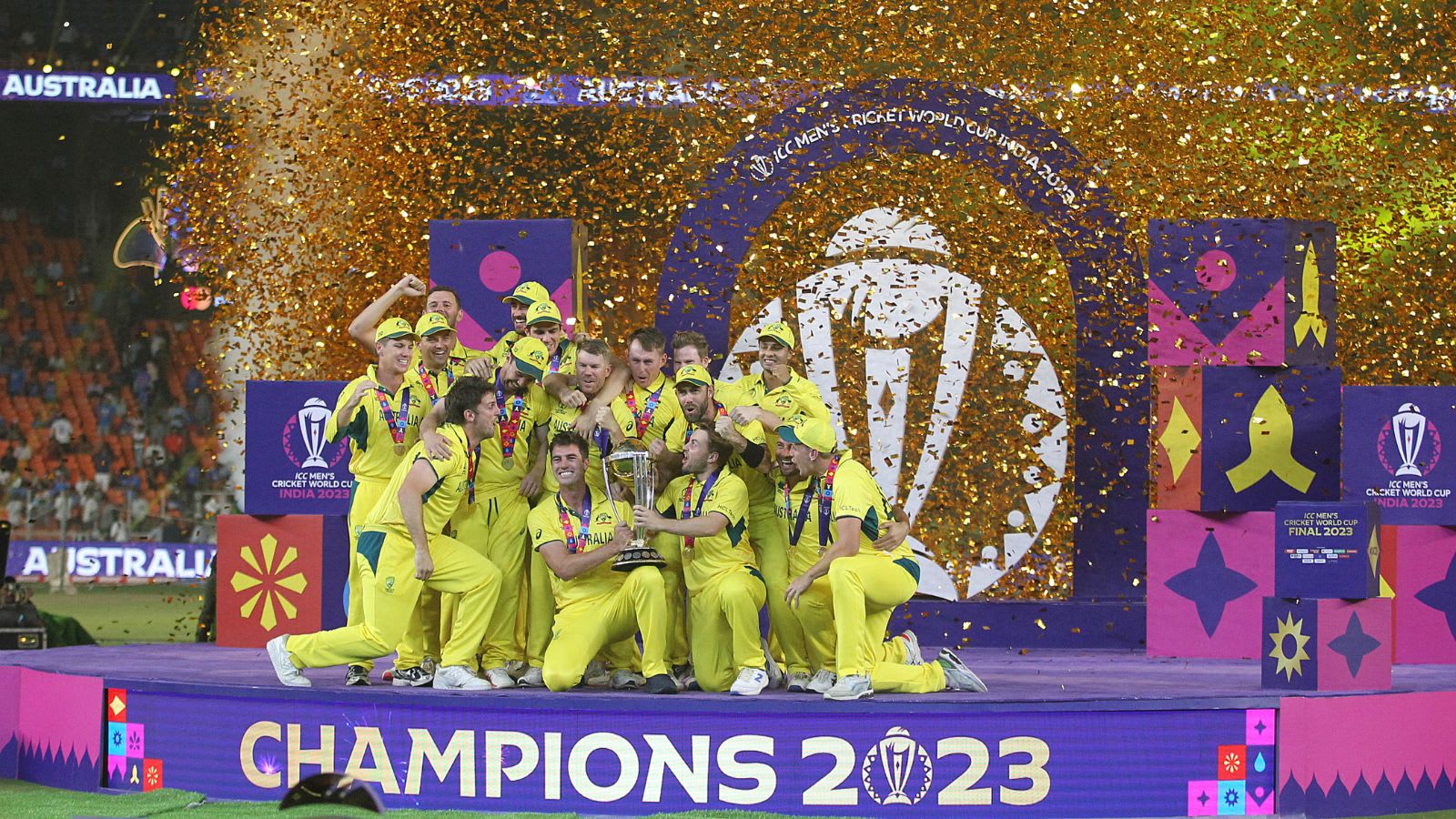
ICC CEO Sanjoy Gupta has warned that randomly scheduled bilateral cricket series are no longer sustainable. The rise of franchise leagues has placed the future of ODIs in jeopardy, necessitating a shift toward more meaningful, context-driven competition.
The Existential Crossroads of International Cricket
International cricket is currently navigating a period of profound structural transformation. The proliferation of domestic franchise leagues has fundamentally altered the landscape of the sport, shifting the balance of power away from traditional bilateral tours. As these leagues capture increasing fan attention and revenue, the traditional model of international cricket, particularly the three-match One Day International (ODI) series, faces what many experts describe as an existential threat.
The Decline of Bilateral Relevance
The core issue identified by ICC CEO Sanjoy Gupta is a lack of context. Historically, bilateral cricket relied on the prestige of national representation to drive engagement. However, in an era of constant cricket content, fans and players alike are increasingly questioning the utility of series that lack significant stakes. Without a clear narrative or qualifying relevance, these matches often fail to generate the energy required to sustain interest in a crowded global market.
Gupta’s Call for Strategic Investment
Sanjoy Gupta’s recent comments underscore a critical realization: the status quo is unsustainable. By stating that the era of "randomly scheduled" series must end, he is advocating for a more disciplined, high-stakes calendar. This transition requires more than just scheduling changes; it demands a significant investment of both financial and non-financial resources to build the "culture and competitiveness" necessary to justify the existence of international fixtures alongside the franchise juggernauts.
The Future of the ODI Format
The future of the ODI format is particularly precarious. Once the bedrock of the international calendar, the 50-over game is now being squeezed between the rapid, high-impact nature of T20 franchise leagues and the traditional prestige of Test cricket. If these bilateral series remain devoid of context, they risk becoming obsolete in the eyes of broadcasters and fans, potentially leading to a permanent reduction in their frequency.
Implications for Global Cricket Governance
The ICC faces a complex challenge: balancing the commercial success of franchise leagues with the need to maintain the health of international cricket. The path forward likely involves a more structured approach to scheduling where every bilateral match contributes to a larger tournament or points-based cycle. This would move the sport away from random, isolated series toward a cohesive ecosystem where international matches possess inherent, measurable value.
Conclusion: Adapting or Fading
Ultimately, the sport is at a tipping point. The sustainability of international cricket depends on its ability to offer a unique value proposition that franchise cricket cannot replicate. By prioritizing competitiveness and narrative-driven scheduling, stakeholders hope to ensure that international fixtures remain a premier destination for players and fans, rather than a secondary afterthought in a league-dominated global landscape.