ICMR study identifies well water as major risk factor for amoebic meningoencephalitis in Keralam
Source Entity
India Latest News: Top National Headlines Today & Breaking News | The Hindu
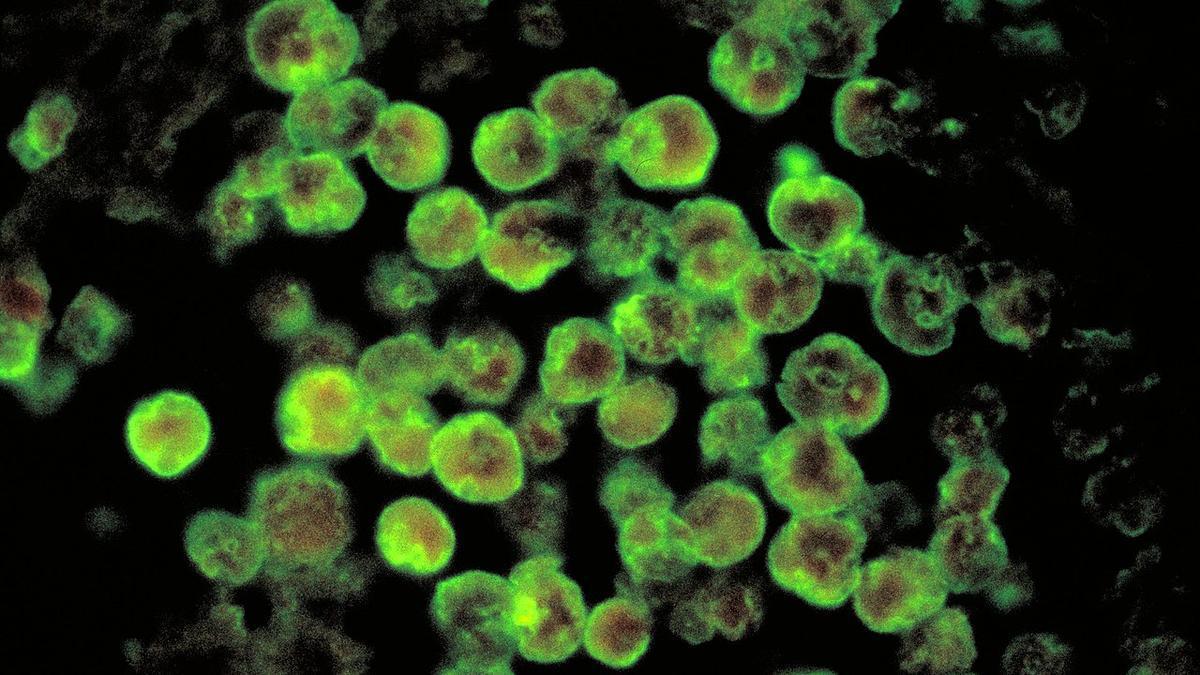
An ICMR study in Kerala has identified non-chlorinated well water as a primary risk factor for amoebic meningoencephalitis. This landmark research provides the first epidemiological evidence linking domestic water use to the rare but fatal infection.
Investigating the Environmental Drivers of Amoebic Meningoencephalitis in Kerala
A landmark case-control study conducted by the Keralam Health Department in collaboration with the ICMR’s National Institute of Epidemiology has shed critical light on the transmission dynamics of primary amoebic meningoencephalitis (AME). By focusing on the epidemiological landscape of cases reported in 2025, researchers have successfully identified a clear correlation between the disease and the use of non-chlorinated water sources, specifically well water, for bathing and domestic purposes.
The Role of Well Water as a Public Health Vector
For a significant portion of Kerala’s population, private well water remains the primary source for daily hygiene and domestic needs. Unlike municipal supplies that undergo rigorous treatment and chlorination, these traditional wells are often vulnerable to environmental contamination. The study provides the first formal scientific documentation that these water bodies, when left untreated, can serve as a conduit for the amoebae responsible for AME, shifting the narrative from anecdotal observation to empirical fact.
Epidemiological Evidence and Modifiable Risk Factors
The significance of this study lies in its ability to pinpoint 'potentially modifiable exposures.' By identifying that exposure to natural water bodies and non-chlorinated wells is a primary driver of infection, the Keralam Health Department now possesses the data necessary to implement targeted public health interventions. This shift from reactive treatment to proactive risk mitigation is essential in managing a disease that is historically characterized by high mortality rates.
Implications for Water Safety and Public Policy
The findings present a complex challenge for regional policy. While reliance on well water is deeply embedded in the cultural and infrastructural fabric of Kerala, the study highlights a pressing need for improved water quality monitoring. The evidence suggests that even basic interventions, such as the introduction of chlorination or improved filtration, could drastically reduce the incidence of AME, transforming how local communities interact with their natural water resources.
Future Trends in Disease Prevention
Moving forward, this study will likely serve as a blueprint for future epidemiological investigations into waterborne pathogens. By establishing a clear link between domestic habits and infection risk, health authorities can now prioritize educational campaigns aimed at informing the public about the dangers of using untreated water for bathing. This research underscores the necessity of continuous, rigorous scientific surveillance in the face of evolving environmental health threats.
Conclusion
In summary, the joint ICMR-Keralam study marks a pivotal moment in understanding the epidemiology of AME. By confirming that well water serves as a major risk factor, the research provides a clear roadmap for future policy decisions. Addressing these water quality concerns is no longer just an infrastructure issue; it is a vital public health imperative that will directly impact the safety and well-being of the population.
Verification Required?