BlackRock and Baillie Gifford bet big on Icon 3D printed homes
Source Entity
US Top News and Analysis
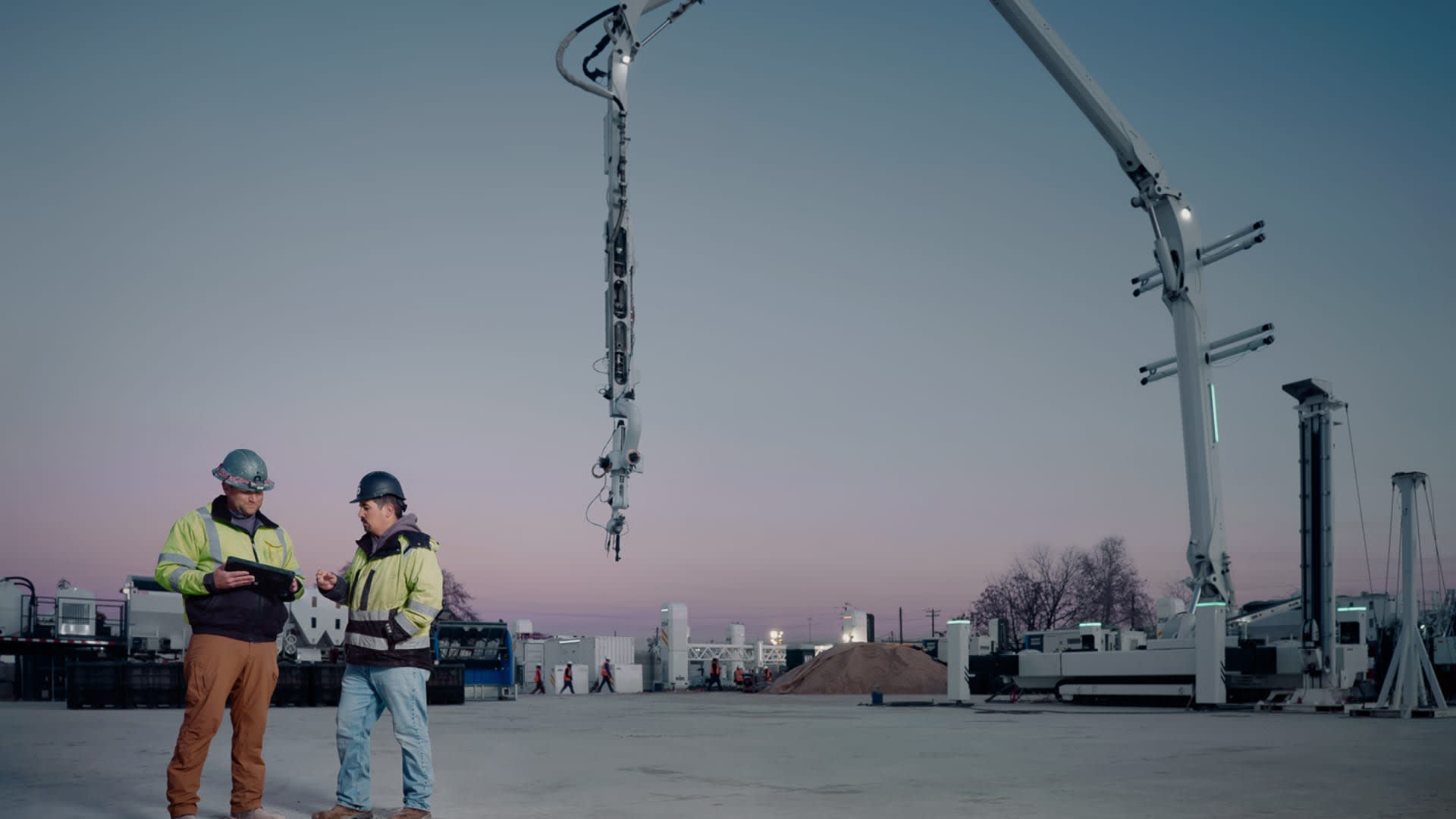
Icon has secured $200 million in Series D funding led by BlackRock and Baillie Gifford to scale its 3D-printed home construction technology. The investment follows the launch of the 'Titan' system, which enables multi-story printing and significant cost and time efficiencies.
The Future of Construction: Icon Secures $200M in Series D Funding
A Strategic Infusion of Capital
Icon, the Austin-based leader in the 3D-printed real estate sector, has successfully closed a $200 million Series D financing round. This significant investment was co-led by institutional heavyweights Baillie Gifford and funds managed by BlackRock. This capital injection marks a pivotal transition for the company, moving it from a specialized startup to a major player capable of scaling its operations within the global construction industry.
Partnering for Scalability
CEO Jason Ballard has emphasized that the selection of investors was deliberate, focusing on partners with deep experience in scaling 'built-world' physical entities. Baillie Gifford’s track record with industry titans like Tesla, SpaceX, and Nvidia provides the operational blueprint for Icon’s growth, while BlackRock’s massive real estate footprint offers the necessary market access to integrate 3D-printing technology into mainstream property development. This combination of financial backing and institutional expertise is designed to bridge the gap between proof-of-concept and mass-market deployment.
The Technological Breakthrough: Titan
The funding arrives shortly after the commercial launch of Icon’s 'Titan' multi-story robotic construction system in March. This represents a critical evolution in the company's capabilities, as previous iterations of their technology were restricted to single-story structures. By enabling vertical expansion, the Titan system opens the door to high-density residential projects, a necessary requirement for addressing the chronic housing shortages currently observed in major urban centers.
Economic and Operational Efficiencies
Beyond the architectural versatility, the Titan system offers compelling economic advantages. According to Icon, the technology reduces the average home construction timeline by six weeks while simultaneously lowering overall costs by 40%. Furthermore, the system addresses the ongoing labor shortage in the construction sector by reducing the total number of workers required on-site. These efficiencies provide a strong value proposition for developers seeking to mitigate the risks of labor volatility and rising material costs.
Broader Implications and Future Trends
The involvement of such significant institutional investors signals a growing confidence in the industrialization of construction. As the industry faces pressure to build faster, cheaper, and more sustainably, robotic additive manufacturing is positioned to disrupt traditional methods. If Icon continues to successfully scale the deployment of the Titan system, we may see a fundamental shift in how residential and commercial properties are developed, potentially making 3D-printed homes a standard component of modern urban planning.
Conclusion
Icon’s Series D round is more than just a financial milestone; it is an endorsement of the feasibility of 3D-printed construction at scale. By aligning with partners like BlackRock and Baillie Gifford, Icon is well-positioned to leverage its technological advancements to address systemic challenges in the housing market, potentially setting a new benchmark for speed and cost-effectiveness in global construction.