IISER Mohali withdraws admission by-laws amid student concerns
Source Entity
The Indian Express
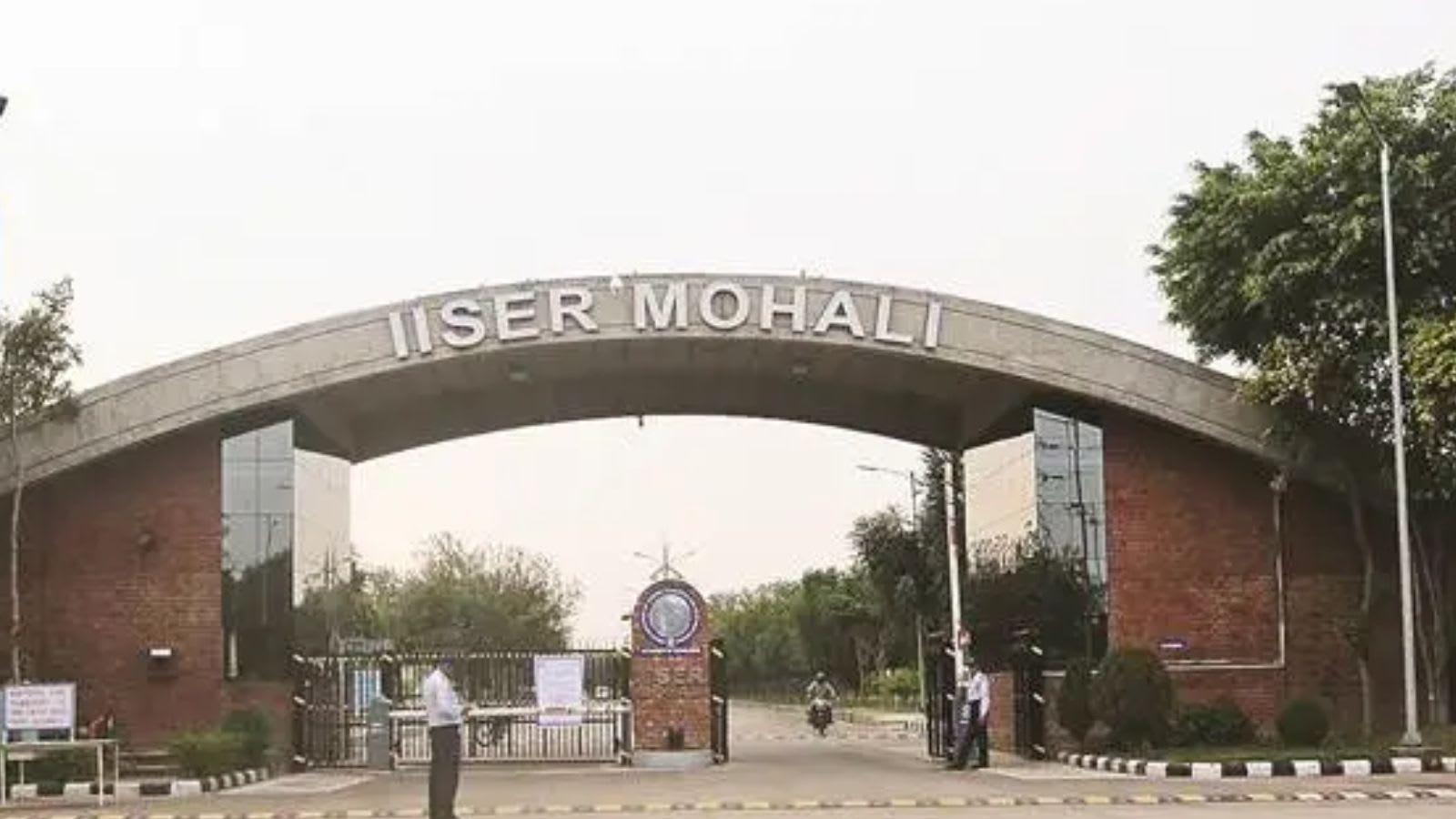
IISER Mohali has retracted controversial admission by-laws that restricted student protests following widespread campus unrest. The decision follows intense scrutiny regarding a fatal lift accident and allegations of unauthorized policy implementation.
Institutional Retreat at IISER Mohali: A Shift in Campus Governance
Following a period of intense agitation and administrative scrutiny, the Indian Institute of Science Education and Research (IISER) Mohali has officially withdrawn its controversial admission by-laws. The decision, communicated by the Dean (Students) Dr. Adrene Freeda Dcruz, serves as a direct response to student pushback regarding an undertaking that prohibited participation in protests or campus agitations. This development marks a significant turning point in the relationship between the institute’s administration and its student body, effectively nullifying any documents previously signed under these contested provisions.
The Catalyst for Unrest
The move to rescind the by-laws was not an isolated administrative adjustment but rather a reaction to mounting campus unrest. Tensions had been simmering due to several critical incidents, most notably a fatal lift accident and the death of a first-year student. These tragic events created an atmosphere of grief and distrust, which intensified when the administration attempted to introduce restrictive conduct policies—allegedly without the necessary Senate approval. The student body viewed the mandatory undertaking as an infringement on their right to voice concerns regarding safety and institutional accountability.
Administrative Accountability and Transparency
The controversy underscores a broader issue regarding the governance of premier educational institutions in India. By attempting to import by-laws modeled after those used by IISER Bhopal, the Mohali administration inadvertently triggered a debate on the necessity of local oversight and consensus-based policy making. The swift withdrawal of the rules, following the report by The Indian Express, highlights the power of transparency and the role of external media scrutiny in holding academic institutions accountable to democratic norms and student rights.
Legal and Procedural Implications
From a legal standpoint, the declaration that "any document signed by students pursuant to these by-laws shall stand cancelled and have no further force or effect" is a critical safeguard for the students. It effectively wipes the slate clean, ensuring that no pupil remains bound by a contract they felt coerced into signing. This move prevents potential future disciplinary actions that could have been weaponized against students for exercising their right to assembly, an essential component of the university experience.
Future Trends in Campus Relations
Looking ahead, this event serves as a cautionary tale for academic administrators across India. The trend toward increased securitization of campuses often clashes with the culture of critical inquiry and student advocacy inherent in higher education. IISER Mohali will now face the challenge of rebuilding trust with the Student Representative Committee (SRC). The future of campus stability will likely depend on the administration’s ability to foster open dialogue rather than seeking to suppress dissent through bureaucratic mandates. As institutions navigate these complexities, the emphasis must shift back to student welfare and safety, rather than restrictive control.