IIT Bombay’s ceiling fan dilemma after student suicide: Wall, pedestal, table, or desk?
Source Entity
Pallavi Smart
IIT Bombay is surveying students on replacing ceiling fans in hostel rooms following a tragic student suicide. This initiative seeks to enhance campus safety and living conditions through alternative cooling configurations.
Addressing Campus Safety: The IIT Bombay Hostel Initiative
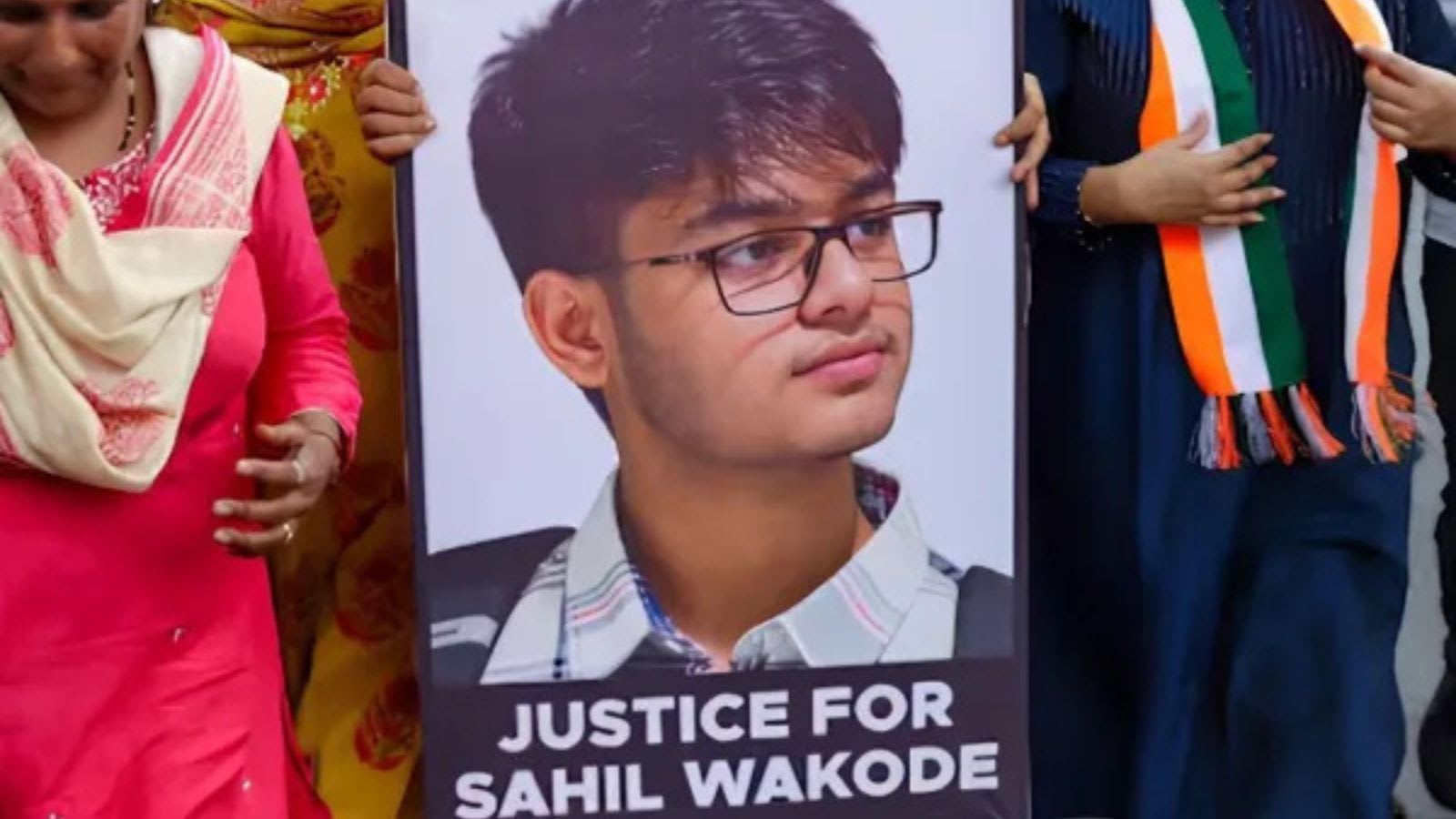
Following the tragic death of a student, Darshan Solanki (referenced in broader discourse) and the more recent passing of a student identified as Wakode on September 18, the Indian Institute of Technology (IIT) Bombay has initiated a critical review of its hostel infrastructure. The administration is currently seeking student feedback regarding the removal or replacement of ceiling-mounted fans, a measure aimed at mitigating risks associated with potential self-harm incidents within living quarters.
The Context of the Survey
The survey, which asks students to consider alternatives such as wall-mounted, pedestal, table/desk, or tower fans, serves as a direct response to the heightened state of concern on campus. Following the incident involving Wakode—who was allegedly found using a mobile phone during an examination before his death—the student body engaged in massive protests. This unrest prompted Director Prof. Shireesh Kedare to conduct an open house, providing a platform for students to voice grievances regarding mental health support, academic pressure, and the physical safety of their living environments.
Infrastructure as a Preventive Measure
The decision to evaluate the physical configuration of hostel rooms highlights a growing trend in educational institutions to address structural vulnerabilities. By surveying students on fan placement and type, the institute is attempting to reconcile the need for effective ventilation in India’s humid climate with the imperative of creating a safer environment. This proactive approach acknowledges that while physical changes are not a panacea for mental health crises, they represent a tangible step in a broader safety strategy.
Institutional Accountability and Student Welfare
The dialogue between the administration and the student body is a pivotal moment for IIT Bombay. The open house sessions and subsequent surveys are essential in rebuilding trust after the protests. By involving students in the decision-making process—allowing them to choose preferences for fan type and quantity—the administration is moving toward a more collaborative governance model that prioritizes student agency alongside safety.
Broader Implications and Future Trends
This initiative by IIT Bombay may set a precedent for other elite residential institutions across India. As academic pressure remains a significant factor in student mental health, the integration of safety-conscious architecture is likely to become a standard requirement. The move suggests that future campus planning will increasingly prioritize "safety-by-design" principles, balancing traditional infrastructure with modern psychological wellness protocols.
Conclusion
Ultimately, the initiative to rethink hostel room cooling systems is a sobering reflection of the current crisis in student welfare. While the survey provides a mechanism for immediate feedback, it underscores the necessity of continuous, systemic improvements in mental health counseling and academic stress management. IIT Bombay’s willingness to re-examine its physical infrastructure demonstrates an evolving commitment to ensuring that the campus environment supports, rather than hinders, the well-being of its students.