IIT Bombay’s new finding could make drug discovery ‘faster, cheaper, more sustainable’
Source Entity
Amitabh Sinha
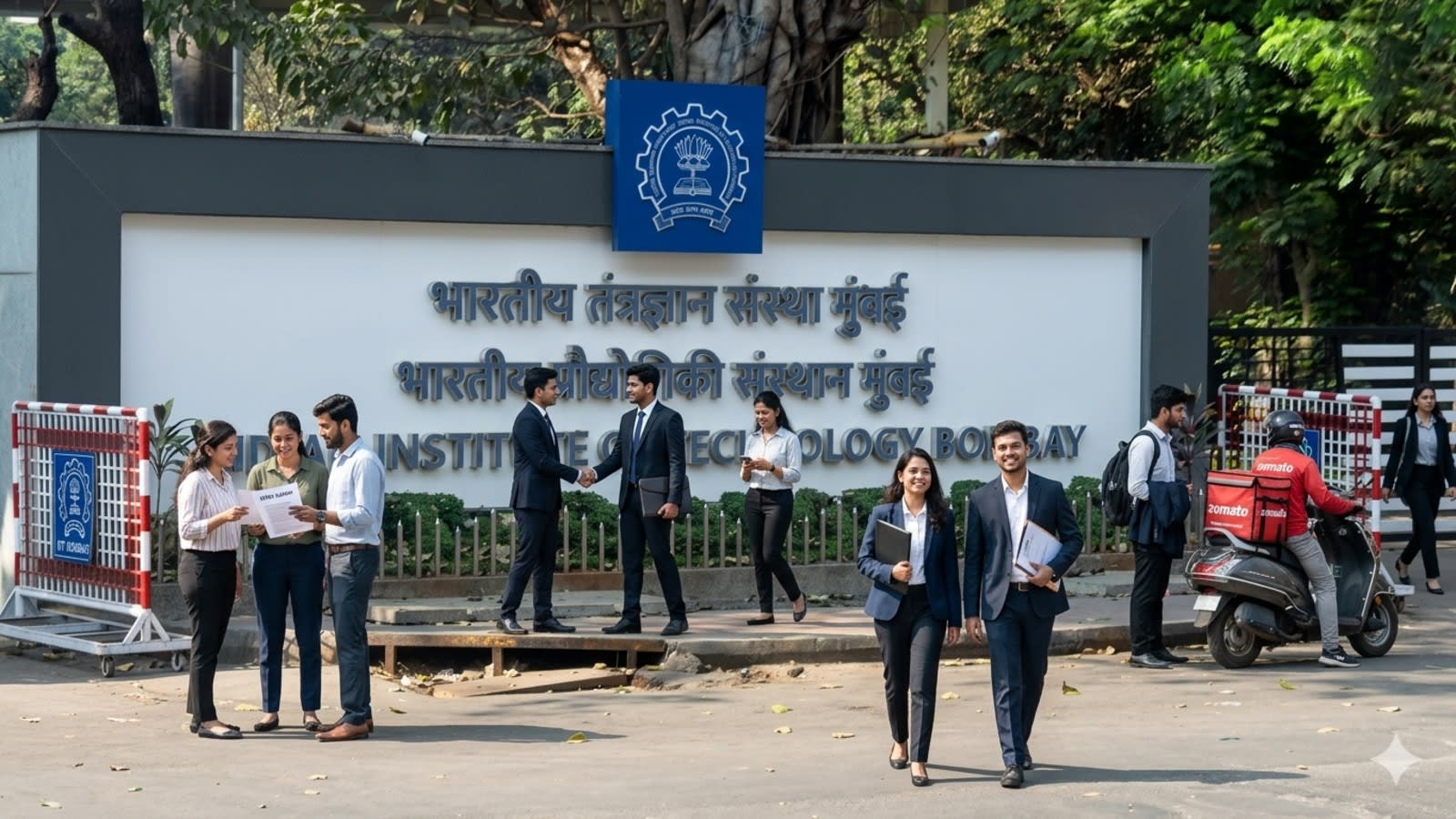
Researchers at IIT Bombay have developed a novel and efficient method to synthesize muricatacin, a potent compound, by converting fatty acids. This breakthrough promises to make drug discovery faster, more cost-effective, and more sustainable by reducing reliance on natural extraction.
Revolutionizing Pharmaceutical Synthesis: IIT Bombay's Breakthrough in Muricatacin Production
In a significant leap for medicinal chemistry, researchers at the Indian Institute of Technology (IIT) Bombay have unveiled a novel method for the synthesis of muricatacin. This compound, typically derived from natural sources, is of high interest in the pharmaceutical world due to its potential therapeutic properties. By successfully synthesizing muricatacin in a laboratory setting through the conversion of fatty acids, the team has addressed one of the most persistent bottlenecks in drug discovery: the scalable and sustainable acquisition of complex natural molecules.
Overcoming the Limitations of Natural Extraction
Historically, the pursuit of drug candidates derived from nature has been hampered by the inefficiency of extraction. Many bioactive compounds, including muricatacin, exist in minute quantities within plants, requiring the processing of vast amounts of biomass to obtain a few milligrams of the pure substance. This process is not only labor-intensive and expensive but also ecologically damaging, as it can lead to the over-harvesting of rare plant species. The IIT Bombay team's ability to utilize fatty acids—which are abundant and readily available—as precursors transforms the production pipeline from a resource-dependent extraction model to a controlled, chemical synthesis model.
Implications for Drug Discovery and Development
The assertion that this finding makes drug discovery "faster, cheaper, and more sustainable" is rooted in the economics of early-stage pharmaceutical research. When a compound can be synthesized efficiently in a lab, researchers can produce larger quantities for rigorous clinical testing without waiting for seasonal harvests or relying on unstable supply chains. Furthermore, laboratory synthesis allows scientists to create "analogs"—slight variations of the original molecule—to optimize its efficacy or reduce side effects, a process that is nearly impossible when relying solely on natural extracts. This acceleration of the lead-optimization phase can significantly reduce the time it takes for a potential drug to move from the bench to the bedside.
Advancing the Principles of Green Chemistry
Beyond the financial and temporal gains, this research aligns with the global shift toward "Green Chemistry." By developing a more efficient pathway using fatty acids, the researchers are likely reducing the use of toxic reagents and minimizing waste compared to traditional multi-step organic synthesis. Sustainability in this context refers to both the biological preservation of plant species and the reduction of the chemical footprint left by the synthesis process. This approach sets a precedent for how other complex natural products can be approached, prioritizing environmental stewardship alongside scientific progress.
The Broader Impact on India's Scientific Landscape
This breakthrough underscores the pivotal role of institutions like IIT Bombay in positioning India as a hub for high-end pharmaceutical innovation. While India has long been known as the "pharmacy of the world" for its excellence in generic drug manufacturing, this research signals a shift toward original drug discovery and sophisticated chemical engineering. By mastering the synthesis of complex molecules like muricatacin, Indian academia is contributing to the global intellectual property landscape and reducing dependence on imported precursor chemicals.
Conclusion and Future Outlook
IIT Bombay's achievement in synthesizing muricatacin represents a critical intersection of chemistry, biology, and sustainability. By decoupling the availability of a therapeutic compound from the constraints of nature, the researchers have opened a door to more agile and eco-friendly drug development. As this methodology is refined and potentially applied to other natural compounds, the pharmaceutical industry may see a paradigm shift where the laboratory becomes the primary source of complex biological molecules, ensuring that life-saving medications are developed with greater speed and less environmental cost.