IIT Bombay to replace ceiling fans with wall-mounted fans after student’s death
Source Entity
India Latest News: Top National Headlines Today & Breaking News | The Hindu
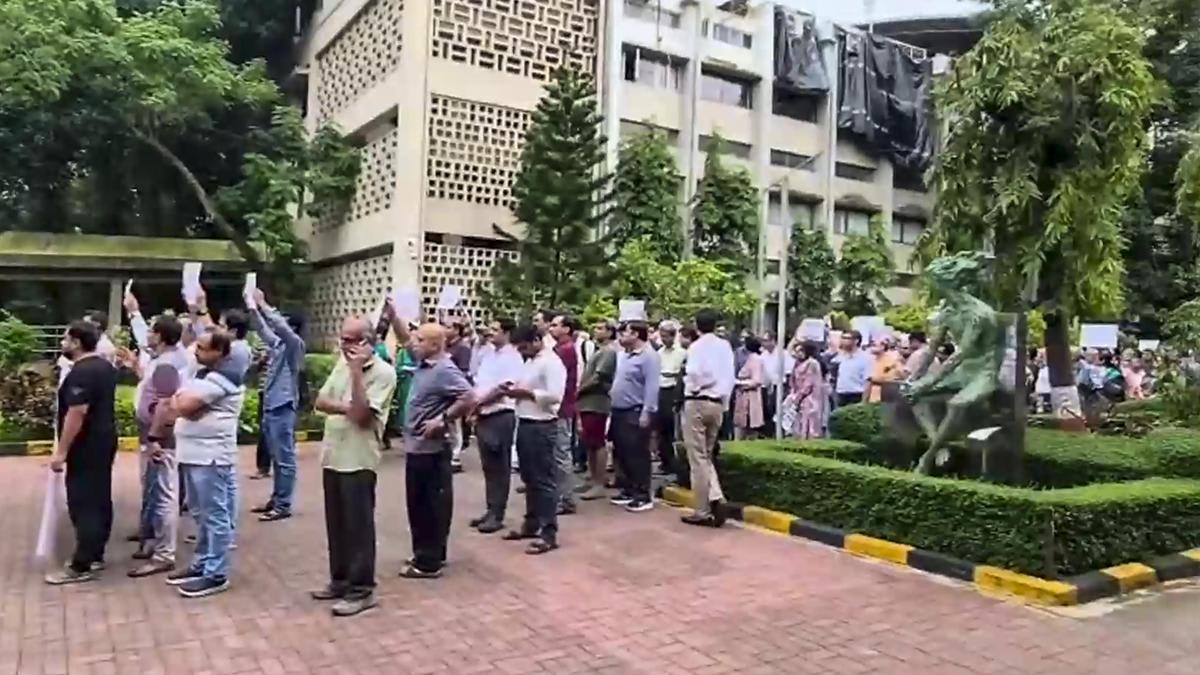
An IIT-Bombay student died by suicide after being caught using AI for an exam, sparking student protests over mental health support. This marks the third such tragedy at the campus within seven months, prompting calls for institutional accountability.
Tragedy at IIT-Bombay: Examining the Intersection of Academic Pressure and Mental Health
The Incident and Immediate Aftermath
On the evening of September 18, 2026, a second-year student from the Department of Energy Science and Engineering at the Indian Institute of Technology (IIT) Bombay was found dead in his hostel room. The tragic event occurred shortly after the student had been caught by invigilators using a mobile phone to upload examination questions to an AI platform. While the institute has confirmed the sequence of events leading to the discovery of the academic integrity violation, the student’s subsequent decision to take his own life has sent shockwaves through the campus community.
Institutional Response and Clarification
In the wake of the tragedy, IIT-Bombay released a statement clarifying that no disciplinary action had been initiated against the student at the time of his passing. The institute noted that the matter was discussed between the instructor and the student, implying that the interaction was intended to be a cautionary or counseling-based intervention rather than a punitive one. Despite these assurances, the student body has remained skeptical, arguing that the psychological impact of being caught, combined with existing academic pressures, may have been underestimated by the administration.
A Pattern of Concern
This incident is particularly distressing as it marks the third student suicide at the IIT-Bombay campus within a seven-month period. This recurring pattern has catalyzed significant unrest among the student population, who gathered in large numbers to protest outside the Powai campus. The collective sentiment among the students is that these tragedies are not isolated incidents but symptoms of a larger, systemic failure to adequately address the mental health and emotional well-being of students navigating the high-stakes environment of premier engineering institutions.
The Role of Technology in Academic Stress
The use of AI tools to circumvent traditional examination assessments highlights a growing tension between rapid technological advancement and academic integrity. While the student's actions were a clear breach of examination policy, the desperation to rely on AI for answers suggests a profound anxiety regarding performance. This incident forces a broader conversation about how institutions handle academic dishonesty in an age where the pressure to excel is amplified by the fear of failure in a hyper-competitive job market.
Calls for Reform and Future Implications
The protests at IIT-Bombay are a direct call for 'action and accountability.' Students are demanding a transparent probe not just into this specific tragedy, but into the institutional culture that may be contributing to the mental health crisis. Future trends in higher education will likely necessitate a shift toward more robust, proactive mental health support systems that go beyond standard counseling to address the root causes of student burnout and the intense fear of academic repercussions.
Conclusion
As the investigation continues, the tragedy at IIT-Bombay serves as a somber reminder of the human cost of academic distress. While the institute maintains that it followed standard procedures, the grief and anger of the student body underscore a deep-seated need for institutional change. Moving forward, the focus must remain on fostering an environment where students feel supported rather than scrutinized, ensuring that academic success is never pursued at the expense of human life.
Multiple Citing Sources
Verification Required?