Two-day anti-narcotics conference: Inside India’s plan to go drug-free by 2047
Source Entity
Latest News: Todays Latest News Headlines from India & World | Hindustan Times | Hindustan Times
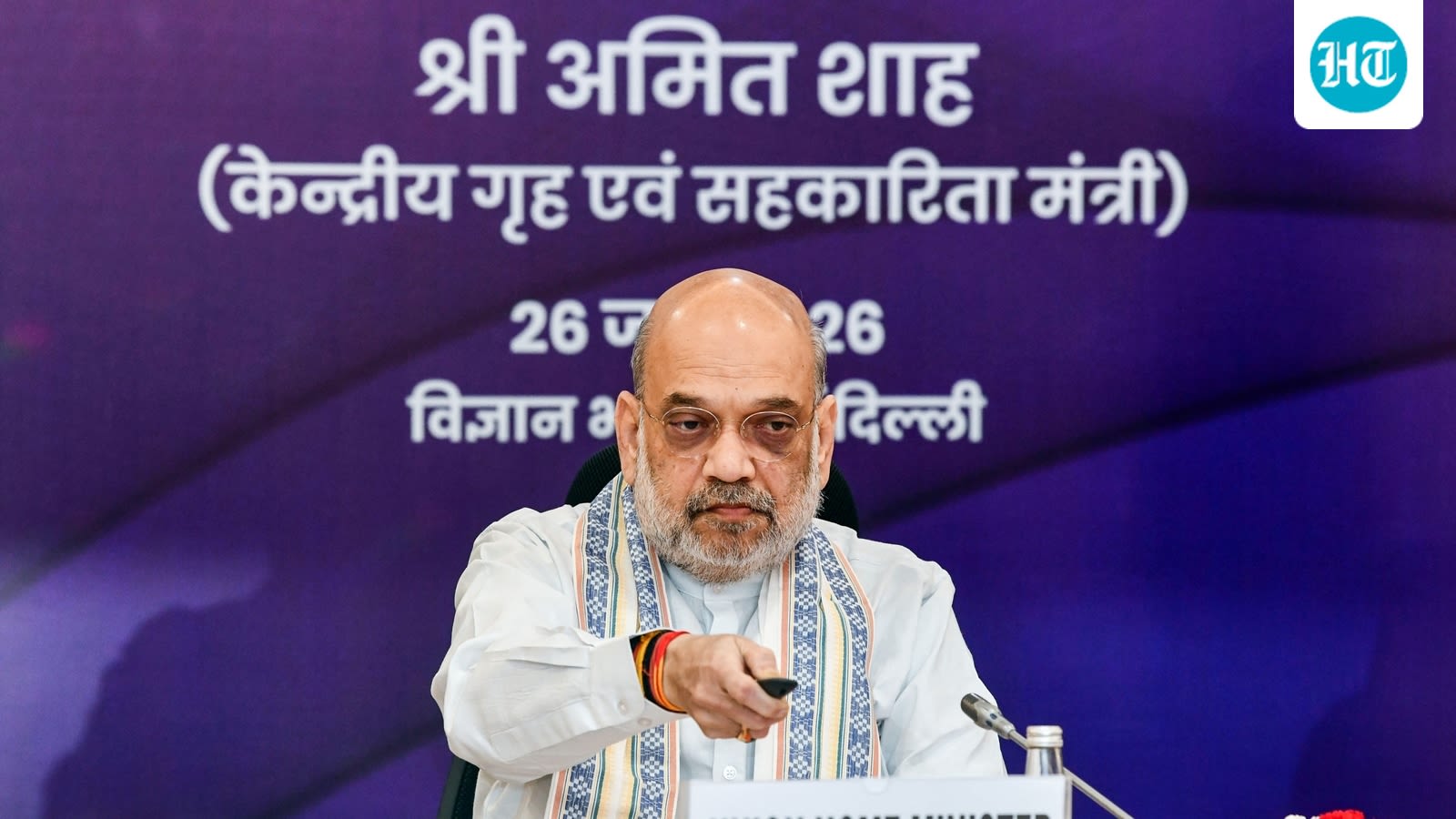
Union Home Minister Amit Shah has set a firm December 31, 2029, deadline to eradicate drug trafficking in India. The initiative, launched at the 3rd National Conference of Anti-Narcotics Task Force heads, focuses on shifting from mere seizures to dismantling entire narcotics networks.
India’s Strategic Offensive Against Narcotics: A New Paradigm
Union Home Minister Amit Shah has officially inaugurated a two-day national conference in New Delhi, marking a significant escalation in India's campaign against drug trafficking. By convening senior anti-narcotics police officers from all states and Union territories, the government is signaling a unified, federal approach to what officials have termed the "most difficult battle" currently facing the nation. The meeting serves as a high-level progress review of the Vision Document 2026-2029, which outlines the specific operational roadmap for the coming years.
Moving from Seizures to Systemic Dismantling
A core component of the government's strategy is a fundamental shift in operational philosophy. Minister Shah emphasized the transition from "meeting to mission" and "reporting to result." Historically, anti-drug efforts were often measured by the volume of narcotics seized; however, the new mandate prioritizes the dismantling of entire trafficking networks and increasing conviction rates. This pivot aims to disrupt the supply chain at its root rather than simply reacting to the transit of illicit substances.
The 2029 Deadline and the Path to 2047
The government has set a concrete deadline of December 31, 2029, to achieve a drug-free India, a target that functions as a critical milestone for the broader 'Viksit Bharat' (Developed India) vision slated for 2047. By setting this five-year window, the administration is forcing a transition from bureaucratic monitoring to measurable impact. The inclusion of the 'Online Drug Disposal Fortnight Campaign' and the establishment of new NCB Zonal offices indicates a focus on modernizing infrastructure to meet these aggressive timeline demands.
Inter-Agency Coordination and Federal Synergy
The 10th Apex-Level Meeting of the Narco-Coordination Centre (NCORD) highlights the necessity of collaboration between the Centre and individual states. Since drug trafficking networks often cross jurisdictional boundaries, the conference serves as a platform to synchronize the efforts of the Anti-Narcotics Task Force (ANTF) heads from 36 states and Union territories. This alignment is essential for creating a cohesive intelligence-sharing network capable of preventing substances from entering the country in the first place.
Long-term Implications for Public Health and Security
Beyond law enforcement, the initiative addresses the intersection of public safety and national security. By framing the drug trade as a significant barrier to national development, the government is elevating the issue to a priority level similar to defense or economic policy. The focus on prevention and rehabilitation, as outlined in the Vision Document, suggests that the state recognizes that long-term success requires a dual-track approach: aggressive enforcement against traffickers paired with robust social support systems to reduce demand.
Future Trends in Narcotics Control
As India moves toward the 2029 deadline, it is likely that we will see increased integration of digital tracking, advanced forensic analysis, and stricter monitoring of financial trails linked to drug cartels. The move toward higher conviction rates will necessitate legal reforms and specialized training for police forces across the country. If successful, this mission-mode approach could serve as a template for other complex internal security challenges, demonstrating how a federal, time-bound strategy can mobilize disparate agencies toward a single, unified national objective.
Verification Required?