He went viral as President Murmu’s protective aide. After quitting, his big reveal
Source Entity
Divya A
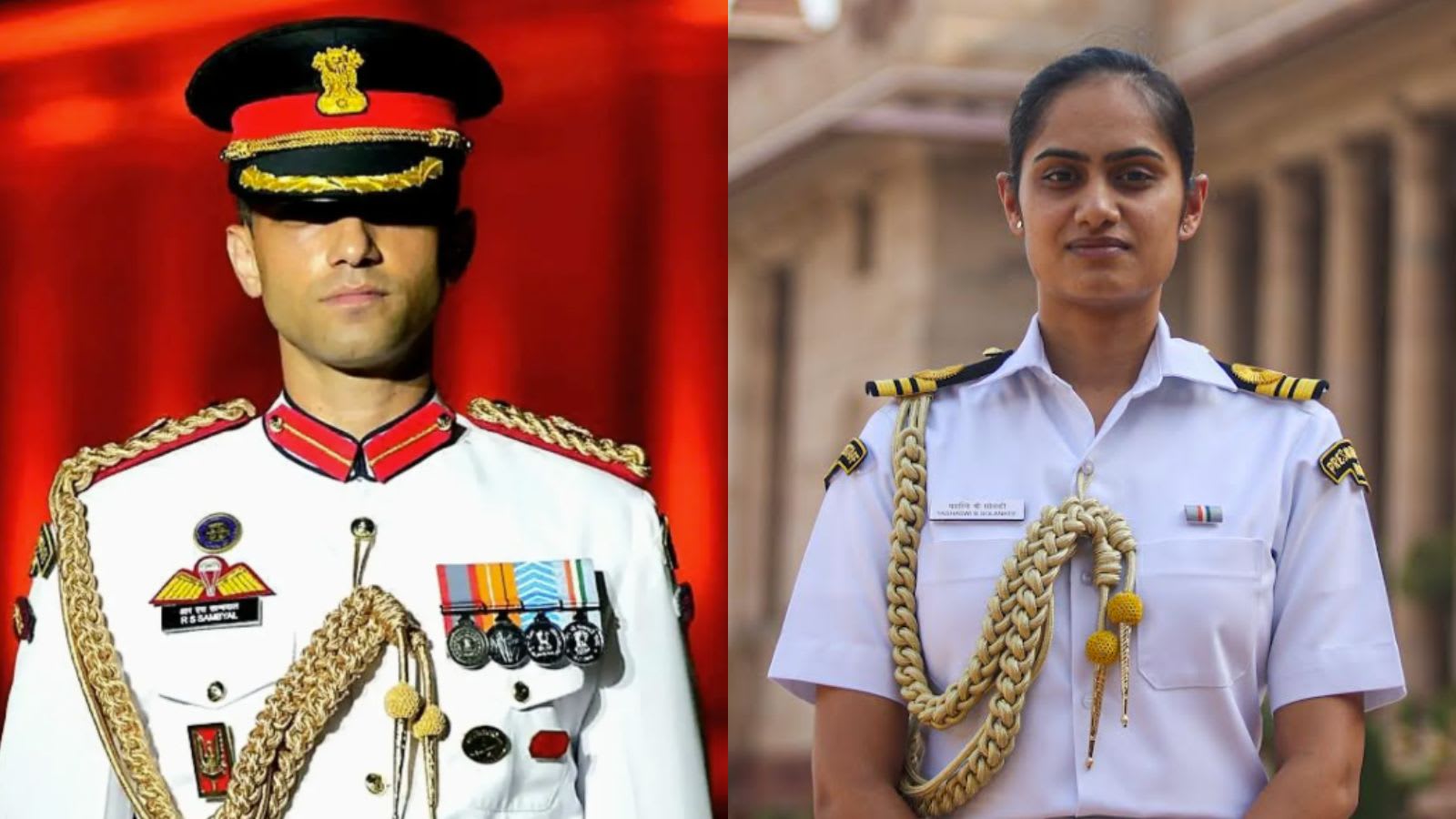
Major Rishabh Singh Sambyal has opened up about the personal sacrifices made while serving as an Aide-de-Camp to President Droupadi Murmu. The former Special Forces officer highlighted the strict professional constraints, including a mandatory celibacy clause during his tenure.
The Hidden Life of a Presidential Aide
The role of an Aide-de-Camp (ADC) to the President of India is often romanticized in the public imagination. Seen standing stoically beside the First Citizen, these officers are perceived as the ultimate custodians of protocol and security. However, the recent revelations by Major Rishabh Singh Sambyal (retired) pull back the curtain on a position defined more by profound personal sacrifice than by the glamour of proximity to power.
The Reality of the 'Protective Shield'
Major Sambyal, a former Special Forces officer, spent three years of his 12-year military career serving President Droupadi Murmu. His role was not merely ceremonial; it involved meticulous planning of the President’s daily schedule and acting as a physical shield against disruptions. This level of proximity requires an unwavering commitment that transcends the standard expectations of military service, often placing the officer in a position of complete subordination to the requirements of the high office.
The Price of Service: Personal Sacrifices
In a candid discussion on the Raj Shamani podcast, Major Sambyal addressed the personal toll of his tenure. Most notably, he confirmed the existence of a restrictive clause for ADCs, which mandates that they remain unmarried during their term. This requirement underscores the extreme focus and availability demanded by the role. By choosing to step away from the Army at age 30, Sambyal has highlighted the internal conflict faced by officers who must balance elite military service with the desire for a personal life.
Institutional Rigor and Professional Discipline
The selection process for an ADC is notoriously rigorous, drawing from the best of the Indian Armed Forces. These officers are tasked with ensuring the safety and seamless functioning of the President’s office, a duty that necessitates complete detachment from personal civilian comforts. The 'clause' mentioned by Sambyal serves as a testament to the institutional demand for total devotion, ensuring that the ADC is never distracted by familial obligations while safeguarding the head of state.
Looking Beyond the Viral Fame
While Major Sambyal previously gained viral notoriety for his composed demeanor in public appearances, his recent exit provides a necessary perspective on the human element behind the uniform. His transition into post-military life, following a decorated career in the Special Forces, marks a shift in how the public perceives presidential staff. It invites a broader conversation about the sustainability of such high-intensity roles and the evolving nature of military-civil service.
Concluding Thoughts
Major Rishabh Singh Sambyal’s departure serves as a poignant reminder that the individuals who uphold the dignity of India's highest office do so at significant personal expense. By sharing his experience, he has humanized a role that is otherwise shrouded in the formality of state protocol, offering the public a clearer understanding of the discipline required to serve the President of India.