IIT-Bombay student dies by suicide after being caught using AI during exam
Source Entity
TNN
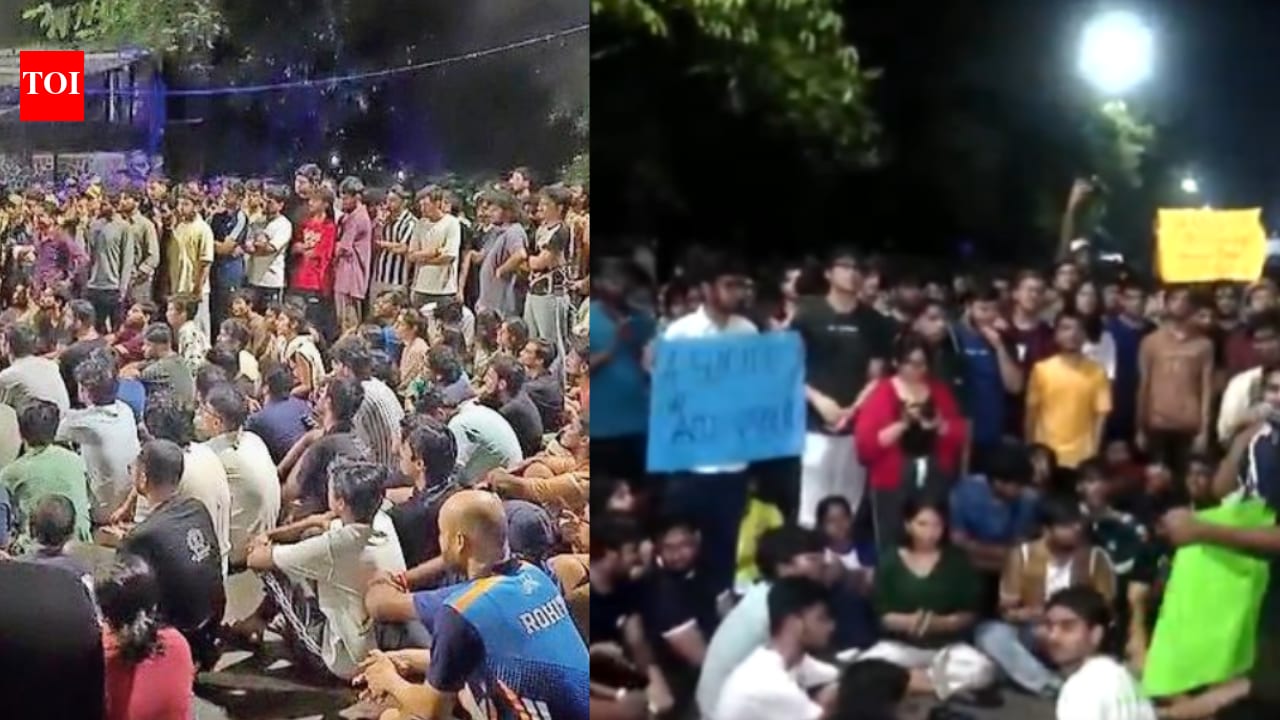
An IIT-Bombay student died by suicide after being caught using an AI platform during an exam. While the institute confirmed no disciplinary action was taken, students have staged protests demanding better mental health support.
Tragedy at IIT-Bombay: Examining the Intersection of Academic Pressure and Mental Health
The Incident
On Friday, September 18, 2026, a second-year student from the Department of Energy Science and Engineering at the Indian Institute of Technology (IIT) Bombay tragically died by suicide. The incident occurred shortly after the student was reportedly caught using a mobile phone to upload an examination question paper to an Artificial Intelligence platform in an attempt to secure answers. The discovery of the student's body in his hostel room has sent shockwaves through the campus, raising urgent questions regarding the intersection of academic integrity, technological temptation, and the intense psychological pressures faced by students at elite institutions.
Institutional Response and Clarifications
In the wake of the tragedy, IIT-Bombay released an official statement to clarify the circumstances surrounding the event. The institute emphasized that no formal disciplinary action had been initiated against the student following the discovery of the unauthorized AI use. According to the administration, the matter had been discussed between the student and the instructor, suggesting a focus on counseling rather than punitive measures. This clarification serves as a critical point of contention, as the administration seeks to distance itself from claims that the student was under immediate threat of expulsion or suspension.
Student Protests and Systemic Concerns
Following the news, large numbers of students gathered at the Powai campus to protest and express their grief. The demonstrators have demanded a thorough investigation into the systemic issues that may have contributed to the student's distress. A primary grievance voiced by the student body is the perceived lack of adequate mental health support and the institute's handling of student well-being. This protest highlights a growing rift between the student population and the administration regarding how academic failures or lapses in integrity are managed within the high-stakes environment of an IIT.
A Pattern of Concern
This tragedy is particularly distressing as it follows another student suicide that occurred at the same hostel on July 28. The proximity of these two events suggests a potential pattern of distress that requires immediate institutional attention. While each case is unique, the recurring nature of these incidents at one of India's most prestigious technical institutes underscores a broader crisis in student mental health that transcends individual academic incidents.
The Role of Technology in Academic Integrity
The use of AI platforms to circumvent examination protocols introduces a new dimension to modern academic stress. As generative AI becomes more accessible, students facing extreme pressure may view these tools as a 'lifeline' for academic survival, only to face profound shame or fear when caught. The incident at IIT-Bombay serves as a sobering reminder of the need for academic institutions to evolve their policies regarding technology and to provide robust support systems that address the root causes of academic dishonesty—namely, the overwhelming fear of failure.
Conclusion and Future Outlook
As police investigations continue to ascertain the precise motive behind the student's decision, the focus remains on the need for systemic change. The tragic loss of a young life highlights that regardless of the administrative stance on disciplinary actions, the perception of pressure remains a lethal force. Moving forward, the challenge for IIT-Bombay and similar institutions will be to foster an environment where academic rigor does not come at the cost of student mental health, and where students feel supported enough to seek help before reaching a point of crisis.
Multiple Citing Sources