FIR against IIT-Bombay over student's death after ChatGPT-linked exam row
Source Entity
Latest News: Todays Latest News Headlines from India & World | Hindustan Times | Hindustan Times
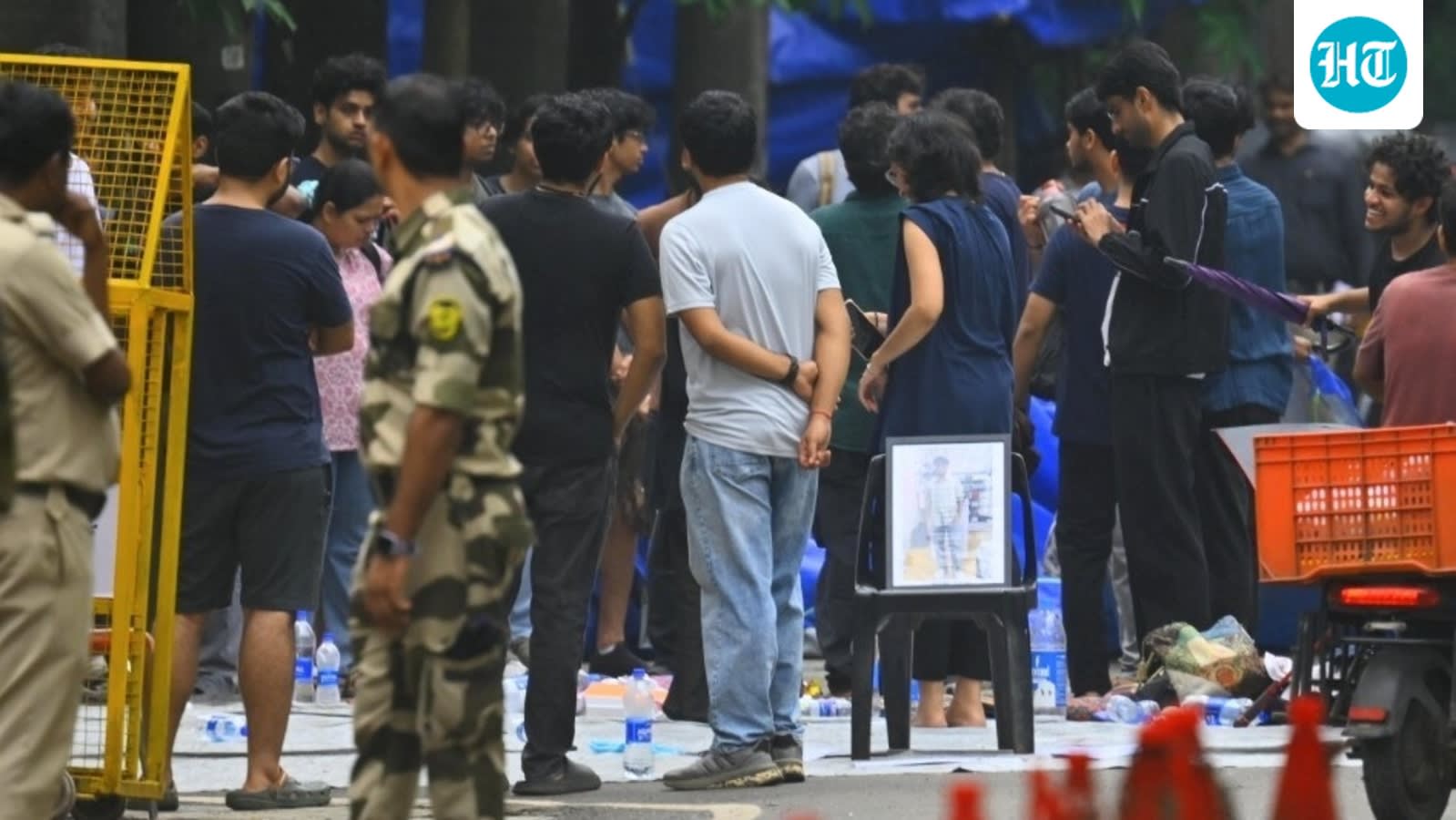
A second-year IIT-Bombay student died by suicide following an incident where he was caught using an AI platform during an examination. The event has sparked massive student protests demanding an inquiry into institutional mental health support, despite the institute's denial of formal disciplinary action.
Tragedy at IIT-Bombay: Examining the Intersection of AI, Academic Pressure, and Mental Health
The Incident and Immediate Aftermath
On Friday evening, a second-year student from the Department of Energy Science and Engineering at the Indian Institute of Technology (IIT) Bombay died by suicide, an event that has triggered widespread unrest on campus. The tragedy occurred on the same day the student was apprehended for using a mobile phone to upload examination questions to an AI platform. Following the incident, the campus became the site of large-scale protests, with students demanding a transparent investigation into the institutional environment and the adequacy of mental health support systems.
Conflicting Narratives and Institutional Response
A central point of contention in this tragedy involves the discrepancy between the student body’s claims and the official stance of the administration. While protesting students have alleged that the victim was threatened with severe disciplinary measures, including suspension, and was humiliated after being asked to leave the examination hall, IIT-Bombay has officially stated that no formal disciplinary proceedings were initiated. The institute maintains that the instructor spoke with the student, providing assurance that the incident would not adversely impact his academic career, yet this communication clearly failed to mitigate the distress experienced by the student.
The Role of Academic Integrity in the Age of AI
This incident highlights the mounting pressure on students in high-stakes academic environments where the integration of generative AI tools has created new ethical and disciplinary challenges. The temptation to utilize AI for academic shortcuts often stems from immense performance pressure, which can become catastrophic when confronted by institutional scrutiny. This case serves as a stark reminder that as educational institutions adapt to technological disruption, they must also evolve their disciplinary frameworks to prioritize student well-being over purely punitive reactions to academic dishonesty.
Systematic Concerns and Historical Context
The gravity of this situation is compounded by the fact that this is not an isolated incident at the Powai campus. The recent death follows another student suicide at the same hostel on July 28, fueling student allegations that the administration is failing to adequately address the underlying mental health crisis. By gathering at the main gate, the student body is not merely reacting to a single event but is expressing a long-standing frustration regarding the lack of institutional empathy and the perceived disconnect between academic rigor and student welfare.
The Legal and Social Repercussions
The filing of a First Information Report (FIR) against the institute marks a significant escalation in the pursuit of accountability. As the parents of the deceased demand a justification for the loss of their only child, the legal process will likely focus on whether the institute's handling of the cheating incident contributed to the student's final state of mind. This legal scrutiny forces a broader conversation about the duty of care that premier engineering institutions owe to their students, especially those from marginalized or financially disadvantaged backgrounds who face unique pressures when navigating elite academic spaces.
Conclusion: A Call for Institutional Reform
The tragedy at IIT-Bombay is a multifaceted failure that demands a comprehensive review of both academic integrity policies and mental health protocols. Moving forward, it is imperative that the administration bridges the trust gap with the student community. Addressing the systemic factors that lead to such desperate measures is essential, ensuring that students view their educational journey as a supportive environment rather than a high-pressure crucible where one mistake can feel like an irreparable life-ending event.
Multiple Citing Sources
Verification Required?