Oil prices tick up as conflict widens, disruptions grow in Middle East
Source Entity
Yahoo Finance
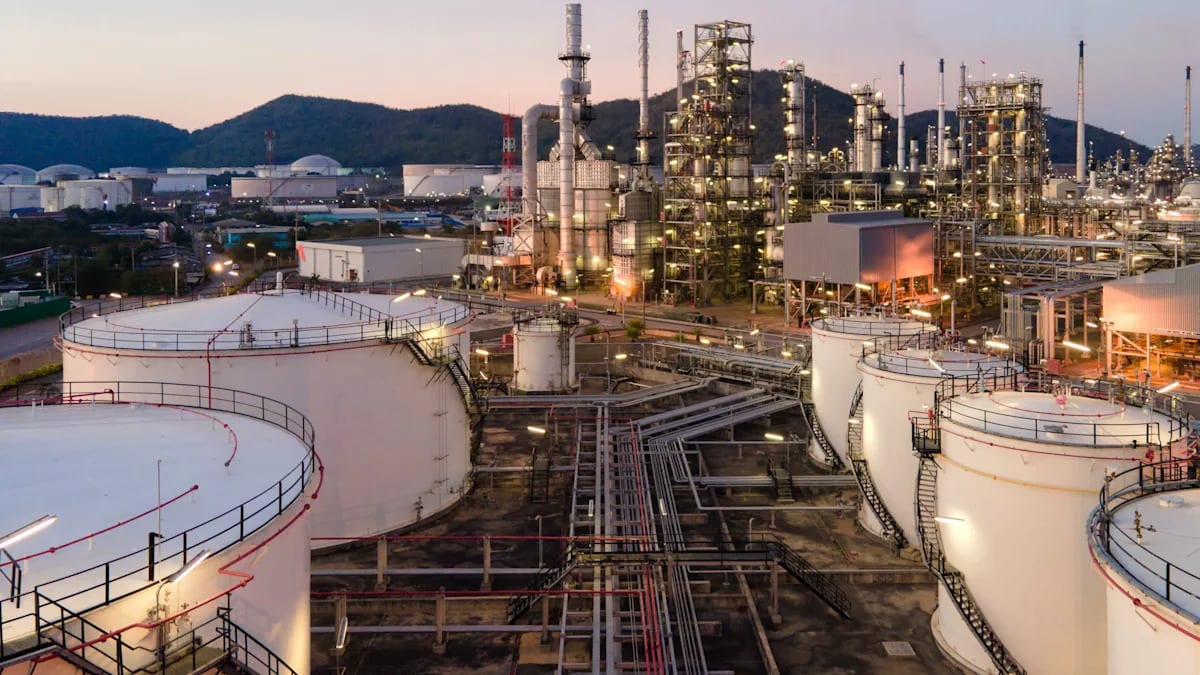
Oil prices have surged following a Houthi drone strike on Saudi Arabia's East-West pipeline, forcing a suspension of crude supplies to Europe. This disruption exacerbates a global energy crisis as strategic reserves hit multi-decade lows and geopolitical tensions in the Persian Gulf intensify.
The Resurgence of Global Energy Volatility
Oil markets have entered a period of acute instability as a recent drone attack on Saudi Arabian infrastructure has effectively severed a critical supply artery. The closure of the East-West pipeline, a vital conduit designed to bypass the volatile Strait of Hormuz, has led Saudi Aramco to halt crude allocations to European customers for the coming month. This development has triggered an immediate market reaction, with Brent crude climbing toward $109 and WTI jumping significantly, reflecting the heightened anxiety surrounding global energy security.
The Failure of Strategic Buffers
The current crisis arrives at a time when the world’s energy safety nets have been systematically depleted. Following the closure of the Strait of Hormuz to tanker traffic in March, global inventories were drawn down at an unprecedented rate. Furthermore, record stock releases coordinated by the International Energy Agency (IEA) have left developed nations—most notably the United States—with their lowest Strategic Petroleum Reserve (SPR) levels since the early 1980s. With these cushions gone, the market lacks the necessary shock absorbers to handle major supply disruptions.
Geopolitical Strain and the Middle East Conflict
This infrastructure failure is occurring against the backdrop of a protracted conflict in the Middle East, now in its seventh month. The initial expectations of a swift resolution have vanished, replaced by a reality where the physical oil market is beginning to crack under the pressure of sustained regional hostilities. The Houthi drone strikes represent a strategic escalation that directly targets the logistical backbone of global oil exports, forcing market watchers to reassess the long-term viability of current supply routes.
The European Energy Crisis Re-emerges
European refiners, such as Poland's Orlen, are now scrambling to secure alternative supplies as the loss of 577,000 barrels per day previously imported from Saudi Arabia creates an immediate supply gap. This disruption threatens to reignite an energy crisis that many had hoped was subsiding. The inability to rely on the East-West pipeline forces Europe to look for scarce alternatives in a market where global oversupply has already vanished, potentially leading to sustained price inflation for consumers and industrial users alike.
Diplomatic Maneuvering and Future Trends
As Saudi leadership seeks Beijing's diplomatic intervention to restrain Houthi activities, the situation highlights the shifting power dynamics in the region. Whether China can effectively leverage its influence to reopen this oil lifeline remains the central question for market stability. Looking forward, the vulnerability of critical energy infrastructure to drone-based warfare suggests that energy security strategies must be fundamentally overhauled, as the era of easy reliance on traditional pipeline networks faces a significant, perhaps permanent, existential threat.