'We fail to appreciate what we get for free': Omar Abdullah backs UPI MDR charges
Source Entity
Latest News: Todays Latest News Headlines from India & World | Hindustan Times | Hindustan Times
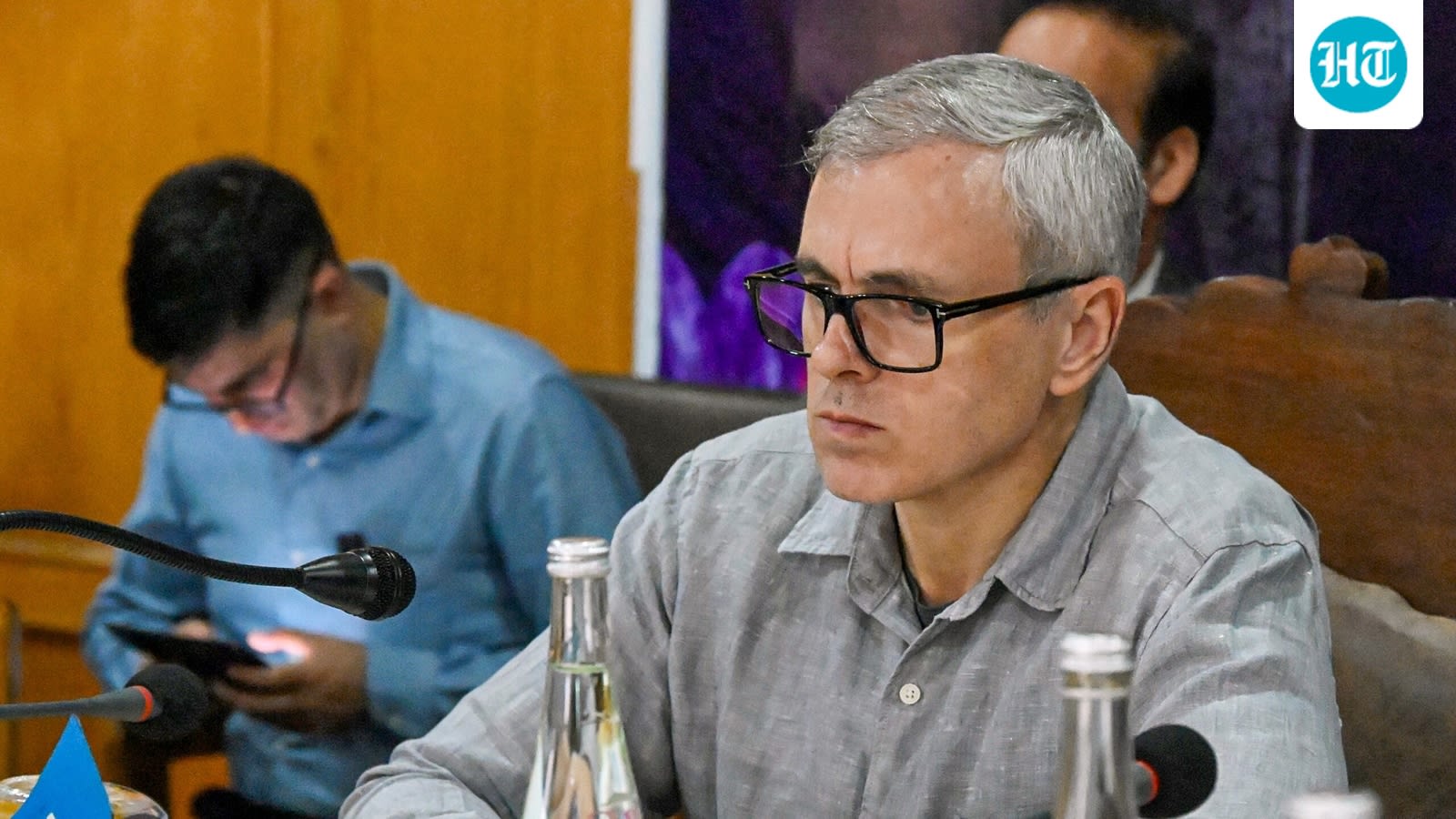
Jammu and Kashmir CM Omar Abdullah has expressed support for a 0.4% Merchant Discount Rate on UPI transactions over ₹2,000. He emphasized that these costs should be borne by businesses rather than individual consumers to maintain the system's sustainability.
The Economic Realities of India's UPI Infrastructure
Jammu and Kashmir Chief Minister Omar Abdullah has recently offered a pragmatic perspective on the financial sustainability of India’s Unified Payments Interface (UPI). By acknowledging that the robust digital infrastructure underlying UPI incurs significant operational costs, Abdullah has highlighted a tension between the convenience of 'free' digital transactions and the underlying fiscal requirements needed to maintain such a massive, real-time settlement system. His comments suggest a growing realization among political leaders that the current model requires careful calibration to ensure long-term viability.
The Rationale Behind the 0.4% MDR
The core of the discussion revolves around the implementation of a 0.4% Merchant Discount Rate (MDR) for UPI transactions exceeding ₹2,000. For years, UPI has been heralded for its zero-cost structure, which was instrumental in its rapid mass adoption across India. However, as transaction volumes have reached unprecedented levels, the cost of processing, security, and infrastructure scaling has become a burden on the financial institutions facilitating these transfers. Abdullah’s support for this fee acknowledges that digital convenience is not inherently free, but rather a service that requires a sustainable funding mechanism.
Protecting the Consumer
Despite supporting the MDR, Omar Abdullah was explicit in his caveat: the financial burden must not be passed down to the end-user. By advocating for the costs to be absorbed by merchants, he aims to protect the widespread consumer base that has become accustomed to zero-fee digital payments. This is a critical distinction, as shifting costs to consumers could potentially stifle the digital payment momentum that the Indian government has worked diligently to foster over the last decade.
Psychological Value of Digital Services
Abdullah’s observation that society often fails to appreciate services provided for free touches on a broader economic philosophy. When a service is provided without a direct price tag, the true value of the technology—and the significant capital investment required to keep it running—is often invisible to the public. By introducing a nominal fee for larger transactions, the system potentially creates a more transparent understanding of the resources required to maintain a secure and efficient digital economy.
Future Implications for Digital Payments
The path forward for India’s digital payment ecosystem will likely involve a delicate balancing act. If the government ensures that the MDR remains restricted to businesses, the move could stabilize the financial health of payment providers without alienating the general public. As UPI continues to evolve, the discourse initiated by leaders like Abdullah will be essential in shaping policies that balance technological innovation with fiscal responsibility, ensuring that India’s digital infrastructure remains both world-class and sustainable for years to come.
Verification Required?