The lesson from student suicides
Source Entity
Latest News: Todays Latest News Headlines from India & World | Hindustan Times | Hindustan Times
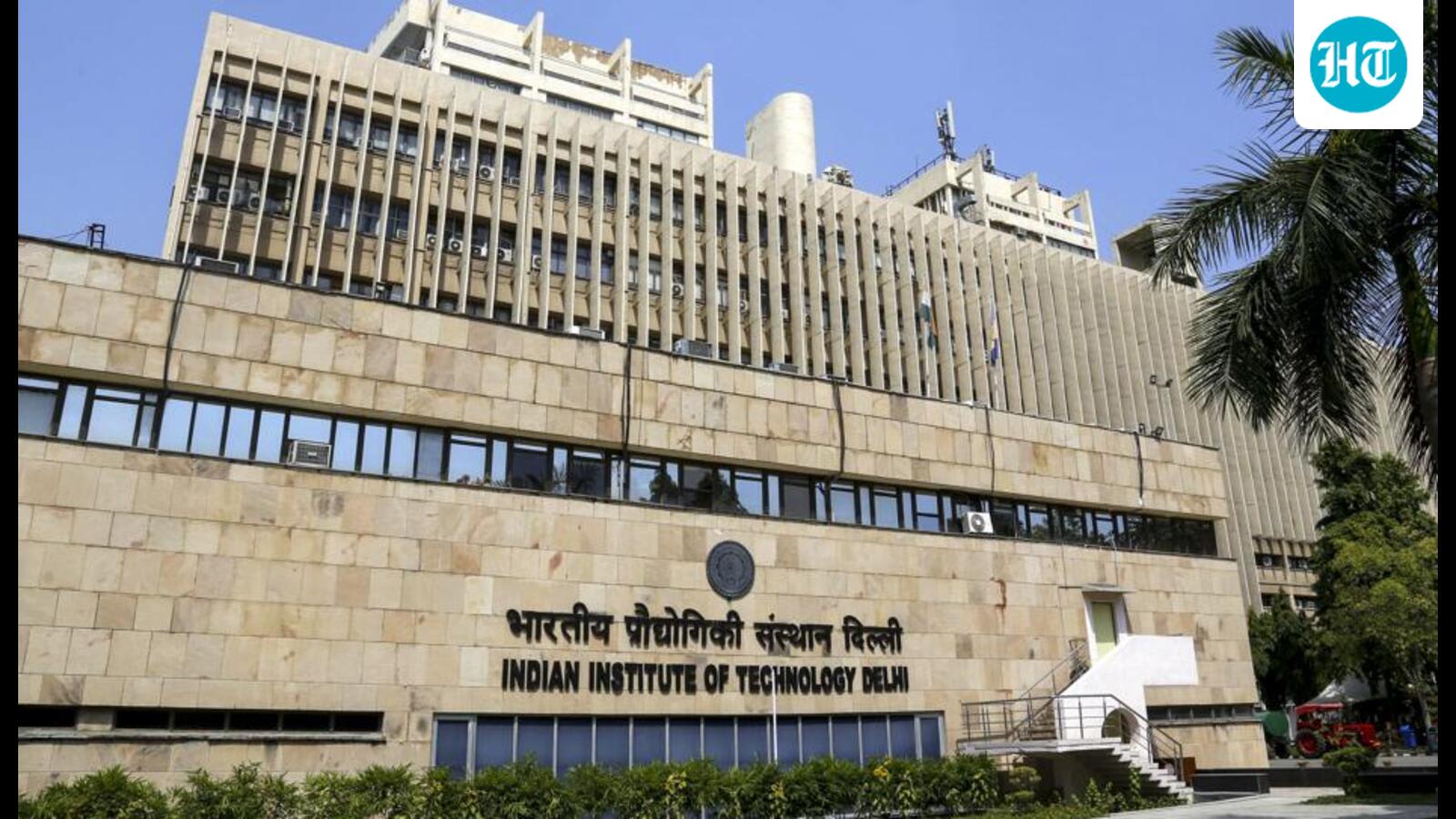
The tragic suicide of a student at IIT-Delhi has sparked protests, highlighting systemic issues of discrimination and inadequate mental health support. The institute is now implementing reforms, while national bodies classify student suicides as a growing epidemic.
The Crisis of Student Well-being in Higher Education
The recent death of a 31-year-old master's student at IIT-Delhi is a harrowing reminder of the mental health crisis permeating India's elite academic institutions. This incident, marking the eighth such tragedy at the institute within a three-year span, has shattered the silence often maintained in high-pressure academic environments. The rarity of protests on this campus underscores the severity of student disillusionment, as the academic community demands accountability from leadership and a fundamental shift in institutional culture.
Systemic Pressures and Academic Culture
At the heart of the unrest is a critique of the 'breakneck academic pursuits' that characterize the IIT experience. Students are no longer merely mourning; they are calling for the resignation of senior office bearers and professors, signaling a deep-seated distrust in the existing administrative framework. The demand for a transparent probe and compensation reflects a need for institutional justice in the face of what many perceive as a systemic failure to protect vulnerable students from burnout and alienation.
The Shadow of Discrimination
Beyond the workload, the protests highlight an 'entrenched discrimination' that continues to plague higher education. The intersection of academic rigor and social exclusion creates a volatile environment where students from diverse backgrounds may feel marginalized. When support systems fail to address these biases, the campus environment can become hostile rather than nurturing, directly contributing to the psychological distress that the Supreme Court-appointed National Task Force has now officially termed an 'epidemic.'
Institutional Response and Reform
In response to the mounting pressure, IIT-Delhi has taken initial steps toward reform by inducting students into the investigative panel. Proposed measures—including curricular flexibility, enhanced mentorship, and robust mental health infrastructure—represent an acknowledgment that the traditional 'sink or swim' model of education is no longer sustainable. Furthermore, the focus on diversity, inclusion, and bias sensitization suggests an institutional move toward recognizing the socio-emotional needs of its student body.
A Path Toward Structural Change
While the promised reforms are a necessary starting point, the efficacy of these measures depends on their implementation. True change will require moving past reactive, policy-level adjustments toward a cultural shift that prioritizes student well-being as a core metric of institutional success. The ongoing dialogue between the administration and the student body is a critical first step in dismantling the barriers that have led to such tragic outcomes, ensuring that academic excellence is not achieved at the cost of human lives.
Verification Required?