Around Town: Inside Ikai, a new premium mithai store in Bandra that doesn’t use refined sugar
Source Entity
Heena Khandelwal
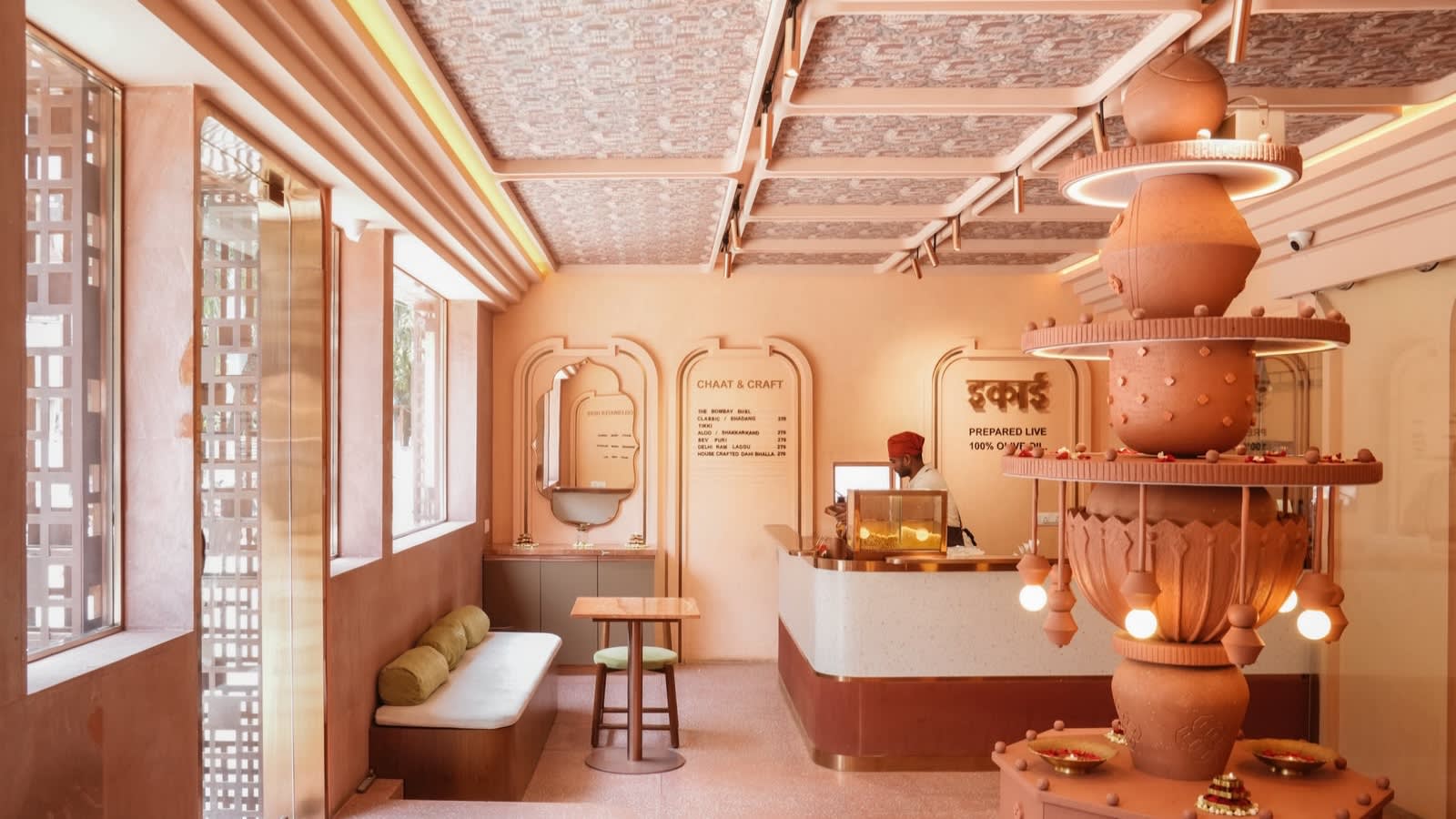
Ikai, a new premium mithai store in Bandra, is redefining traditional Indian sweets by offering a customizable, made-to-order experience. The brand distinguishes itself by completely eliminating refined white sugar and focusing on high-quality ingredients and luxury packaging.
The Modern Mithai Revolution: An Analysis of Ikai
A New Paradigm in Indian Confectionery
The opening of Ikai in Bandra marks a significant shift in how Indian consumers interact with traditional sweets. By adopting a 'build-your-own' model—comparable to the assembly-line efficiency seen in global fast-casual chains like Chipotle—Ikai is transforming the static, pre-packaged nature of mithai into an interactive, culinary experience. Customers now have agency over their boondi, flavors, fillings, and toppings, allowing for a personalized product that bridges the gap between heritage and modern convenience.
The Health-Conscious Pivot
Perhaps the most defining feature of Ikai’s business model is the complete exclusion of refined white sugar. This decision aligns with a growing global movement toward health-conscious indulgence, particularly within the Indian market where lifestyle-related dietary restrictions are becoming increasingly prevalent. By removing refined sugar, founder Dr. Harmitsingh Sikh is not merely chasing a trend but addressing a fundamental concern regarding the nutritional profile of traditional Indian sweets, which have historically been criticized for their heavy sugar and ghee content.
Redefining the 'Indian' Identity
Dr. Harmitsingh Sikh’s philosophy centers on the idea that Indian mithai and namkeen do not need to change their essential character to be improved. The innovation lies in the 'how' rather than the 'what.' By focusing on the refinement of ingredients, the methodology of production, and the presentation of the final product, Ikai aims to elevate the status of Indian sweets to that of luxury, artisanal confections. This approach suggests that there is untapped potential in traditional recipes when they are reimagined through a lens of premium quality.
The Boutique Experience
The aesthetic of the store, which opened in March, reflects this premium positioning. By designing the space to resemble a luxury boutique rather than a traditional neighborhood sweet shop, Ikai is targeting a consumer base that values the environment of consumption as much as the product itself. This shift in retail design is crucial for branding; it signals to the consumer that they are purchasing a premium, curated item rather than a commodity.
Broader Market Implications
Ikai represents a growing trend of 'premiumization' within the Indian food and beverage sector. As the middle and upper-middle classes in cities like Mumbai become more discerning, businesses that can successfully marry traditional taste profiles with modern, transparent, and health-focused production methods are likely to see sustained growth. The future of this sector will likely be defined by brands that can prove authenticity while simultaneously disrupting the traditional, often opaque, supply chains of the mithai industry.
Conclusion
In summary, Ikai is successfully carving out a niche by deconstructing the traditional mithai shop model. Through its commitment to refined-sugar-free recipes, customizable service, and a luxury-retail atmosphere, the brand is setting a new standard for Indian confectioners. As it continues to operate in the competitive Bandra market, its trajectory will serve as a bellwether for the viability of health-focused, high-end traditional Indian food products.