Saudi Arabia crude oil exports hit highest level since Iran war began despite pipeline outage
Source Entity
US Top News and Analysis
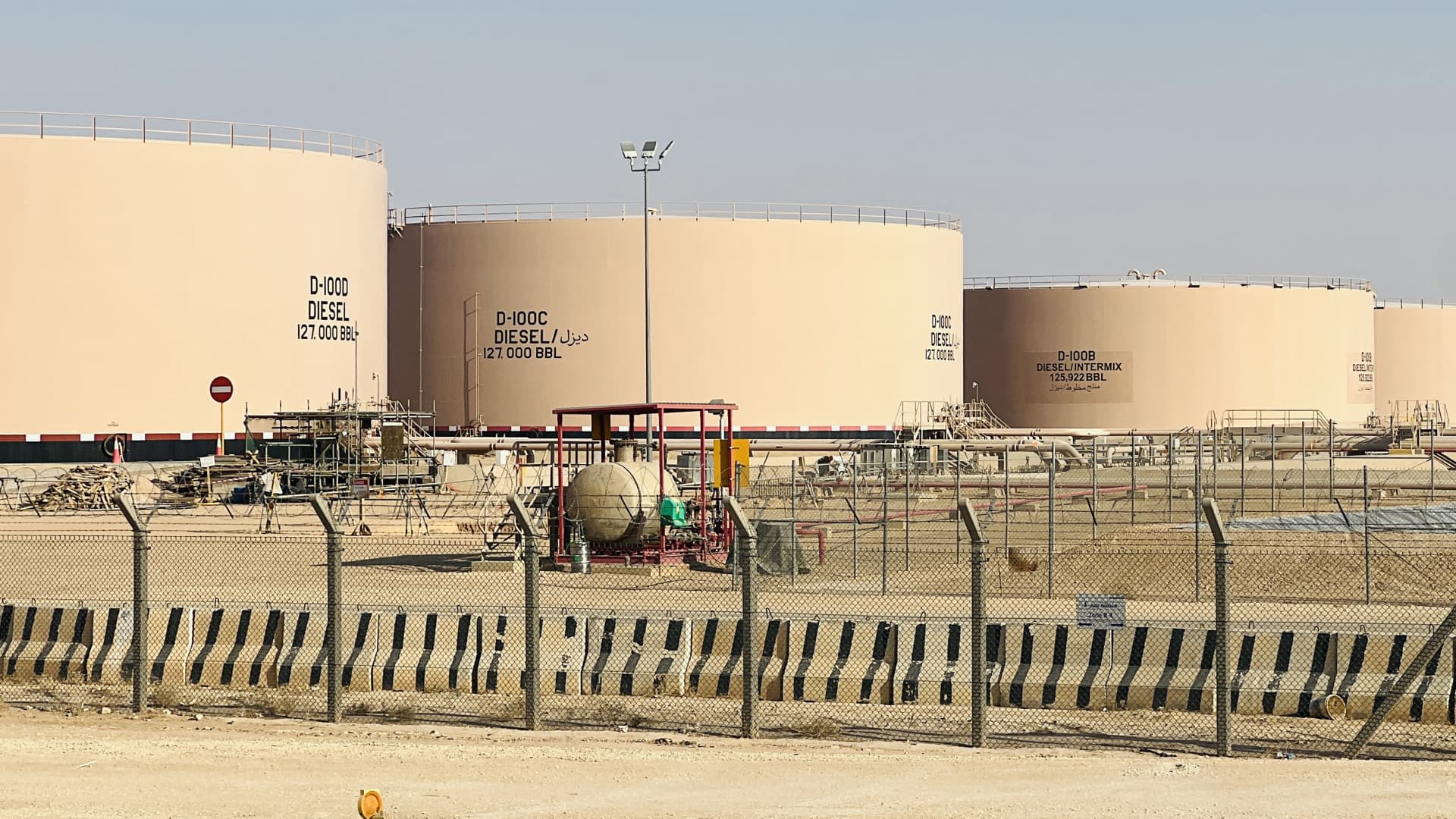
Saudi Arabia has increased crude oil exports to 6 million barrels per day, reaching levels not seen since the start of the Iran conflict. This growth persists despite infrastructure damage from drone attacks and the closure of the critical East-West pipeline.
Saudi Oil Resilience Amid Regional Conflict
Saudi Arabia’s crude oil export sector has demonstrated remarkable resilience in the face of persistent geopolitical instability. Despite escalating drone attacks launched by Iran-backed militants from Yemen and Iraq, the kingdom has successfully ramped up its crude shipments to 6 million barrels per day in September. This figure marks a significant recovery, bringing export volumes back to the 2025 monthly average and representing the highest output since the onset of the Iran war approximately seven months ago.
Navigating Infrastructure Sabotage
The surge in exports is particularly notable given the tactical challenges facing Saudi infrastructure. The recent closure of the critical East-West oil pipeline—a vital artery for the kingdom’s energy exports—followed damage sustained during a coordinated drone strike. Historically, this pipeline has functioned as a strategic relief valve, enabling Saudi Arabia to bypass the Strait of Hormuz, a narrow maritime chokepoint often cited as a major vulnerability in global energy security. The ability to maintain such high export volumes despite the loss of this asset underscores a sophisticated logistical pivot in Saudi energy management.
Market Dynamics and Export Growth
Data provided by the trade intelligence firm Kpler highlights a dramatic month-over-month increase, with September shipments surging nearly 80% compared to the 3.4 million barrels per day (bpd) exported in August. This sharp rebound indicates that Saudi Arabia has successfully redirected its supply chains to mitigate the impact of regional hostilities. By effectively managing these disruptions, the kingdom continues to exert significant influence over global oil supply dynamics, even as it remains a primary target for regional proxies.
Broader Geopolitical Implications
The ongoing conflict between Saudi Arabia and Iran-backed militants has transformed the energy landscape into a theater of economic warfare. The persistence of these attacks suggests a sustained attempt to destabilize the Saudi economy by targeting its primary revenue stream. However, the current export data suggests that the kingdom’s infrastructure hardening and logistical agility are proving effective against these asymmetric threats. The ability to return to 2025-level averages suggests that the market impact of specific infrastructure outages has been contained, at least in the short term.
Future Trends and Energy Security
Looking ahead, the stability of global oil prices will remain tethered to the security of Saudi export routes. While the current export figures are robust, the reliance on infrastructure that remains vulnerable to drone strikes poses a long-term risk. Future trends will likely involve increased investment in defensive technologies and the diversification of export pathways to ensure that regional instability does not translate into global supply shocks. The resilience shown this month serves as a testament to the kingdom's commitment to maintaining its position as a dominant global energy supplier despite the shadow of regional warfare.