Did Ilhan Omar marry her brother? Minnesota Democrat lawmaker could face deportation, DHS secretary says
Source Entity
Latest News: Todays Latest News Headlines from India & World | Hindustan Times | Hindustan Times
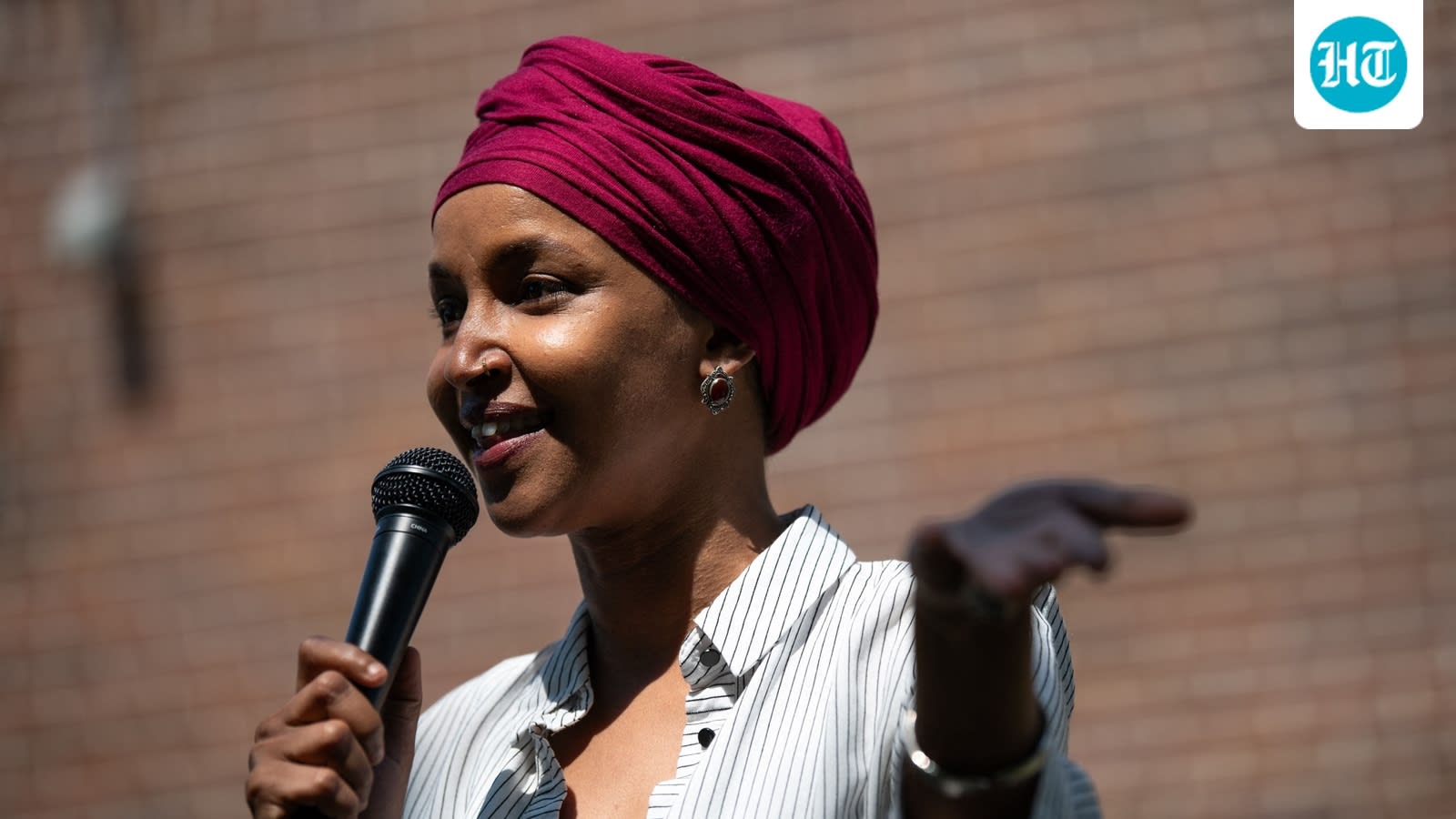
Rep. Markwayne Mullin has alleged that Rep. Ilhan Omar committed immigration fraud by marrying her brother to facilitate his entry into the U.S. Federal authorities are reportedly investigating these claims, which could theoretically lead to deportation proceedings if proven.
Allegations of Immigration Fraud Against Rep. Ilhan Omar
Recent political discourse has been punctuated by serious allegations levied by U.S. Representative Markwayne Mullin against Minnesota Democrat Ilhan Omar. During an interview with commentator Benny Johnson at a Republican midterm convention in Dallas, Mullin asserted that Rep. Omar married her own brother as a strategic mechanism to circumvent U.S. immigration laws. These claims, which have surfaced periodically in political spheres, suggest that the marriage was a fraudulent arrangement intended to provide her sibling with legal status in the United States.
The Nature of the Federal Investigation
According to the assertions made by Mullin, the Department of Homeland Security (DHS) is currently engaged in an investigation concerning these allegations. The gravity of such an accusation lies in the potential for criminal charges related to immigration fraud. Under U.S. law, entering into a marriage for the sole purpose of evading immigration regulations is a federal crime. Mullin indicated that if federal investigators can substantiate these claims, the legal consequences for Rep. Omar could be severe, potentially reaching the threshold of deportation proceedings.
Political Implications and Rhetoric
The timing and setting of these comments—a Republican midterm convention—highlight the highly polarized environment surrounding this issue. By framing the allegation within the context of national security and border integrity, critics of Rep. Omar seek to challenge her eligibility and moral standing as a federal lawmaker. This rhetoric serves to mobilize a specific segment of the electorate that prioritizes strict immigration enforcement and accountability for public officials, transforming a personal investigation into a broader debate on political ethics.
Legal Challenges and Burden of Proof
While the accusations are significant, the legal threshold for stripping a naturalized citizen of their status or pursuing deportation is exceptionally high. Federal authorities would need to provide irrefutable evidence that the marriage in question was indeed fraudulent and entered into specifically for immigration purposes. To date, these claims remain largely in the realm of political allegation rather than judicial confirmation, and the burden of proof rests entirely on federal investigators to navigate the complexities of international records and previous family history.
Broader Context of Immigration Scrutiny
This situation underscores the intense scrutiny that public figures, particularly those who are immigrants or from minority backgrounds, face regarding their personal histories and documentation. The intersection of immigration policy and political warfare often results in the weaponization of personal records. As the investigation progresses, the case serves as a focal point for ongoing discussions regarding the integrity of the U.S. immigration system and the extent to which political opponents may use administrative inquiries to challenge the legitimacy of their peers.
Future Trends in Political Accountability
Looking forward, the outcome of this investigation will likely set a precedent for how allegations of historical immigration fraud are handled when directed at high-ranking officials. If the DHS investigation concludes without evidence, it may lead to further calls for reforms in how political opponents leverage federal agencies to investigate one another. Conversely, if evidence is found, it would trigger a constitutional and legal crisis of unprecedented proportions, potentially reshaping the landscape of congressional ethics and the legal requirements for serving in the U.S. government.
Verification Required?