Impulse Tracker
Source Entity
Hacker News
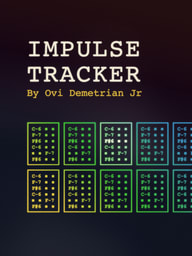
Impulse Tracker is a short story exploring the pivotal life decisions of a 20-year-old musician named Alan in 1996. It delves into the classic conflict between pursuing artistic passion and accepting corporate stability.
The Creative Crossroads: Analyzing 'Impulse Tracker'
A Defining Moment in 1996
'Impulse Tracker' presents a narrative set in 1996, a year defined by the rapid intersection of personal computing and creative expression. The protagonist, 20-year-old Alan, stands at a metaphorical and literal crossroads. Living in a small apartment, he is forced to weigh his identity as an electronic music creator against the lure of a professional trajectory within a software company. This tension captures the quintessential struggle of the mid-90s digital age, where the democratization of music production tools began to clash with traditional career expectations.
The Allure of Stability vs. Artistic Integrity
At the heart of the story is the binary choice between a 'dead-end job' and a promising corporate offer. This conflict serves as a microcosm for the broader societal shift during the late 20th century. While the software industry was burgeoning, promising financial security and professional advancement, the electronic music scene offered an outlet for deep individual expression. Alan's dilemma is not merely about employment; it is about the cost of professionalization and whether his creative 'beats' can survive the transition into a structured corporate environment.
Contextualizing the 'Impulse Tracker' Era
To understand the gravity of Alan's decision, one must look at the technological landscape of 1996. The rise of tracker software—a type of music sequencer—allowed independent artists to compose complex electronic music on modest home hardware. This era empowered a generation of bedroom producers to bypass traditional studio gatekeepers. By centering the story on this specific technology, the author highlights how the tools of the trade often dictate the rhythm and direction of one's life.
The Philosophical Weight of 'The Big Things'
The narrative posits that achieving 'the big things in life' requires paying attention to 'each beat along the way.' This philosophical framing suggests that the significance of a life is found in the granular decisions—the small, quiet nights in an apartment—rather than just the final outcome. It serves as a reminder that the path toward one's ultimate goal is often paved with moments of profound doubt and necessary introspection.
Future Implications and Narrative Legacy
As an 8-page short story, 'Impulse Tracker' acts as a poignant case study on the fragility of ambition. By leaving the reader to contemplate Alan's final decision, the work invites an exploration of the 'what-ifs' that define human history. Future trends in digital storytelling often revisit these formative moments of the 90s, recognizing them as the foundation for the current gig economy and the modern creator culture we observe today.
Conclusion
Ultimately, 'Impulse Tracker' is an introspective look at the intersection of passion and practicality. It serves as a testament to the importance of mindfulness in the face of life-altering career decisions, grounding its narrative in a period of technological transition that continues to resonate with contemporary audiences.