Imtiaz Ali defends star kids, says ‘they have a terrible disadvantage: a very high parameter of success’
Source Entity
Latest News: Todays Latest News Headlines from India & World | Hindustan Times
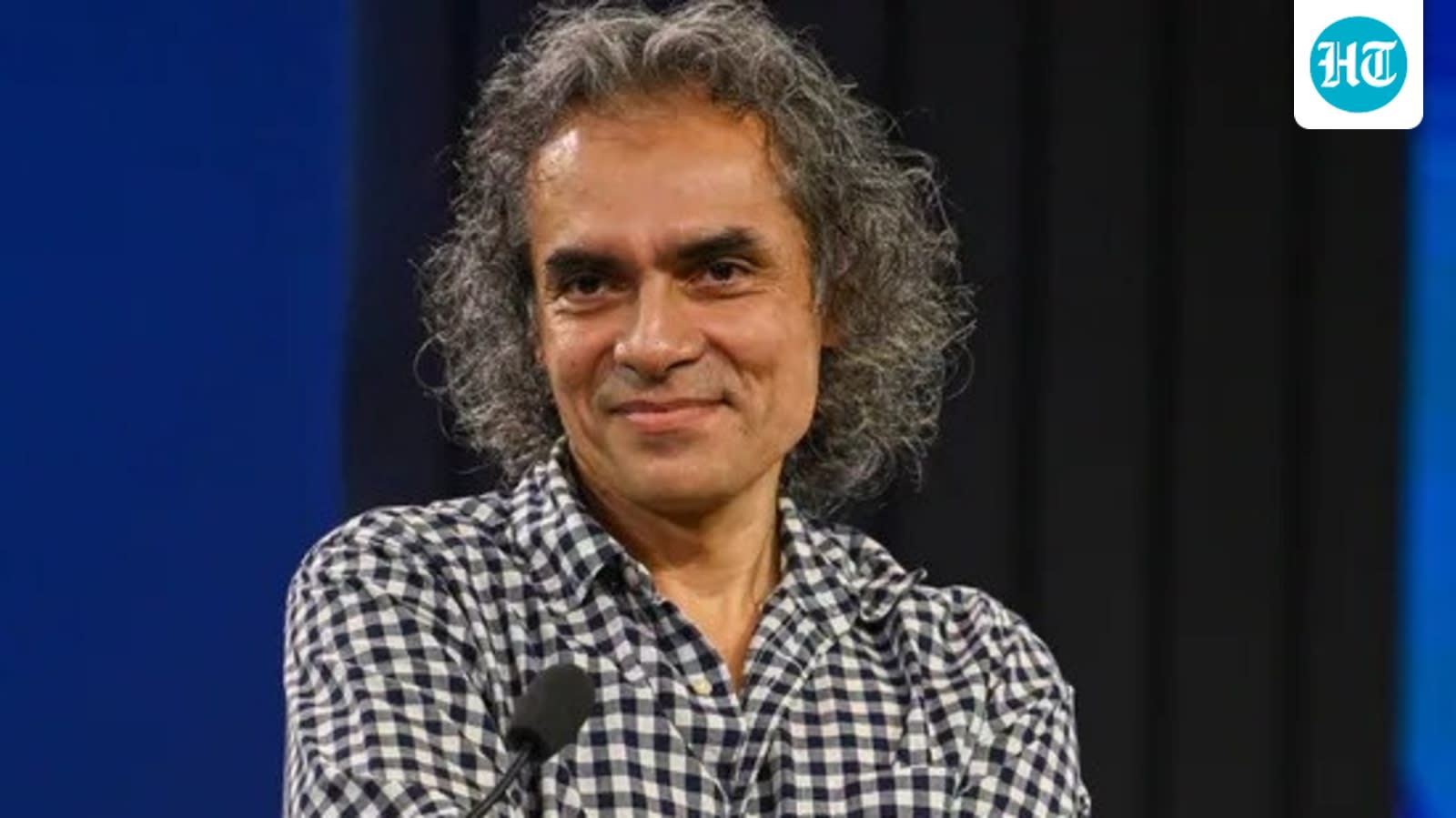
Filmmaker Imtiaz Ali expresses interest in a potential Jab We Met sequel while emphasizing he would prefer to watch it rather than direct it. He also defends star kids, noting they face unique pressures and high expectations in the film industry.
The Legacy of Jab We Met and the Future of Sequels
At the 24th Hindustan Times Leadership Summit, acclaimed filmmaker Imtiaz Ali engaged in a candid discussion regarding his filmography and the evolving landscape of Indian cinema. Among the topics discussed was the cult classic Jab We Met (2007). Ali expressed a firm belief that a sequel is warranted, though he offered a surprising caveat: he would prefer not to be the director. His rationale—a desire to experience the magic of the story as an audience member rather than a creator—highlights the unique emotional distance filmmakers often seek from their most iconic works.
The Modern Challenge of Character Portrayal
When contemplating how the iconic character 'Geet,' played by Kareena Kapoor Khan, would function in the contemporary era, Ali provided a sobering assessment of modern storytelling. He noted that the advent of social media has fundamentally altered the 'adventure' of relationships. According to Ali, if a character like Geet were a social media influencer today, much of her screen time would be static, spent on a couch browsing a phone. This critique points to the broader struggle filmmakers face in maintaining cinematic dynamism when the primary medium of modern connection is inherently sedentary and digital.
Deconstructing the 'Star Kid' Narrative
Beyond his filmography, Imtiaz Ali addressed the contentious debate surrounding nepotism and children of film families. He argued that these individuals face a 'terrible disadvantage' characterized by an exceptionally high parameter of success. While the public often focuses on the ease of entry into the industry, Ali shifted the focus toward the psychological and professional burden of constant comparison to their predecessors. He emphasized that these actors are subject to rigorous work demands and intense scrutiny that rarely leaves room for personal growth or failure.
The Burden of Expectations
Ali’s defense of star kids touches upon the systemic pressures inherent in the Bollywood ecosystem. The expectation to immediately replicate the achievements of established family members creates a high-stakes environment where the margin for error is razor-thin. By highlighting that these individuals face 'demanding work,' Ali suggests that the public perception of privilege often masks the reality of a high-pressure career path where every move is judged against an impossible standard of success.
Conclusion: A Vision for Cinematic Evolution
Imtiaz Ali’s insights at the leadership summit provide a dual look at the industry: a reflection on the limitations of modern digital culture on storytelling and a plea for nuance in how we view the next generation of actors. His perspective serves as a reminder that both the art of filmmaking and the lives of those within it are subject to complex, often contradictory pressures. As the industry moves forward, the challenge remains to balance the nostalgia of beloved classics with the necessity of adapting to a world that is increasingly defined by the very digital habits that Ali finds so difficult to translate onto the big screen.
Verification Required?