Independence Day 2026: Where am I from? The complicated meaning of home for Indians abroad
Source Entity
India Latest News: Top National Headlines Today & Breaking News | The Hindu
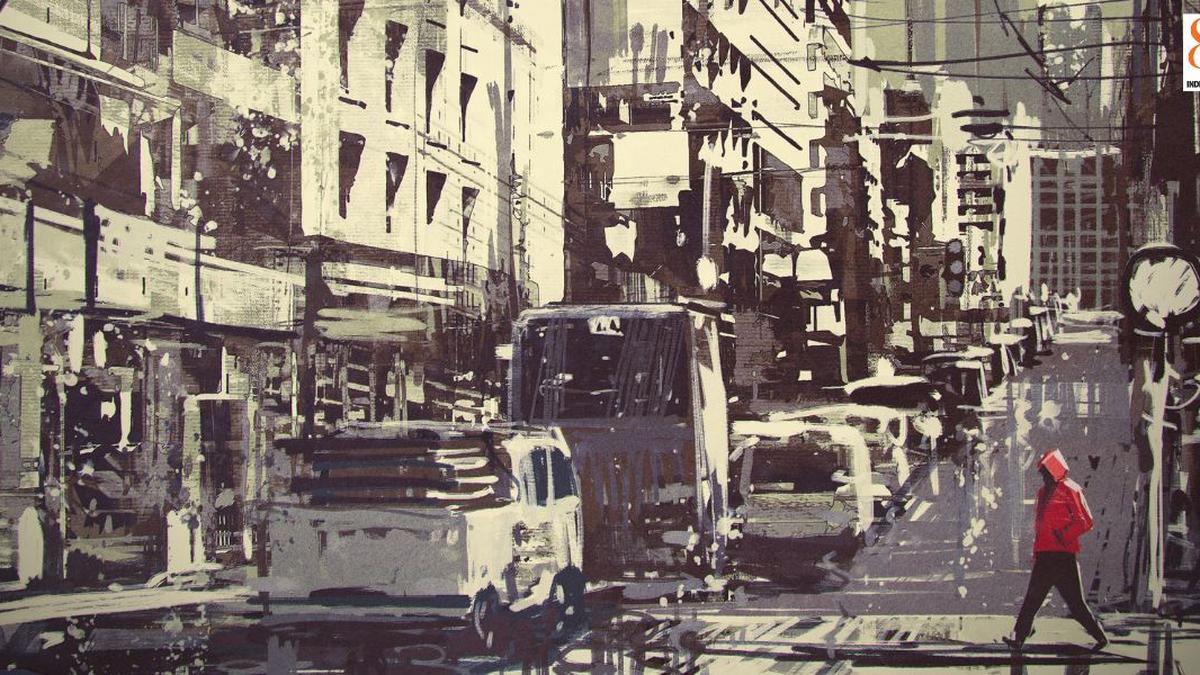
Independence Day 2026 highlights the evolving nature of Indian identity for the global diaspora. The narrative explores the complexities of belonging across India, Sweden, and the United States.
The Fluidity of Identity in the Global Indian Diaspora
As India commemorates Independence Day 2026, the traditional definition of 'home' is undergoing a profound transformation. For millions of Indians living abroad, the concept of belonging is no longer tethered to a single geography but is instead a mosaic of experiences spanning multiple continents. The freedom to migrate, a hallmark of modern Indian mobility, has paradoxically complicated the search for identity, as individuals navigate the intersection of their ancestral roots and their adopted homes.
The Complexity of 'Where Are You From?'
The question 'Where are you from?' serves as a catalyst for internal conflict for the diaspora. When a simple inquiry leads to a hesitation, it highlights the disconnect between external perception—often based on accents or appearance—and the internal reality of a life lived across borders. For those who have spent decades in places like Sweden, the answer is rarely a single location, reflecting a life trajectory that defies the binary of 'here' and 'there.'
Memory, Migration, and the Burden of Belonging
Leaving India does not equate to shedding one's identity. Instead, it involves carrying memory as a form of cultural baggage that interacts with new environments. The narrative of the Indian diaspora is defined by this constant negotiation, where the memory of a homeland remains a potent force even while navigating the cultural norms of a host nation. This psychological journey demonstrates that identity is an active, ongoing process rather than a static state of being.
The Transitory Nature of Modern Living
For those living in the United States, the feeling of transience often complicates the settling process. Unlike a permanent home, these spaces can feel temporary, emphasizing the nomadic nature of the modern global citizen. This feeling of being 'in transit' is a common experience for those whose lives are distributed across different cultural landscapes, leading to a unique perspective on what it means to belong to a nation versus belonging to a global community.
Historical Context and Future Trends
The Indian diaspora has grown exponentially in influence and size, making the re-evaluation of 'home' a critical cultural trend. As more Indians integrate into societies in Europe and the Americas, the definition of an 'Indian' will continue to expand to include those whose primary connection to the country is heritage rather than current residency. This trend suggests that future discourse on Indian identity will likely focus more on transnational connections and the portability of culture.
Conclusion: Defining Home in a Globalized World
Ultimately, the 2026 Independence Day reflection reminds us that home is a deeply personal construct. Whether it is a place of birth, a place of long-term residency, or a temporary stop in a life of migration, 'home' is defined by the individual's narrative. As the diaspora continues to grow, the ability to hold space for multiple identities will become the defining characteristic of the modern Indian experience.
Verification Required?