Independence Day 2026: Crafts from four states adorn President’s At Home invite
Source Entity
Divya A
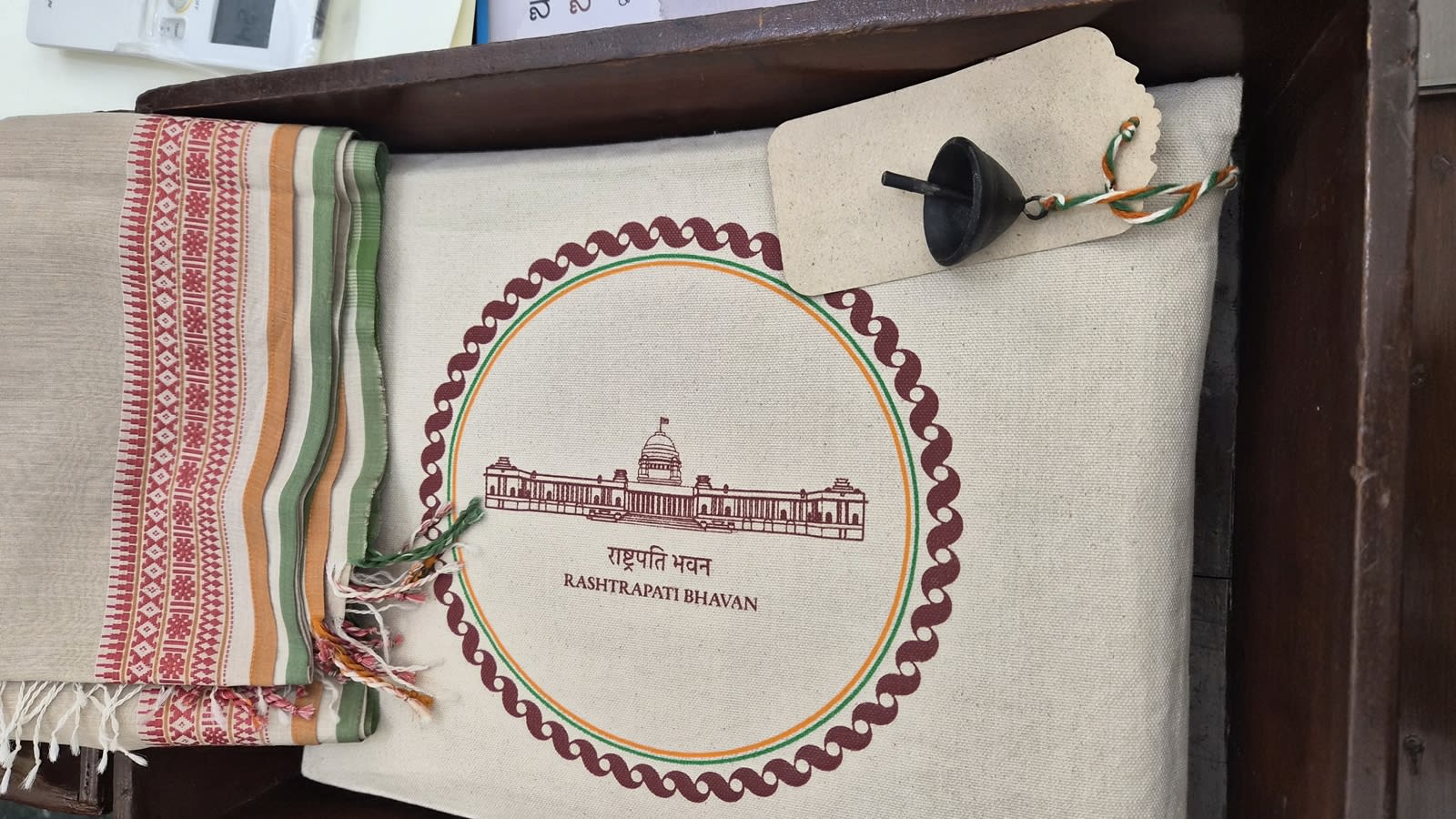
President Draupadi Murmu has invited 650 guests, including grassroots changemakers like Didom Daimari, to the 80th Independence Day 'At Home' reception. The event highlights cultural heritage from Maharashtra, Goa, Madhya Pradesh, and Chhattisgarh.
Celebrating Grassroots Excellence at the 80th Independence Day
As India commemorates its 80th Independence Day, the Rashtrapati Bhavan has redefined the traditional 'At Home' reception by shifting the spotlight from purely political circles to the unsung heroes of the nation. Among the 650 guests invited by President Draupadi Murmu is Didom Daimari, an environmental conservationist from Udalguri, Assam, whose twelve-year commitment to local ecology has earned him a seat at this prestigious event. This inclusion reflects a broader administrative shift toward recognizing community-level contributions that often go unnoticed on the national stage.
A Diverse Tapestry of Invitees
The guest list is a deliberate mosaic of India’s diversity, featuring over 100 eminent citizens and grassroots leaders. The presence of individuals like Hemlata Suryavanshi from Ujjain, recognized for her role in the Yuva Aapda Mitra disaster management training, and Leh’s Tashi Namgyal, known for his dedicated community welfare work, underscores the government's intent to honor those who serve on the front lines of societal development. By inviting such individuals, the Presidency is signaling that the strength of the republic lies in the localized efforts of its citizens.
Highlighting Regional Heritage
Beyond the guest list, the 2026 event focuses heavily on the cultural preservation of four specific states: Maharashtra, Goa, Madhya Pradesh, and Chhattisgarh. The inclusion of rare craft items in the invitation packages sent to guests serves as a tangible bridge between the high office of the President and the artisanal legacy of these regions. This strategy not only promotes traditional craftsmanship but also reinforces a sense of national unity by integrating regional identities into the national Independence Day narrative.
Institutional Recognition of Service
The act of sending physical craft items to guests as part of their invitation is a symbolic gesture of respect for India’s rich heritage. For conservationists like Daimari, this recognition serves as validation for over a decade of environmental labor. It highlights how the Rashtrapati Bhavan is evolving into a platform that actively bridges the gap between remote regional development and the national capital’s ceremonial traditions.
Future Trends in National Celebrations
This approach signals a potential long-term trend in how India celebrates its national milestones. By prioritizing 'At Home' guests based on their specific contributions to disaster management, environment, and community welfare, the state is effectively incentivizing civic engagement. As the country looks toward its future, such events act as a barometer for national priorities, emphasizing that the 'At Home' reception is no longer just a diplomatic formality, but a celebration of the people who build the nation from the ground up.