Conviction Meant To Silence Him: Tarun Tejpal's Daughter Says He Is Innocent
Source Entity
NDTV News Search Records Found 1000
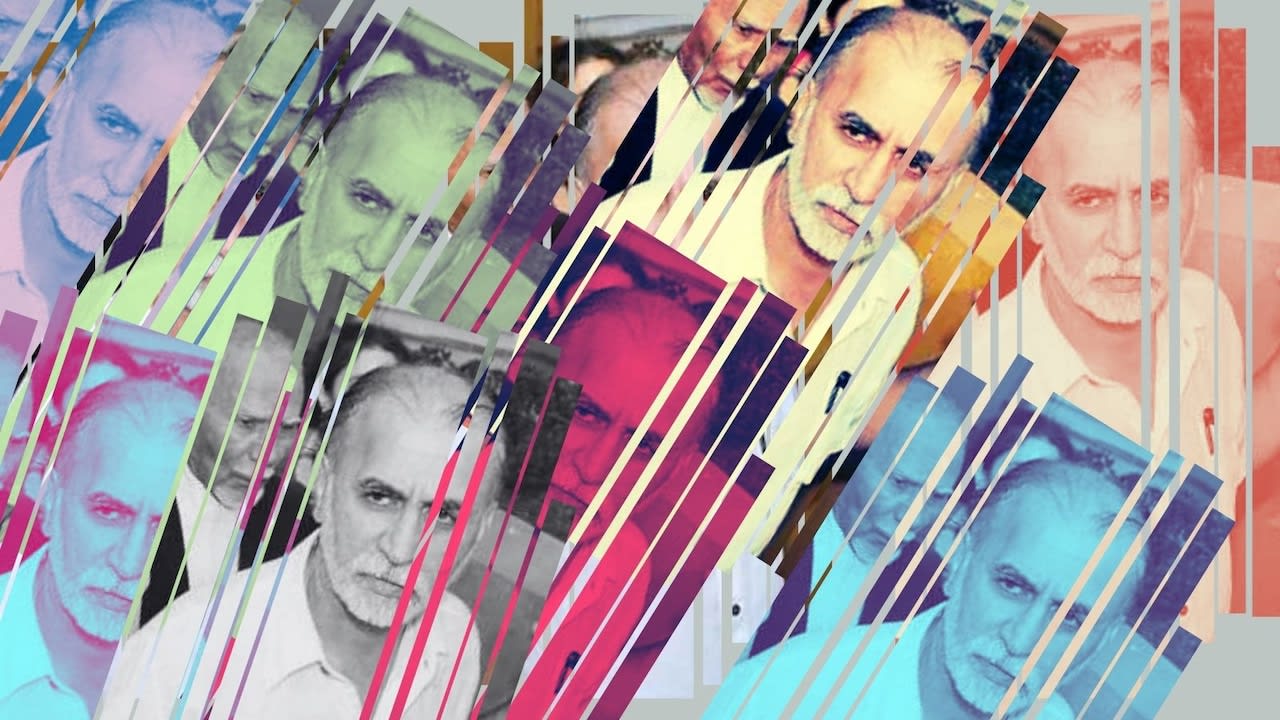
Cara Tejpal has publicly declared her belief in her father Tarun Tejpal's innocence, citing a 13-year review of case evidence. She urges the public to look beyond media headlines when evaluating the legal proceedings.
The Ongoing Debate Surrounding Tarun Tejpal's Legal Battle
Recent statements made by Cara Tejpal have brought renewed public attention to the long-standing legal case involving her father, Tarun Tejpal. After thirteen years of legal proceedings and scrutiny, Cara Tejpal has publicly asserted her belief in her father's innocence. This intervention highlights the deeply personal and often contentious nature of high-profile legal cases that have played out in the public eye for over a decade.
The Call for Evidentiary Scrutiny
At the core of Cara Tejpal's request is a call for the public to move past the surface-level narratives often presented in news headlines. By claiming to have meticulously sifted through the evidence herself, she challenges the prevailing public perception formed by years of media coverage. This perspective emphasizes the gap that often exists between complex legal documentation and the simplified summaries consumed by the general public.
Challenges of Public Perception
High-profile cases involving influential figures are frequently subject to intense media cycles that can solidify public opinion long before a final resolution is reached. Cara Tejpal’s assertion that the conviction was intended to 'silence' her father speaks to a broader skepticism regarding the judicial process and the influence of external pressures on legal outcomes. This sentiment reflects a growing trend where family members and supporters of defendants utilize direct communication to combat dominant media narratives.
The Role of Long-Term Legal Proceedings
Thirteen years is an exceptionally long duration for any legal matter to remain in the public spotlight, creating a unique environment where the case becomes part of the cultural zeitgeist. The endurance of this case illustrates the complexities of India's judicial system, where appeals and procedural delays can prolong the resolution of sensitive matters. Such longevity often leads to fatigue, yet as seen here, it also provides a prolonged period for evidence to be re-examined by those closest to the accused.
Broader Implications and Future Trends
As we look forward, the discourse surrounding the Tejpal case serves as a case study for how families of public figures manage reputations in the digital age. The reliance on social media and direct appeals to the public is likely to increase as individuals seek to bypass traditional filters to state their case. The future of this narrative will likely remain polarized, split between those who view the judicial verdict as definitive and those who, like Cara Tejpal, continue to challenge the underlying evidence.
Conclusion
Ultimately, the situation underscores the difficulty of reconciling personal conviction with legal reality. While the judicial system operates on the basis of evidence and procedure, the court of public opinion often operates on personal testimony and narrative framing. Cara Tejpal’s recent statements are a significant development in a case that has already left a lasting mark on the Indian media and legal landscape.
Verification Required?