One crore homes completed and delivered under PM scheme: Government
Source Entity
TNN
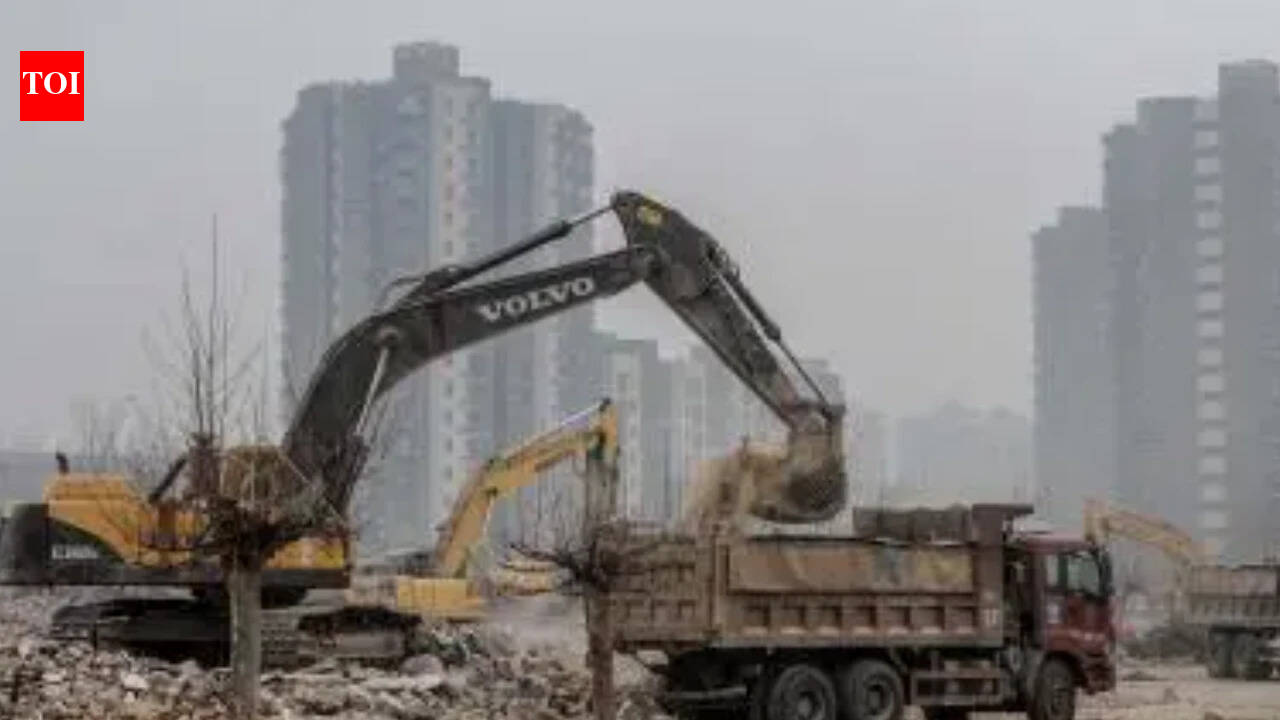
The Indian government has successfully delivered one crore urban homes under the Pradhan Mantri Awas Yojna since 2015. This milestone emphasizes a strong focus on female empowerment and housing for economically weaker sections.
A Landmark Milestone in Urban Housing
The Indian government has officially announced a significant milestone in its flagship housing initiative, the Pradhan Mantri Awas Yojna (PMAY). Since the inception of the scheme in 2015, the state has successfully completed and delivered over one crore urban houses to beneficiaries. This achievement marks a transformative shift in the nation's urban development landscape, addressing the long-standing challenge of providing formal, pucca housing to the country's growing urban population.
Empowering Women Through Ownership
A critical component of the PMAY success story is its deliberate focus on gender inclusivity. Out of the 1.25 crore houses sanctioned under the scheme since its launch, nearly one crore have been allocated to women. By prioritizing female ownership, the government is not merely providing shelter but is actively fostering economic security and social empowerment for women across urban centers. This strategy ensures that women are central to the household asset ownership structure, which is a significant departure from traditional societal norms.
Scaling Up: PMAY-Urban 2.0
The momentum established by the initial phase of PMAY is now being channeled into the next iteration, known as PMAY-Urban 2.0. This new phase has already introduced over 2.09 lakh houses specifically tailored for Economically Weaker Section (EWS) families. By focusing on the most vulnerable demographics, the government aims to bridge the gap between affordable housing supply and the actual demand among low-income urban dwellers, ensuring that the benefits of the scheme reach those who need it most.
Diverse Construction Modalities
The scheme’s success is also attributed to its flexible implementation strategies, such as the Beneficiary Led Construction (BLC) scheme. Under this specific vertical, 1.4 lakh homes have been sanctioned for pucca construction. This approach allows beneficiaries to play a direct role in the building process of their own homes, which often leads to higher satisfaction rates and better utilization of local resources. It empowers individuals to transition from temporary settlements to durable, permanent housing structures.
Broader Implications and Future Outlook
The completion of one crore homes is a testament to the government’s commitment to achieving 'Housing for All.' The broader implications of this initiative extend beyond simple infrastructure; it improves public health outcomes, enhances urban sanitation, and stimulates the construction economy. As PMAY-Urban 2.0 continues to gain traction, the future trend suggests a continued focus on vertical growth and high-density, high-quality urban planning, ensuring that the rapid pace of urbanization in India is accompanied by adequate, dignified living standards for all citizens.