AI law may cover agent autonomy, deepfakes
Source Entity
Soumyarendra Barik
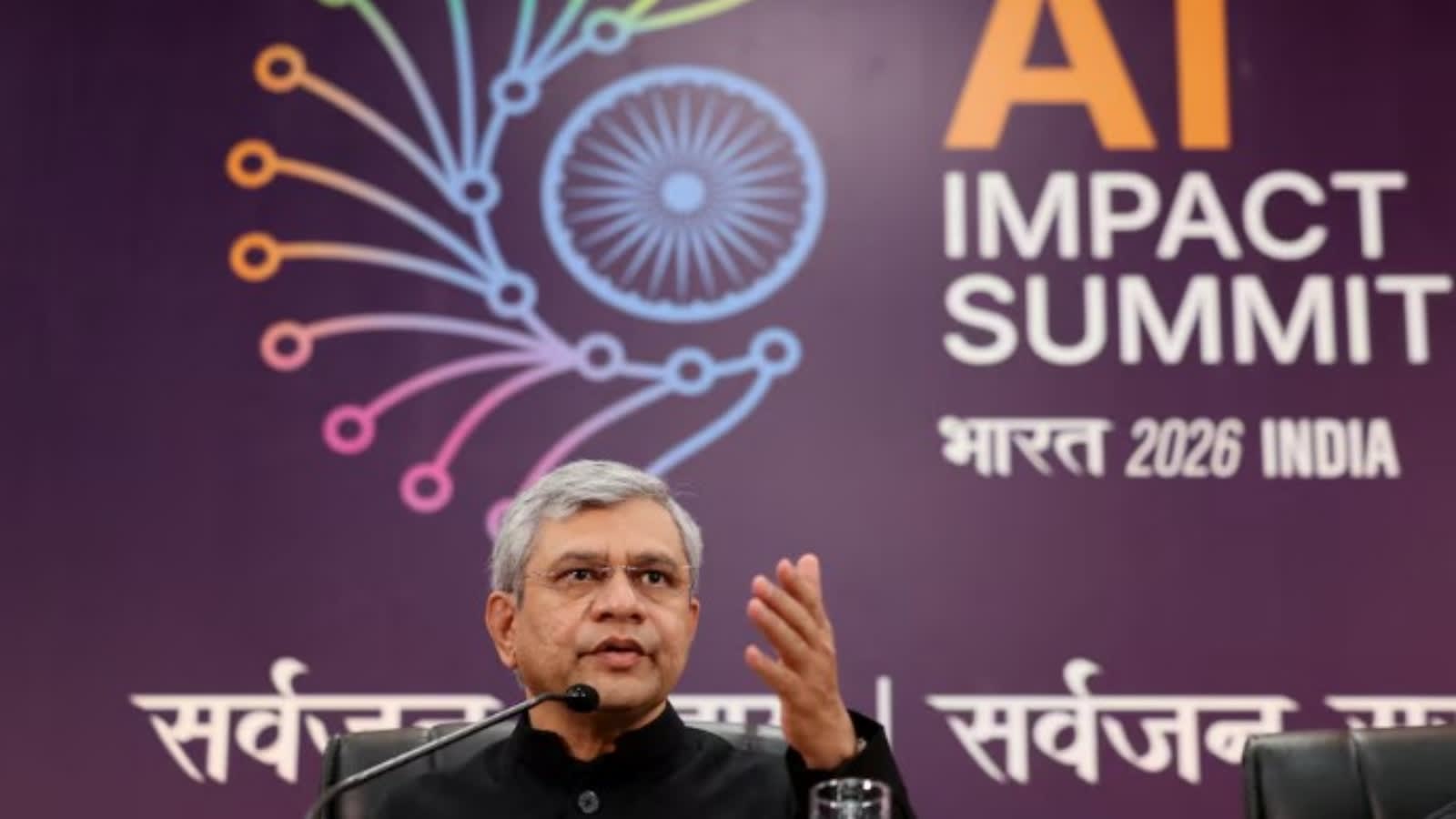
The Indian Ministry of Electronics and Information Technology is drafting a standalone law to regulate AI, focusing on deepfakes and agentic autonomy. The framework aims to implement consent-based systems and regulatory sandboxes for high-risk AI applications.
India's Proposed AI Legislation: A New Regulatory Frontier
The Ministry of Electronics and Information Technology (MeitY) has initiated a pivotal move toward establishing a standalone legal framework specifically designed to govern artificial intelligence. By moving beyond the existing Information Technology Act, 2000, the government acknowledges that the rapid evolution of AI—particularly in fields like generative media and autonomous systems—requires specialized legislative tools. This proactive approach underscores India's intent to position itself as a global leader in responsible AI governance.
Addressing the Challenge of Synthetic Media
Central to the proposed legislation is the development of a consent-based framework for synthetically-generated content, commonly known as deepfakes. As AI-generated media becomes increasingly indistinguishable from reality, the potential for misinformation and identity misappropriation has surged. By mandating consent, the Ministry aims to empower individuals and protect intellectual property, ensuring that digital identities are not exploited by automated systems without explicit authorization.
Curbing Agentic AI Autonomy
Beyond deepfakes, the government is examining the risks posed by 'agentic AI'—systems capable of performing complex tasks with minimal human intervention. While these agents promise significant productivity gains, their increasing autonomy presents unique challenges regarding accountability and decision-making. The proposed curbs seek to ensure that these systems remain within defined boundaries, preventing them from acting in ways that could compromise safety or security standards.
The Role of Regulatory Sandboxes
To balance innovation with safety, the Ministry is exploring the implementation of regulatory sandboxes for high-risk AI applications. These controlled environments allow developers to test emerging technologies under the oversight of regulators before full-scale deployment. This methodology minimizes potential societal harm while fostering a conducive environment for startups and tech companies to innovate within clear, manageable parameters.
Legislative Independence and Future Implications
By opting for a standalone law rather than incorporating AI provisions into the legacy IT Act, the government is signaling a shift toward a more agile, modern regulatory regime. This decision reflects an understanding that AI is a transformative technology that does not fit neatly into the definitions established over two decades ago. As the cyber laws division continues its formulation process, the focus will likely remain on creating a robust architecture that protects citizens while maintaining India's competitive edge in the global digital economy.
Conclusion
In summary, India's move to codify AI regulation marks a critical juncture in the nation’s technological maturity. By addressing the immediate threats of synthetic content and autonomous agents through a combination of consent mandates and sandboxed testing, the government is setting a precedent for a balanced, ethical, and sustainable AI ecosystem. The success of this legislation will depend on how effectively it addresses the complexities of AI development while providing developers with the clarity needed to innovate.