Meta is testing an AI bedtime story app for people with no imagination
Source Entity
Amanda Silberling
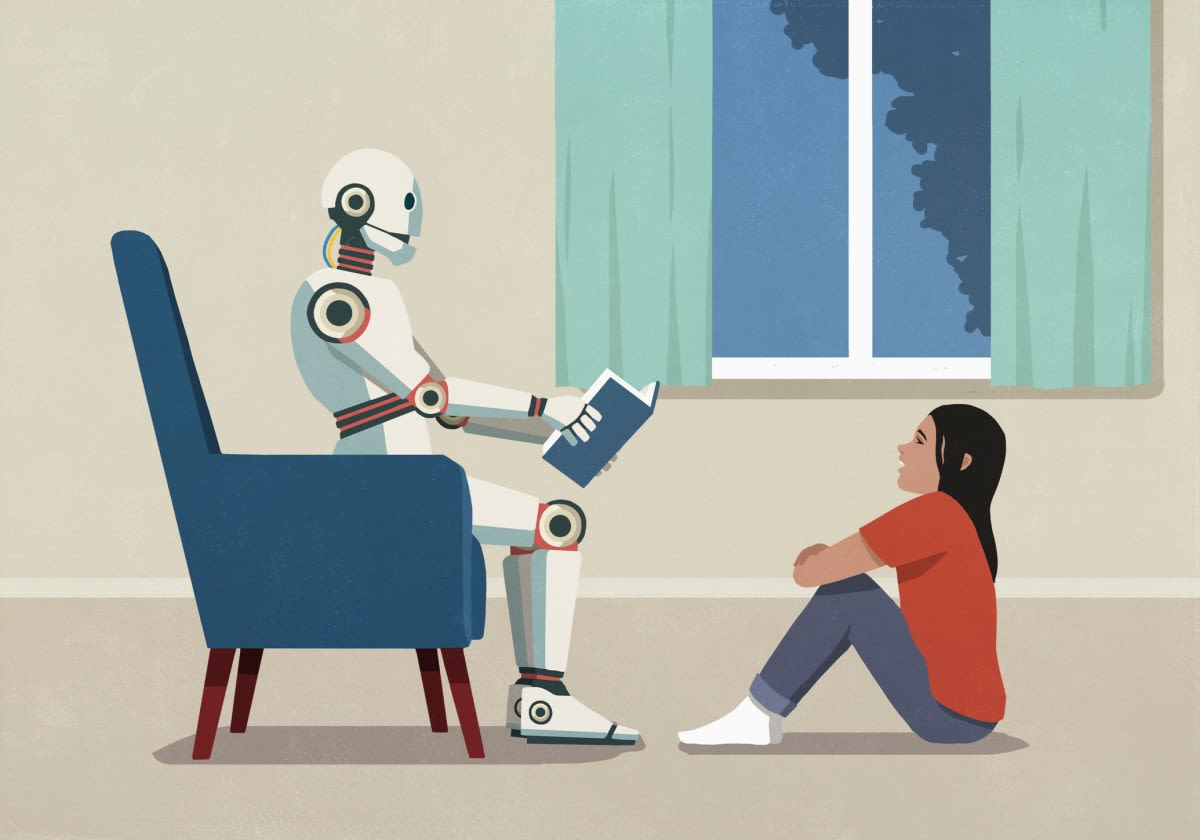
Meta is piloting a new AI-powered storytelling application called StoryKit, designed to generate personalized children's books without requiring user input. The app aims to simplify bedtime reading by automating the creation of narratives, characters, and music under strict safety guidelines.
Meta’s Entry into Generative Storytelling
Meta has officially entered the generative AI space for family-oriented content with the development of StoryKit. This new application, currently being piloted in select markets, aims to automate the bedtime story experience by generating custom characters, settings, moral lessons, and even accompanying music. By promising parents that they "don’t need to write a single word," Meta is positioning itself at the intersection of convenience and creative technology, effectively outsourcing the traditional narrative process to large language models.
The Mechanics of Automated Imagination
The core value proposition of StoryKit lies in its ability to synthesize complex, personalized narratives on demand. By leveraging generative AI, the app removes the barrier of entry for parents who may lack the time or creative inclination to craft original stories. However, this shift raises questions about the role of human-led creative play. While the tool is designed to foster a "personalized, imaginative" experience, it represents a fundamental change in how stories are constructed, moving from a collaborative, human-driven activity to an algorithmic service.
Strategic Safety and Regulatory Compliance
Recognizing the sensitivity of content targeting children, Meta has implemented specific guardrails for StoryKit. The company confirmed that the app utilizes rigorous AI safety filters to ensure that the generated content remains appropriate for its intended audience. Furthermore, in a strategic move to mitigate privacy and safety concerns, the app is restricted to users over the age of 18 and functions without social features. This design choice isolates the user experience, preventing the common risks associated with public-facing social media platforms while maintaining a focus on the parent-child interaction.
Examining the Tech-Life Balance
The introduction of StoryKit highlights a broader trend in the tech industry: the automation of domestic life. By digitizing the bedtime story, Meta is attempting to solve the "imagination gap" for time-poor parents. Yet, this development invites a deeper analysis of the relationship between technology and human development. If the process of storytelling is entirely outsourced, the traditional developmental benefits of parents and children co-creating narratives—such as vocabulary building and emotional bonding—may be altered, if not entirely replaced, by algorithmic output.
Future Trends and Market Implications
As Meta continues its pilot program, the success of StoryKit will likely hinge on parental adoption and the quality of the AI-generated output. If the app proves effective, it could spark a wave of specialized, AI-native educational tools that prioritize efficiency over active participation. Future iterations may see deeper integration with other Meta platforms, though the company currently remains focused on a standalone, controlled environment. Whether this signifies the future of early childhood entertainment or a temporary experiment in AI utility remains to be seen.