India to export 654MW of power to flood-hit Nepal daily till Dec 31
Source Entity
ATUL MATHUR
India has approved the export of up to 654 MW of electricity to Nepal to mitigate severe power shortages caused by recent catastrophic floods. This support provides an 18-hour daily supply through December to help the nation recover its damaged energy infrastructure.
India Extends Crucial Energy Lifeline to Flood-Ravaged Nepal
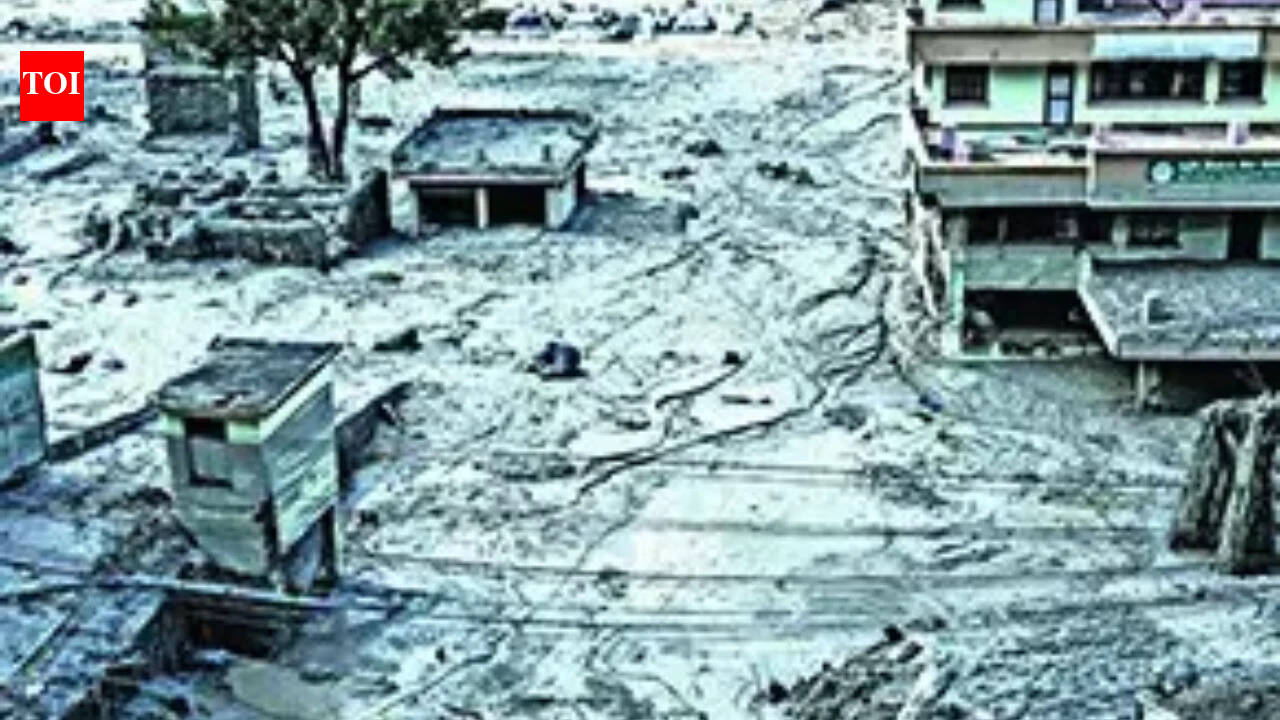
In a significant diplomatic and humanitarian gesture, the Indian government has officially approved the expedited export of electricity to Nepal to address a critical energy crisis. Following devastating floods that have claimed over 1,300 lives and inflicted widespread destruction upon Nepal's hydropower infrastructure, the Ministry of Power in India has authorized the supply of up to 654 MW of power daily. This intervention serves as a vital lifeline for a nation grappling with a sharp reduction in its domestic generation capacity.
Strategic Energy Cooperation
The approved arrangement allows for the export of electricity to the Nepal Electricity Authority for 18 hours a day, specifically from midnight to 6 pm. This window is strategically designed to cover crucial solar-generation hours, ensuring that Nepal maintains stable grid operations despite the loss of its own hydroelectric assets. The supplies are being routed through the Muzaffarpur-Dhalkebar 400 kV double-circuit line (up to 600 MW) and the Tanakpur-Mahendranagar 132 kV single-circuit line (up to 54 MW).
Mitigating Infrastructure Collapse
Hydropower is the backbone of Nepal’s energy sector, but the recent natural disaster proved the vulnerability of this infrastructure to extreme climate events. By providing this electricity, India is not only preventing a total power blackout in the Himalayan nation but also facilitating a recovery period that allows Nepal to begin the arduous task of repairing its damaged turbines and transmission networks. This move underscores the deep, longstanding energy cooperation between the two neighbors.
Implementation and Future Outlook
The current approval, which took effect on September 13, is slated to remain in force until December 31. The Ministry of Power has already established a forward-looking mechanism to manage this dependence, noting that the quantum of power to be exported starting from January 2027 will be subject to a formal review in December 2026. This indicates a commitment to long-term stability rather than a mere short-term fix.
Broader Regional Implications
This development highlights the importance of regional power grids in South Asia. As climate change increases the frequency of extreme weather events in the Himalayan region, the ability of countries to rely on cross-border energy sharing becomes a matter of national security and economic survival. India’s swift response demonstrates its role as a regional anchor, reinforcing its commitment to supporting Kathmandu during humanitarian emergencies.
Conclusion
In summary, India's decision to export 654 MW of power to Nepal is a vital intervention that addresses an immediate humanitarian need while stabilizing the regional energy market. By balancing the urgent demands of a disaster-stricken neighbor with a structured, reviewable energy agreement, the two nations are further solidifying their bilateral ties. This collaboration ensures that Nepal can navigate its recovery phase with the essential electricity required to sustain life and essential services.
Multiple Citing Sources