Iran-backed Houthis cross Trump’s red line: POTUS adviser vows response over Bab el-Mandeb crisis?
Source Entity
Latest News: Todays Latest News Headlines from India & World | Hindustan Times | Hindustan Times
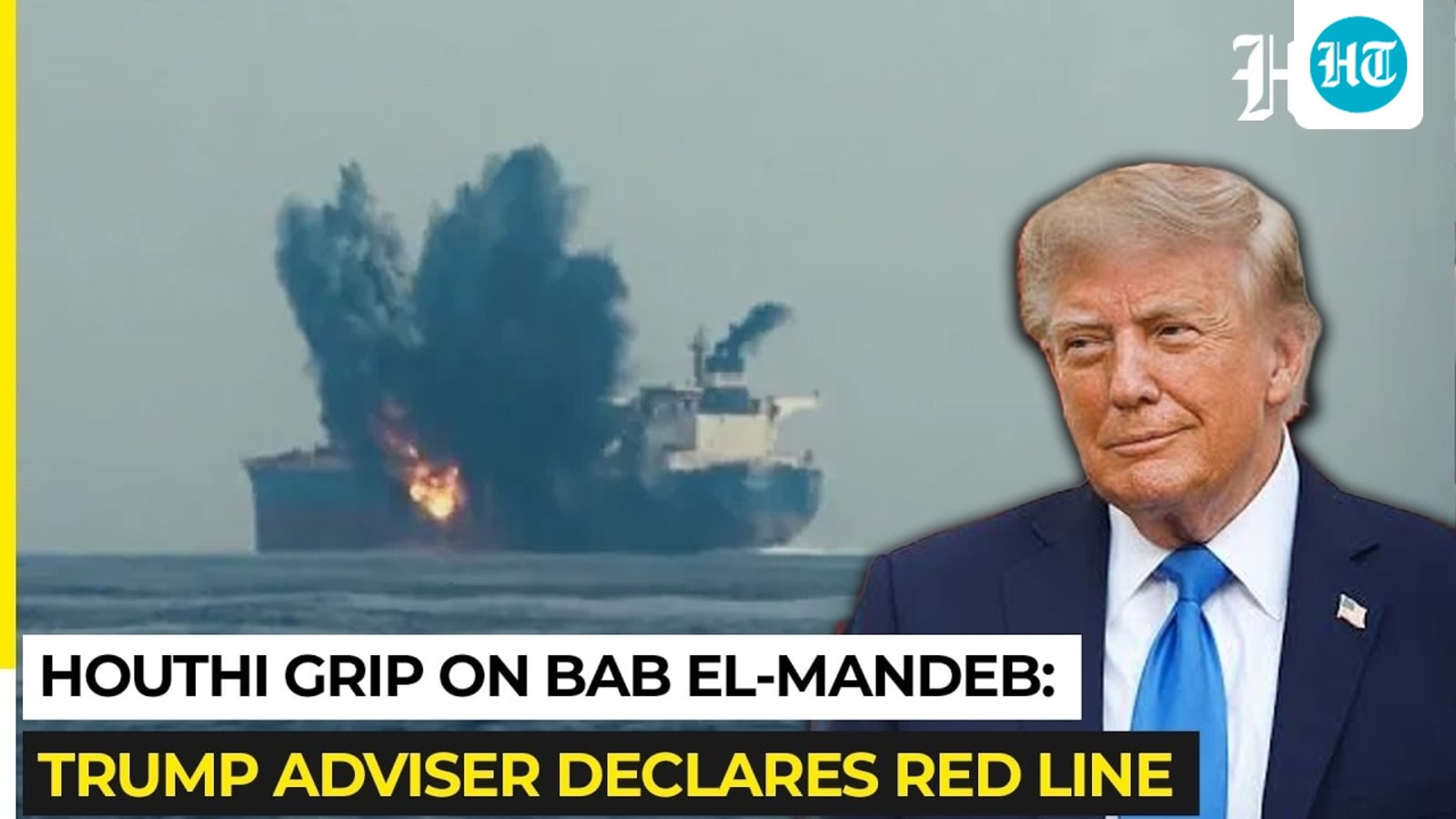
Senior White House adviser Massad Boulos has signaled a firm US commitment to securing Red Sea navigation, labeling threats to the Bab el-Mandeb strait a 'red line.' Washington is currently engaged in daily military coordination with regional partners, including Saudi Arabia and the UAE, to address these security challenges.
The Red Sea Crisis: A New Strategic Red Line
Recent statements from senior White House adviser Massad Boulos have brought the precarious security situation in the Red Sea to the forefront of American foreign policy. Speaking from Dubai, Boulos emphasized that the security of the Bab el-Mandeb strait—a critical maritime chokepoint—is considered a definitive "red line" by the Trump administration. This declaration underscores a recalibration of US priorities in the Middle East, moving toward a more integrated security posture with regional allies to ensure global trade flows remain uninterrupted.
Coordinated Regional Diplomacy and Defense
The administration’s strategy relies heavily on daily military coordination with key regional powers, specifically Saudi Arabia and the UAE. By maintaining these high-level lines of communication, the US aims to create a unified deterrent against Iran-backed Houthi activities that have threatened commercial navigation. This collaborative approach suggests that Washington is moving away from unilateral actions, preferring a coalition-based framework to address maritime threats that affect the global economy.
Strategic Ambiguity as a Tool
While Boulos was explicit about the "red line" status of the Bab el-Mandeb, he intentionally avoided detailing specific military responses. This strategic ambiguity serves as a calculated psychological deterrent. By refusing to announce concrete steps, the administration keeps adversaries guessing regarding the scope and timing of potential US interventions, thereby maintaining leverage without prematurely committing to a specific military trajectory.
Broader Regional Stability Efforts
Beyond the immediate maritime crisis, the administration’s focus extends to broader regional stabilization efforts. Boulos highlighted ongoing US involvement in addressing the humanitarian catastrophe in Sudan and proactive measures to fortify the Lebanese Army. These initiatives reflect a holistic approach to Middle Eastern policy, where security in the Red Sea is inextricably linked to the internal stability of neighboring nations and the containment of regional proxy conflicts.
Future Implications and Conclusion
The situation in the Bab el-Mandeb remains a volatile intersection of geopolitical rivalry and economic necessity. As Washington continues to balance its "red line" commitment with the complexities of regional diplomacy, the effectiveness of this approach will depend on the sustained cooperation of Arab partners. Looking ahead, the administration's ability to maintain this coalition while addressing humanitarian crises like that in Sudan will define the success of its broader Middle Eastern doctrine.
Verification Required?