India at Asian Games 2026 Day 8, September 26: Full schedule, venue, fixtures & time
Source Entity
The Indian Express
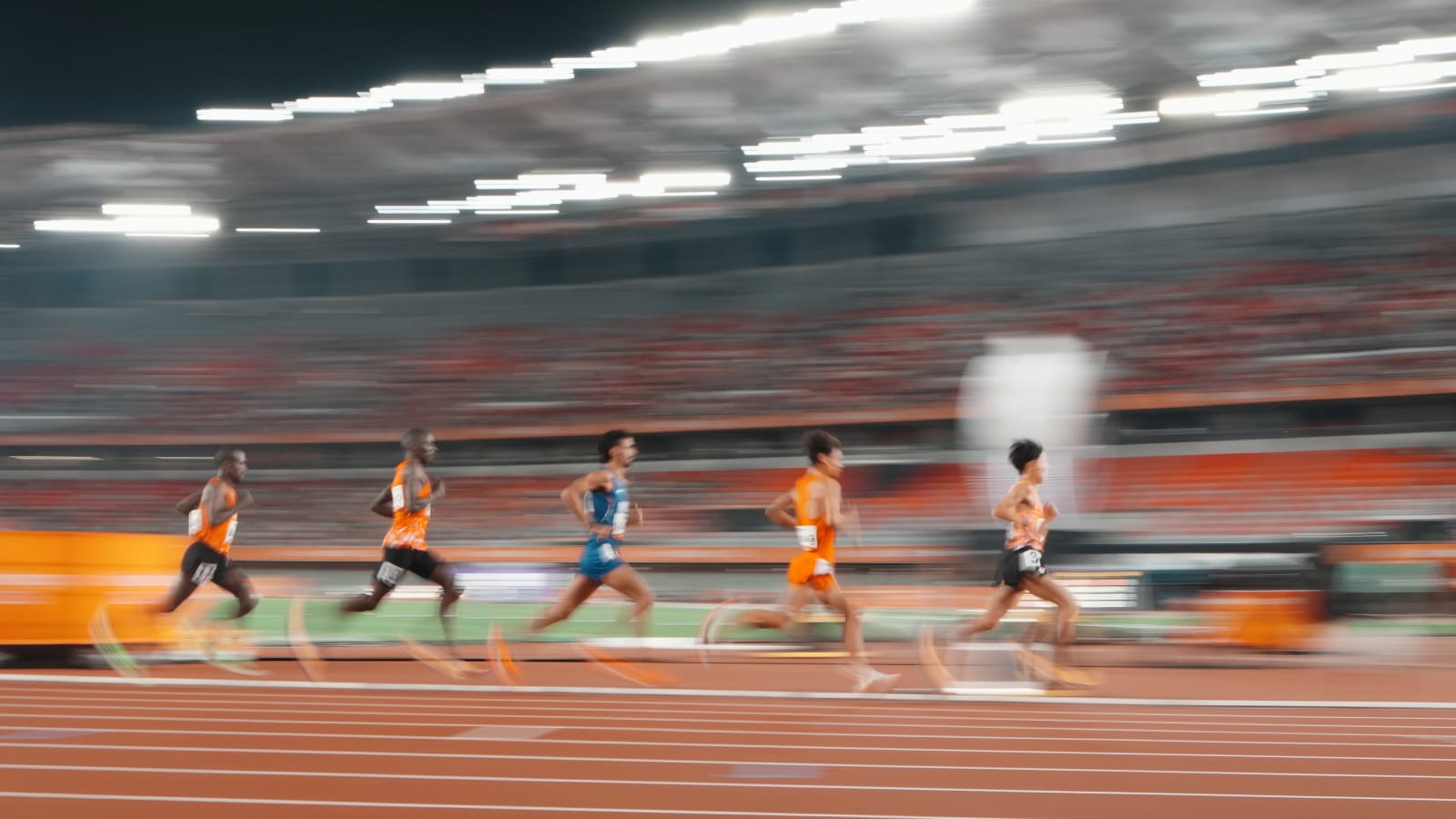
Indian athletes are demonstrating remarkable resilience and versatility at the Asian Games, evidenced by gold-medal shooting performances and success in track and field. Tejaswin Shankar's evolution into a decathlete highlights the rigorous physical transformation required for elite multi-event competition.
Resilience and Redemption: India’s Asian Games Triumph
The narrative of the Asian Games is often defined by the extreme psychological and physical demands placed upon elite athletes. The recent gold-medal performance by shooters Suruchi Phogat and Kamaljeet Singh serves as a poignant study in how differing coping mechanisms can lead to shared success. After suffering individual event disappointments, the pair faced the daunting task of recalibrating their focus. Their divergent responses—Suruchi’s 13-hour recovery sleep versus Kamaljeet’s restless four-hour cycle—underscore the highly personal nature of athletic recovery.
Tactical Precision Under Pressure
Despite their contrasting pre-event states, the duo demonstrated exceptional synergy in the 10m air pistol mixed team event. Drafted together at the last minute, their ability to combine for 484.6 points—a new Asian Games record—highlights the depth of talent within the Indian shooting contingent. By outperforming the South Korean pair of Choo Gaeun and Hong Suhyeon and the Iranian team, Phogat and Singh have cemented their status as a formidable pairing, proving that tactical adaptability is as crucial as technical skill in high-pressure environments.
A Surge in Track and Field
Beyond the shooting range, India’s presence in athletics has reached a new zenith. The recent success of Gulveer Singh, who secured a silver medal in the 10,000m, mirrors a broader trend of sustained performance within the Indian track and field camp. This achievement builds upon the momentum generated by Seema Kumari’s bronze in the women’s 10,000m, indicating a strategic elevation in India’s long-distance running capabilities on the continental stage.
The Anatomy of a Decathlete
Perhaps the most striking evolution in the Indian contingent is the physical transformation of Tejaswin Shankar. Transitioning from a high jumper, characterized by a lean frame and a high center of mass, to a decathlete required a fundamental overhaul of his physiology. Strength and conditioning expert Wayne Lombard notes that Shankar’s shift from a 78kg frame to a robust 90kg muscular build was essential to handle the diverse demands of the ten-event decathlon. This transition is not merely cosmetic; it represents the rigorous scientific approach now being applied to Indian sports training.
Future Trends and Strategic Implications
These results point toward a future where Indian athletes are increasingly competitive across multiple disciplines. The combination of psychological resilience, as seen in the shooters, and the long-term physiological planning observed in Shankar’s training, suggests a maturing sporting ecosystem. As these athletes continue to refine their craft, the focus will likely remain on optimizing recovery times and sports-science-led conditioning to sustain these world-class performance levels in future international competitions.
Multiple Citing Sources