An auto accident nearly derailed Kamaljeet’s career, today he is an Asiad gold medallist
Source Entity
Nitin Sharma
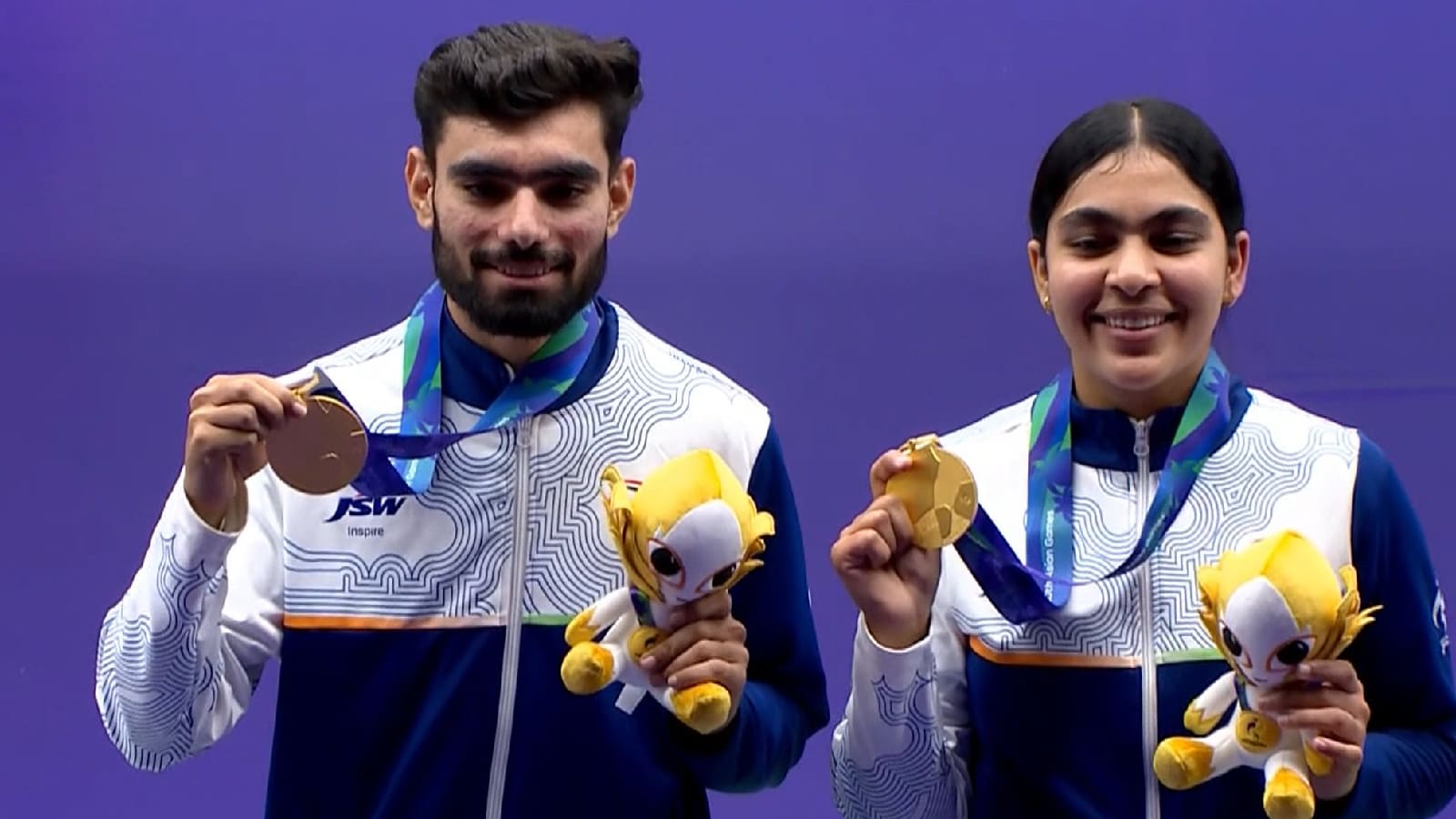
Indian athletes are demonstrating remarkable resilience and physical evolution at the Asian Games and beyond. From record-breaking shooting gold to track success and specialized decathlon training, Indian competitors are achieving new milestones on the international stage.
Triumphs of Resilience: India's Asian Games Performance
The recent performances by Indian athletes at the Asian Games underscore a profound narrative of mental fortitude and physical adaptation. In the shooting arena, the contrasting recovery methods of Suruchi Phogat and Kamaljeet Singh highlight the diverse ways elite athletes process the pressure of high-stakes competition. While Phogat opted for restorative sleep, Singh’s restless night reflected the internal turmoil following an individual disappointment. Yet, their ability to channel these disparate experiences into a collective, record-breaking performance in the 10m air pistol mixed team event—scoring 484.6 points—speaks volumes about the psychological maturity required to excel at the continental level.
The Collective Victory
The success of Phogat and Singh is particularly significant because they were paired at the last minute. This spontaneity, coupled with the pressure of the final, makes their achievement of an Asian Games record even more impressive. By outpacing strong contenders from South Korea and Iran, the duo has solidified India's growing dominance in shooting, transforming individual setbacks into a unified national success story.
Advancements in Athletics
Beyond the shooting range, India’s athletics contingent continues to display an upward trajectory. Gulveer Singh’s silver medal in the 10,000m event, following Seema Kumari’s bronze, illustrates a sustained period of growth for Indian long-distance running. These successes are not isolated incidents but rather part of a broader trend of Indian athletes consistently securing podium finishes in diverse track and field disciplines, reflecting improved training standards and competitive exposure.
The Science of Physical Transformation
The physical evolution of athletes like Tejaswin Shankar provides a fascinating case study in sports science. Shankar’s transition from a lean high jumper to a robust decathlete—gaining 12kg of muscle mass over nine years—highlights the importance of specialized strength and conditioning. Expert Wayne Lombard’s assessment of Shankar’s anthropometric shift demonstrates how elite athletes are increasingly utilizing data-driven approaches to optimize their bodies for the grueling demands of multi-event disciplines.
Broader Implications and Future Trends
These combined achievements signal a shift in India’s sporting landscape. The emphasis on individual mental health management, the tactical flexibility in team events, and the rigorous scientific approach to physical development are hallmarks of a modernizing sports culture. As Indian athletes continue to break records and transition across disciplines with scientific precision, the nation is likely to see a continued surge in international competitiveness. The future of Indian sports appears to be defined by this fusion of grit, adaptability, and empirical training methodologies.
Multiple Citing Sources