Cabinet clears new Rs 62,500 crore mobile manufacturing scheme, Indian-brand phones to get fresh push
Source Entity
Soumyarendra Barik
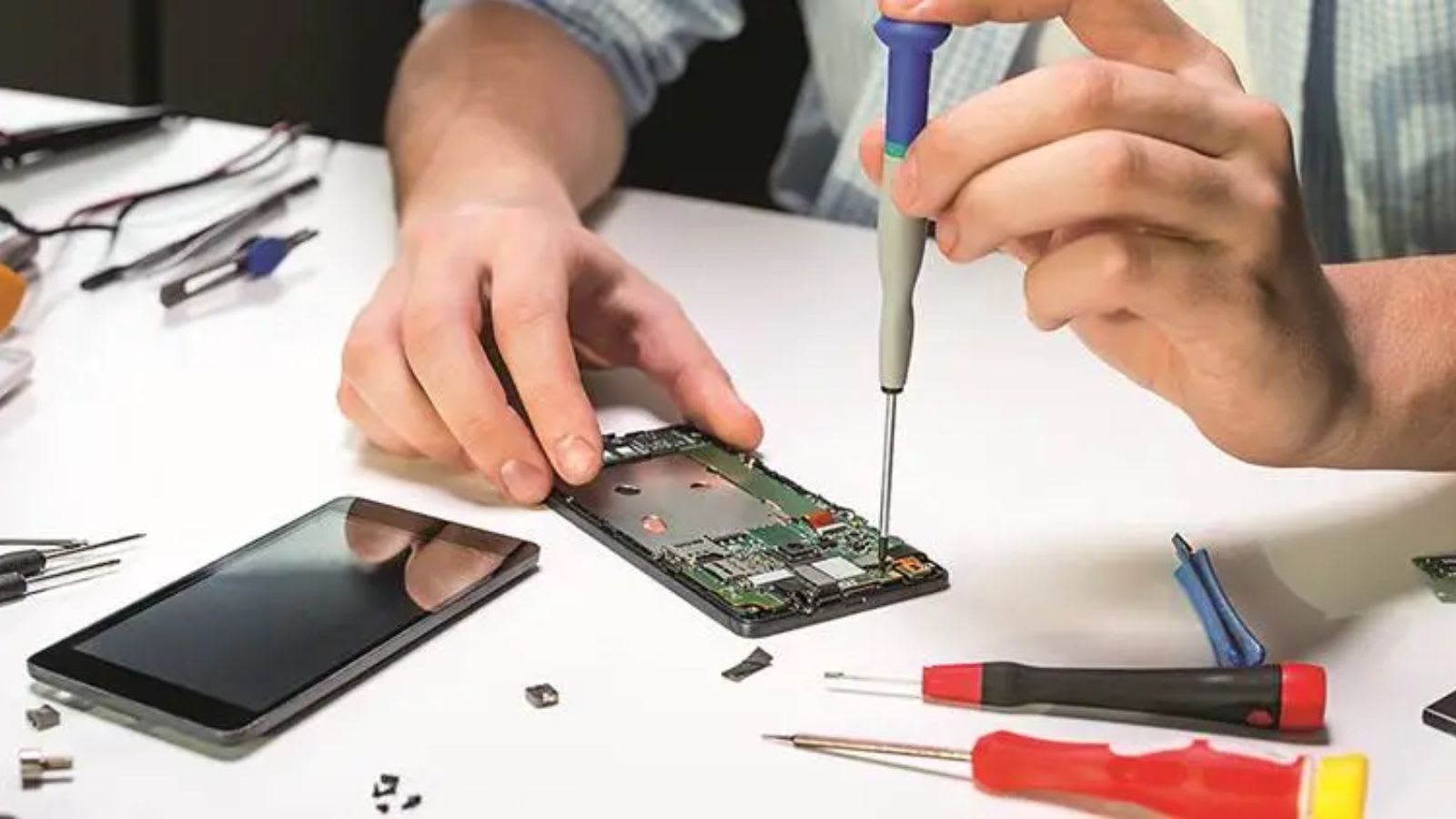
The Indian Union Cabinet has approved a massive ₹62,500 crore mobile manufacturing scheme. This new initiative serves as a follow-on to the previous Production Linked Incentive (PLI) scheme, shifting the focus from simple assembly to the promotion and growth of indigenous Indian smartphone brands.
Strengthening the Digital Backbone: Analysis of India's ₹62,500 Crore Mobile Manufacturing Push
The Union Cabinet's recent approval of a ₹62,500 crore mobile manufacturing scheme represents a pivotal evolution in India's industrial strategy. While previous efforts focused heavily on attracting global giants to set up assembly lines within the country, this new initiative is explicitly designed to provide a fresh push to indigenous Indian-brand phones. By allocating such a significant financial corpus, the government is signaling a transition from being a global assembly hub to becoming a center for original equipment manufacturing (OEM) and brand ownership.
The Evolution from Assembly to Indigenous Branding
To understand the significance of this move, one must look at the trajectory of the initial Production Linked Incentive (PLI) scheme for smartphone assembly. The first phase of the PLI was remarkably successful in bringing companies like Apple and Samsung to scale their operations within India, significantly increasing the volume of handsets produced locally. However, a critical critique of that phase was the prevalence of 'screwdriver assembly'—where components were imported and merely put together. The new ₹62,500 crore scheme seeks to rectify this by incentivizing the actual manufacturing of components and the creation of homegrown brands, thereby capturing a larger share of the value chain.
Economic Implications and Trade Balance
From an economic perspective, this scheme is a strategic strike against the trade deficit, particularly concerning electronics imports. By fostering Indian brands, the government aims to reduce the heavy reliance on imported finished goods and high-value components from East Asian markets. The ripple effect of this investment is expected to stimulate the growth of a domestic ecosystem of SMEs (Small and Medium Enterprises) that can supply specialized parts, from circuit boards to camera modules, creating a more resilient and self-reliant supply chain under the 'Atmanirbhar Bharat' vision.
Job Creation and Skill Development
Beyond the balance sheets, the scale of this investment suggests a massive potential for employment generation. The shift toward indigenous branding and deeper manufacturing requires not just factory workers, but a surge in high-skilled labor, including industrial designers, software engineers, and supply chain experts. As Indian brands scale, there will be an increased demand for R&D centers within the country, which will likely stem the 'brain drain' of engineering talent and foster a culture of innovation in consumer electronics.
Navigating the Competitive Global Landscape
The path forward is not without challenges. Indian brands will have to compete with the massive marketing budgets and established ecosystems of global incumbents. However, the government's financial backing provides a critical cushion for local players to achieve economies of scale. If successful, this could lead to a scenario where Indian smartphones are not only dominant in the domestic market but also become competitive exports in emerging markets across Africa and Southeast Asia, mirroring the success seen in the pharmaceutical and software services sectors.
Future Outlook: A Global Electronics Hub
Looking ahead, this scheme is likely to act as a catalyst for the next generation of mobile technology in India, including 5G and 6G integration. By controlling the brand and the manufacturing process, India can better integrate its own digital public infrastructure (like UPI and ONDC) directly into the hardware layer. This synergy between hardware and software could define the next era of the Indian digital economy, transforming the nation from a primary consumer of technology into a primary architect of it.
Summary
In conclusion, the ₹62,500 crore mobile manufacturing scheme is more than just a financial incentive; it is a strategic pivot toward technological sovereignty. By building on the assembly success of the PLI and focusing on indigenous brands, India is positioning itself to climb the value chain, reduce import dependencies, and establish a sustainable, high-tech industrial base.