COP31: India seeks to strengthen climate engagement with small island nations
Source Entity
Amitabh Sinha
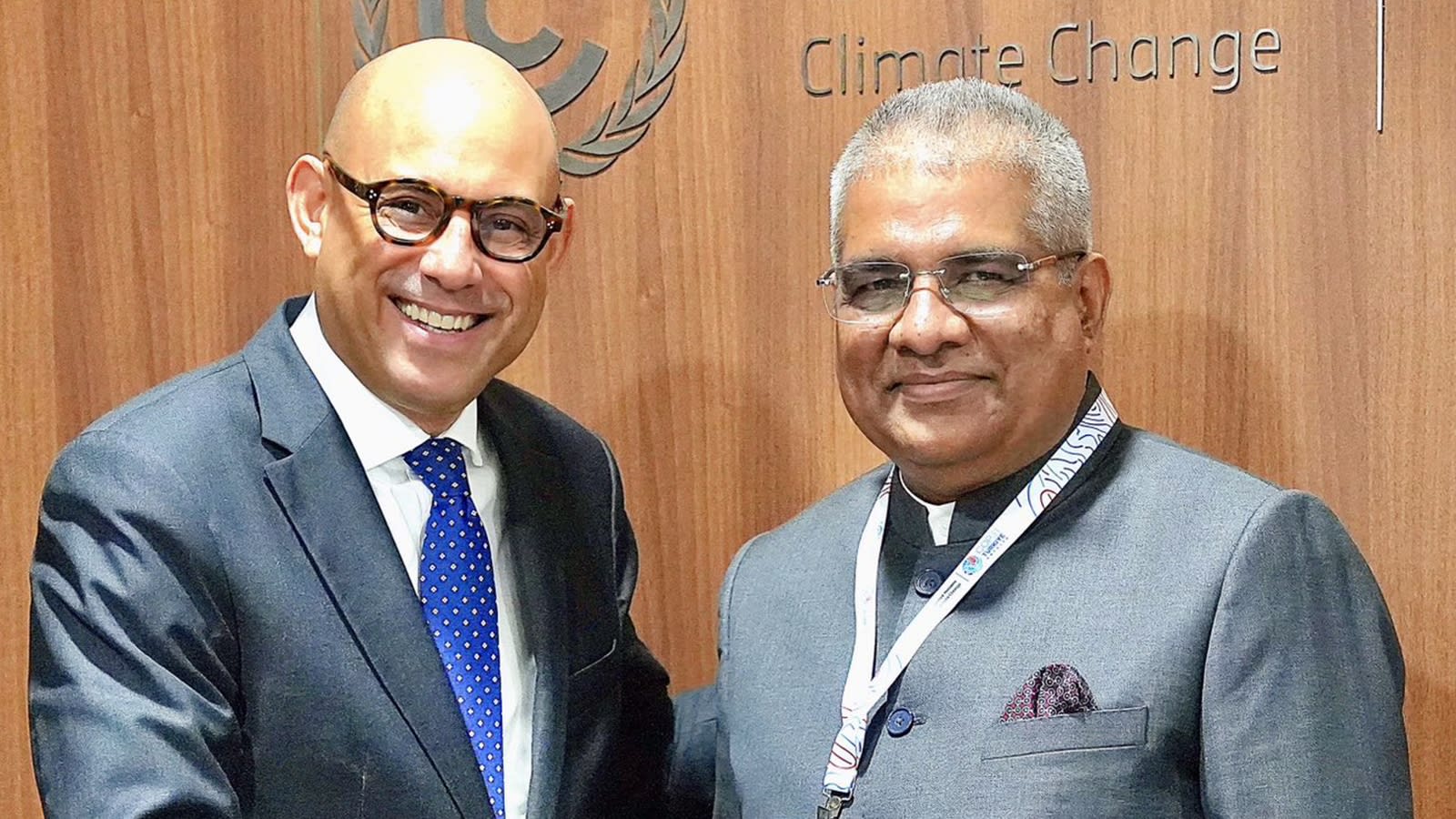
India has offered scientific and technological aid in renewable energy and disaster management to small island nations at the COP31 climate conference. Environment Minister Bhupender Yadav emphasized a mutual exchange of traditional ocean knowledge to bolster coastal resilience.
India Strengthens Climate Diplomacy with Small Island Nations at COP31
At the ongoing COP31 climate conference in Antalya, Turkey, India has taken a proactive step in bolstering international climate cooperation by offering its scientific and technological expertise to small island nations. This initiative marks a strategic shift toward deeper collaboration with regions that are disproportionately affected by the adverse impacts of global warming, such as rising sea levels and extreme weather events.
Integrating Technological Expertise and Resilience
The core of India’s proposal revolves around the deployment of renewable energy and the implementation of robust disaster management frameworks. By sharing its domestic advancements in solar and wind energy, India aims to assist these vulnerable nations in transitioning away from fossil fuels, thereby enhancing their energy security. Furthermore, the focus on disaster management suggests a commitment to helping these island states build infrastructure capable of withstanding the increasing frequency of climate-driven catastrophes.
The Importance of Traditional Knowledge
Beyond providing technical assistance, Environment Minister Bhupender Yadav highlighted the importance of a bidirectional knowledge exchange. India acknowledges that small island nations possess invaluable traditional knowledge regarding ocean health and coastal adaptation. This recognition is critical, as it validates the role of indigenous and local expertise in global climate strategies, moving away from a purely top-down, Western-centric scientific approach.
Economic and Ecological Security
Minister Yadav emphasized that healthy oceans and resilient coastlines are not merely environmental concerns but are foundational to economic security and ecological stability. For island nations, the ocean is the primary driver of their economies; thus, protecting these ecosystems is synonymous with protecting their national sovereignty and economic survival. India’s engagement seeks to support this stability through shared policy and technical frameworks.
Future Implications for Global Climate Policy
This roundtable at COP31 represents a growing trend of 'South-South' cooperation in the global climate arena. By fostering these partnerships, India is positioning itself as a leader among developing nations, effectively bridging the gap between scientific innovation and community-based adaptation. As the world navigates the complexities of the climate crisis, such alliances will be essential in creating a unified front that balances technological progress with traditional ecological wisdom.