"Alarming Apathy": India Condemns Century-Old Temple's Demolition In Pakistan
Source Entity
NDTV News Search Records Found 1000
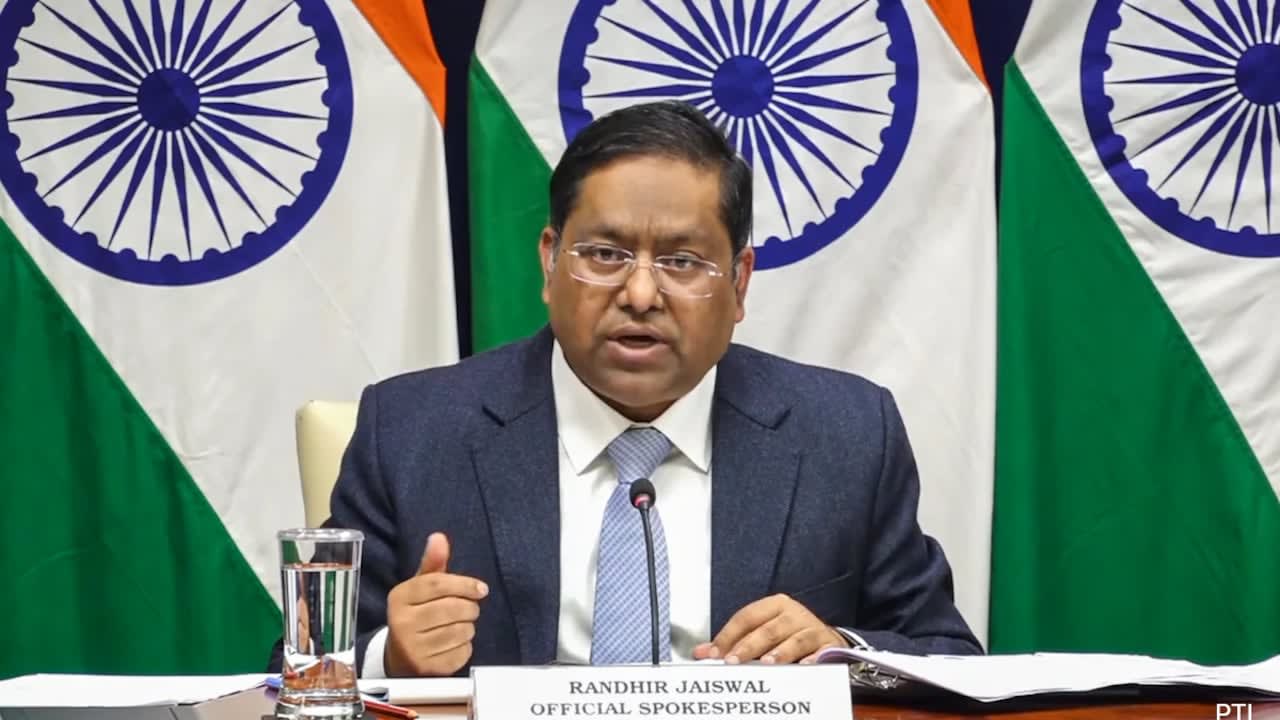
India has strongly condemned the demolition of a century-old Hindu temple in Pakistan's Narowal district. The Ministry of External Affairs criticized the local authorities for their apathy and demanded an immediate, transparent investigation into the vandalism.
India Condemns Destruction of Historic Temple in Pakistan
A Violation of Cultural and Religious Heritage
Recent reports confirming the demolition of a century-old Hindu temple in Siraj village, located in the Narowal district of Pakistan's Punjab province, have triggered a sharp diplomatic rebuke from New Delhi. The Ministry of External Affairs (MEA), through spokesperson Randhir Jaiswal, has officially expressed deep concern regarding the incident, characterizing the destruction as a 'reprehensible act of vandalism.' This event marks a significant point of tension, highlighting the ongoing challenges faced by minority communities in Pakistan regarding the preservation of their cultural and religious landmarks.
The Failure of State Protection
The Indian government has explicitly accused Pakistani authorities of 'alarming apathy' in their failure to safeguard the historic site. By allowing a structure of such antiquity to be destroyed, critics argue that the local administration has failed in its duty to protect the religious heritage of its minority populations. This incident is being viewed not merely as an isolated act of vandalism, but as a systemic failure to enforce the protection of places of worship that are integral to the identity of the Hindu community in the region.
Diplomatic Demands for Accountability
In response to the destruction, India has demanded that the government of Pakistan initiate a prompt and transparent investigation into the circumstances surrounding the demolition. The MEA has emphasized that accountability is essential, calling for remedial measures that go beyond simple condemnation. These measures include the restoration of the temple, which is seen as a necessary step to address the grievances of minority groups and demonstrate a genuine commitment to the safety and religious freedom of non-Muslim citizens.
Broader Implications for Bilateral Relations
This incident adds to a long history of strained relations between India and Pakistan, specifically regarding the treatment of religious minorities. The protection of sacred sites is frequently a subject of bilateral diplomacy, and the destruction of this temple serves as a stark reminder of the fragile state of minority rights across the border. Such events often exacerbate existing diplomatic friction, making it increasingly difficult to establish a constructive dialogue on humanitarian and cultural preservation issues.
Future Trends and Community Impact
Looking forward, the demand for the restoration of the Siraj village temple will likely become a focal point for international human rights organizations and minority advocacy groups. If the Pakistani authorities continue to demonstrate apathy, it may further alienate the minority population and draw additional international scrutiny toward Pakistan's human rights record. The incident underscores a recurring trend where the preservation of minority heritage remains hostage to political instability and a lack of institutional oversight.
Conclusion
The destruction of the century-old temple in Narowal is a deeply concerning development that highlights the vulnerability of historical religious sites in Pakistan. By calling for an immediate investigation and restoration, India has firmly placed the onus on the Pakistani state to rectify this act of cultural vandalism. Ensuring the safety of minority places of worship is a fundamental obligation of any state, and this case will serve as a litmus test for Pakistan’s commitment to religious tolerance and the rule of law.
Verification Required?