"Hope For Peace, Stability": India Condemns Houthi Drone Attack Near Mecca
Source Entity
NDTV News Search Records Found 1000
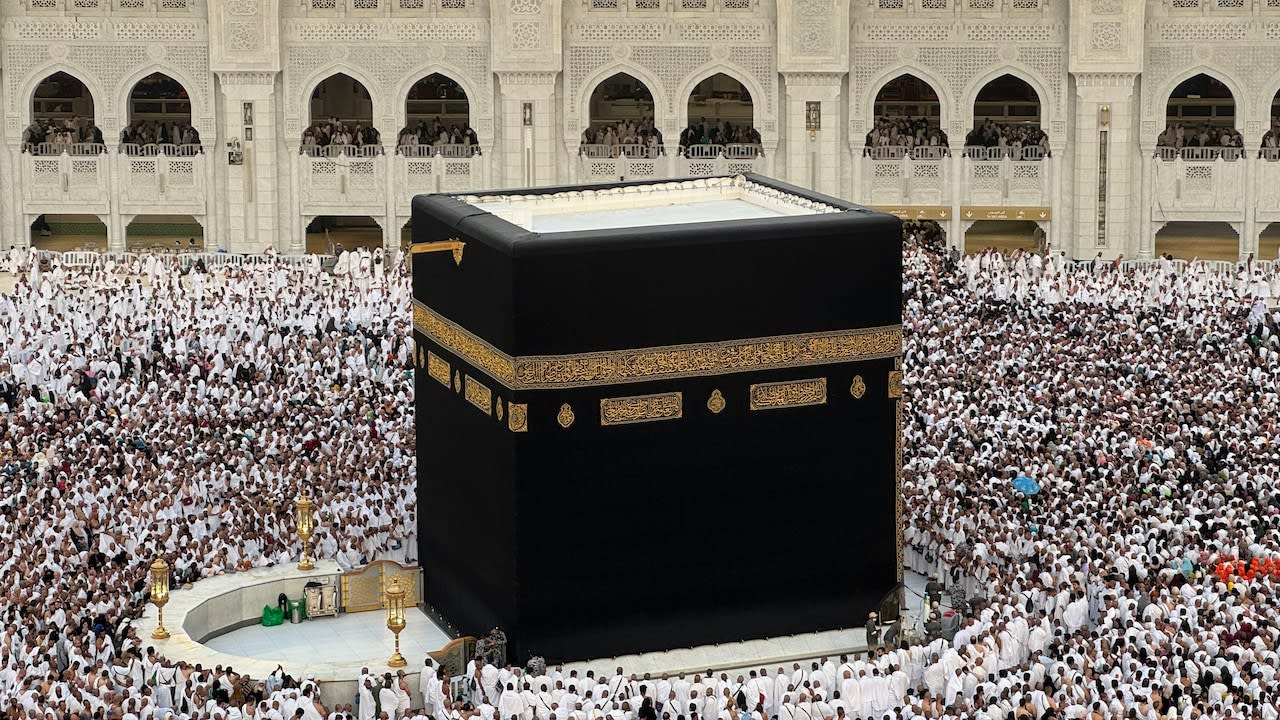
India has strongly condemned a failed Houthi drone attack near the holy city of Mecca, Saudi Arabia. New Delhi emphasized that such strikes threaten regional stability and civilian infrastructure, calling for an urgent restoration of peace in West Asia.
India Condemns Houthi Aggression Near Mecca
India has officially expressed deep concern following an attempted drone attack by Houthi militants targeting the vicinity of Mecca in Saudi Arabia. The Ministry of External Affairs, represented by spokesperson Randhir Jaiswal, underscored that the incident is particularly alarming due to the immense religious and cultural significance of Mecca to millions of Muslims worldwide. By condemning this act, India has reiterated its principled stance against any aggression directed at the sovereign territory of Saudi Arabia.
The Security Implications of the Attack
The attempted strike, which was successfully intercepted and destroyed by Saudi authorities, represents a significant escalation in the ongoing regional tensions. While the drone was neutralized before reaching its target, the act itself highlights the persistent threat posed by Houthi militants to civilian infrastructure and economic assets. India’s statement serves as a firm reminder that such hostile actions not only endanger lives but also severely undermine the broader stability of the West Asian region.
Protecting Strategic Interests and Regional Stability
Beyond the immediate religious sensitivities, India’s condemnation is rooted in its concern for regional security. New Delhi has previously expressed alarm over Houthi strikes on critical economic infrastructure, noting that these actions threaten the freedom of navigation through the vital Bab-el-Mandeb strait. As a nation with significant economic and energy ties to the Gulf, India views the safety of these maritime corridors as paramount to its own national interests.
Diplomatic Stance and Calls for Peace
In its official response, India has called for the early restoration of peace and stability in West Asia. By advocating for a de-escalation of violence, India positions itself as a responsible stakeholder that favors diplomatic resolution over military confrontation. This stance aligns with India’s long-standing foreign policy of promoting regional order and discouraging actions that disrupt international norms and the safety of civilian populations.
Contextualizing the Houthi Threat
The incident near Mecca is part of a broader pattern of Houthi activity that has increasingly challenged the security architecture of the Arabian Peninsula. By specifically targeting areas of high symbolic value, the militants aim to exert maximum psychological and political pressure. India's swift condemnation reflects its commitment to supporting Saudi sovereignty and its opposition to the use of drone warfare against non-combatant targets.
Future Outlook and Regional Trends
Looking ahead, the stability of West Asia remains contingent on the cessation of such cross-border attacks. India’s proactive diplomatic engagement suggests that it will continue to monitor these developments closely, emphasizing the need for restraint. The international community, led by voices like India, continues to signal that the weaponization of civilian infrastructure will be met with firm diplomatic opposition, as the region navigates the complexities of ongoing conflicts and the search for a sustainable peace.
Multiple Citing Sources
Verification Required?