Government eases defence export SOP to help local manufacturers tap global market
Source Entity
Amrita Nayak Dutta
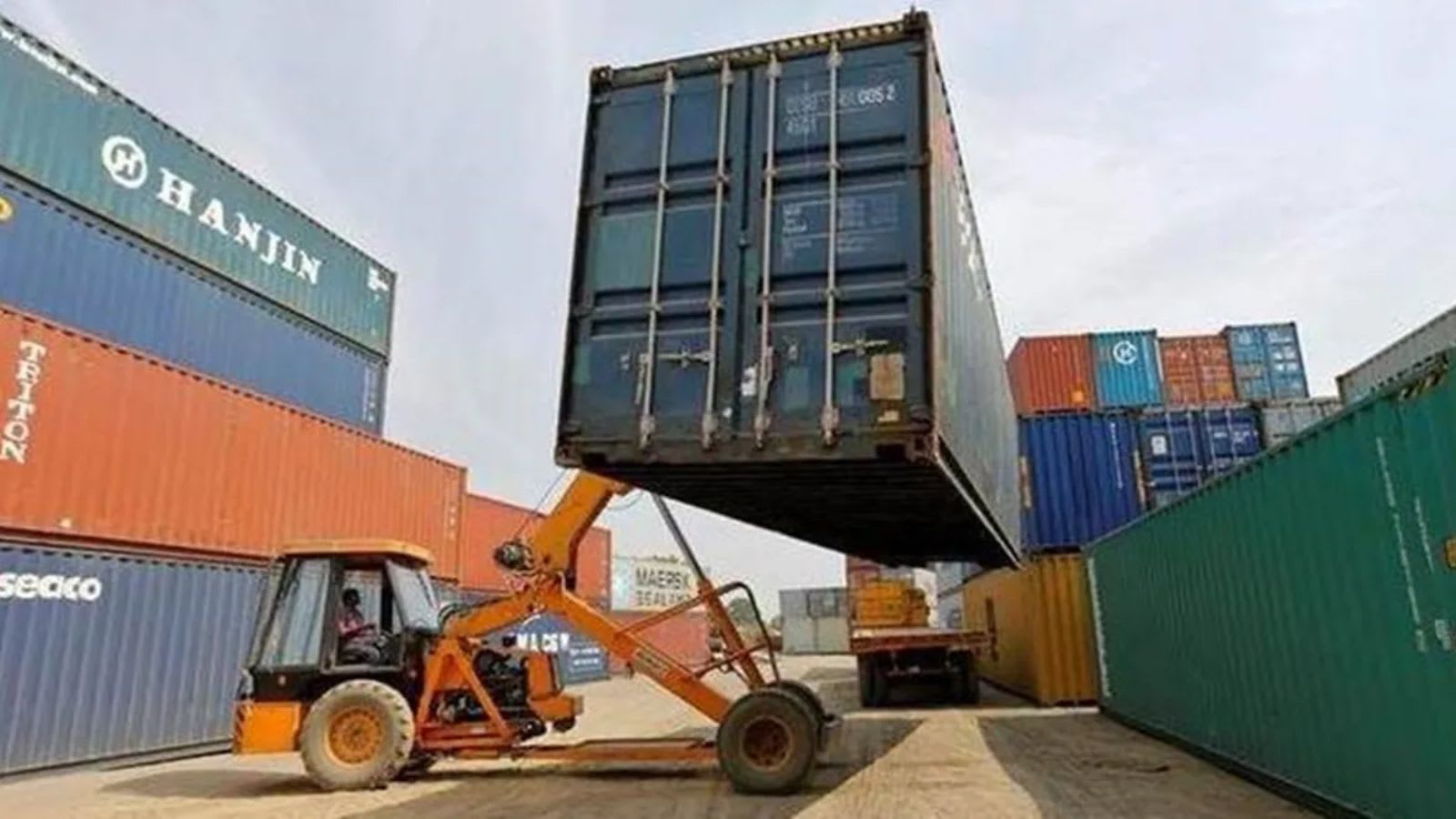
The Indian Defence Ministry has streamlined export procedures and expanded the Open General Export Licence framework to accelerate international market access. These reforms aim to cut bureaucratic red tape and support the government's ambitious goal of reaching ₹50,000 crore in defence exports by 2029-30.
India Streamlines Defence Exports to Bolster Global Competitiveness
In a significant move to transform the nation's industrial landscape, the Indian Ministry of Defence has introduced comprehensive reforms to its export procedures. By simplifying the Standard Operating Procedure (SOP) and overhauling the Open General Export Licence (OGEL) framework, the government is actively dismantling the bureaucratic hurdles that have historically slowed down Indian defence manufacturers. These changes are designed to empower domestic companies to respond with agility to international market opportunities, ensuring they can compete effectively on the global stage.
Cutting Bureaucratic Red Tape
A cornerstone of these reforms is the removal of mandatory stakeholder consultations for the export of most non-lethal defence items. By dispensing with the need for repetitive approvals from various government agencies for these categories, the ministry is significantly reducing the time-to-market for Indian firms. Furthermore, the requirement for such consultations has been entirely removed for companies participating in international tenders and exhibitions, allowing them to engage in global promotional activities with unprecedented speed.
Expanding the OGEL Framework
The Open General Export Licence (OGEL) has undergone a vital transformation. Previously, exporters faced tedious, batch-by-batch approval processes that hindered efficiency. The revised framework now allows for a one-time, standing authorization that enables eligible companies to self-generate export permits for multiple consignments. By extending the validity of these licences to two years, the ministry provides manufacturers with the long-term stability needed to manage complex international supply chains and multi-stage export contracts.
Strategic Economic Targets
These policy shifts are deeply rooted in the government's broader economic agenda, specifically the target of achieving ₹50,000 crore in defence exports by the 2029-30 fiscal year. This initiative follows a period of record-breaking production and export figures for the sector. By fostering an environment where Indian firms can leverage high-profile assets—such as the Brahmos missile—the ministry is signaling a shift toward becoming a prominent global supplier in the defence manufacturing ecosystem.
Maintaining National Security Safeguards
Despite the push for liberalization, the Ministry of Defence has maintained a firm stance on security. The relaxation of procedures for non-lethal exports is strictly governed by geographic and security-sensitive considerations. Exports to sensitive destinations remain subject to stringent oversight, ensuring that the drive for economic growth does not compromise India’s national security interests or international obligations. This balanced approach seeks to foster industry growth while upholding the state's regulatory responsibilities.
Future Implications and Trends
Looking ahead, these reforms represent a structural shift in how India interacts with the global arms market. By reducing the complexity of the export ecosystem, the government is likely to attract further investment into the defence manufacturing sector, encouraging both public and private players to scale their operations. As Indian companies become more adept at navigating these streamlined processes, the nation is well-positioned to transition from a major importer to a consistent, reliable, and competitive global exporter of advanced defence technology.