Opinion: Opinion | The Story Of How India Managed To Grow At 7.8% Even When Oil Was On Fire
Source Entity
NDTV News Search Records Found 1000
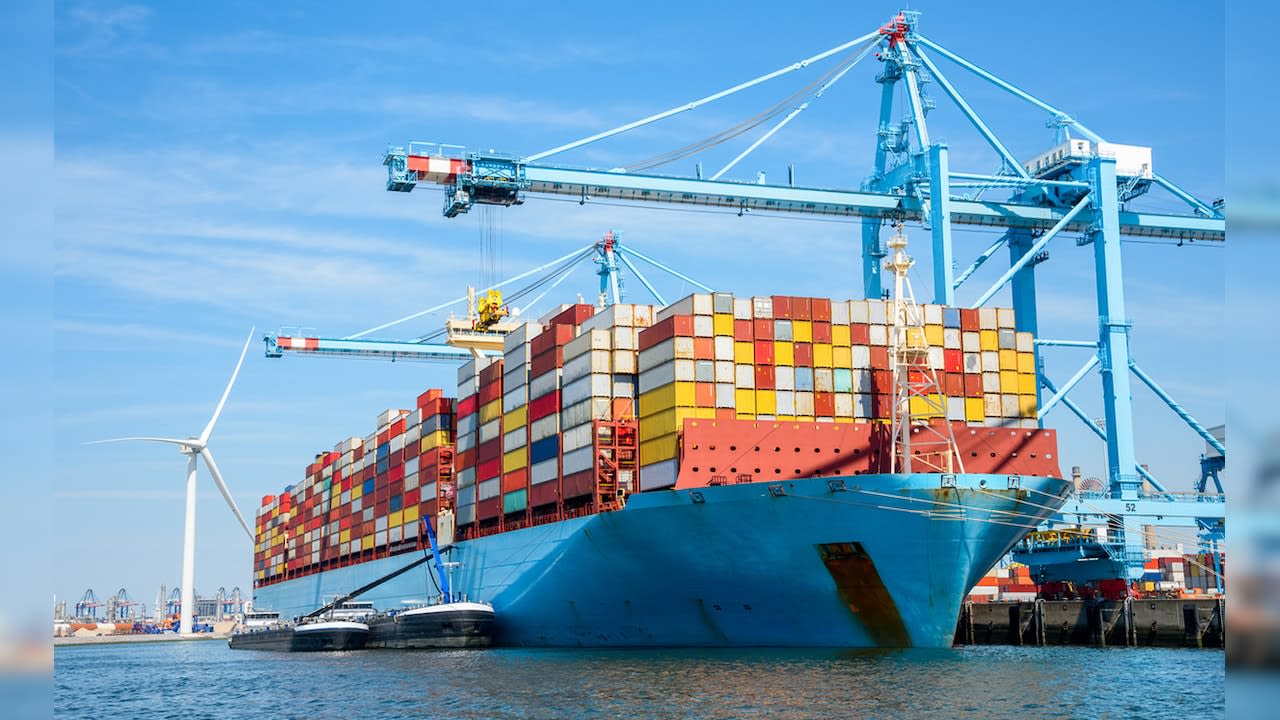
India's economy achieved a robust 7.8% GDP growth in the first quarter of FY 2026-27, driven by strong manufacturing and service sectors. This performance successfully navigated global headwinds, including oil price shocks and geopolitical instability in West Asia.
India's Economic Resilience: A Q1 Growth Analysis
Sustained Momentum Amidst Global Volatility
India’s economy has demonstrated remarkable fortitude by recording a 7.8% growth rate in the first quarter of the 2026-27 financial year. Despite facing significant headwinds—including the escalating conflict in West Asia and the disruptive impact of El Nino conditions—the nation managed to sustain growth that surpassed the initial projections of both the Reserve Bank of India (RBI) and various market analysts. This performance underscores the internal strength of the Indian market, which has effectively decoupled itself from global supply chain uncertainties.
The Pillars of Growth: Manufacturing and Services
At the heart of this expansion lies a revitalized manufacturing sector, which clocked an impressive 9.2% growth, complemented by a consistently high-performing services industry. The synthesis of these two pillars, bolstered by surging domestic demand, has created a buffer against the 'largest oil shock in the history of capitalism.' By leveraging increased investments and a steady uptick in exports, India has managed to maintain a growth trajectory that continues to outperform many other major global economies.
Upward Revisions and Statistical Accuracy
The National Statistics Office (NSO) has not only provided the current quarterly data but also revised previous financial year estimates upwards. Specifically, the March 2026 quarter growth was adjusted to 8.6%, reflecting the incorporation of more precise producer price indices. These revisions suggest that the economic foundation is more robust than previously modeled, providing a firmer base for future fiscal planning and instilling greater confidence among domestic and international investors.
Navigating Geopolitical and Environmental Risks
The ability of the Indian economy to thrive in the face of the Iran-related crisis and climate-induced El Nino events is a testament to structural economic reforms. While global analysts initially feared that the oil shock and subsequent supply chain disruptions would stifle growth, the actual data suggests that domestic consumption and industrial output were sufficient to offset these external pressures. Prime Minister Narendra Modi noted that this performance serves as a rebuttal to previous pessimistic forecasts regarding India's economic potential.
Future Outlook and Potential Risks
While the 7.8% growth figure is undeniably positive, it represents a moderation from the 8.6% recorded in the preceding quarter. Experts are now cautiously optimistic, noting that while the full-year growth estimate—previously pegged at 6.7% by the RBI—is likely to be revised upward, potential risks remain. The persistent nature of global uncertainties means that policymakers must remain vigilant to ensure that the current momentum does not decelerate in the coming quarters due to inflation or further international volatility.
Conclusion
In summary, India's Q1 performance reflects a resilient, consumption-led growth model that is capable of weathering significant external shocks. By outperforming expectations and maintaining a steady pace in manufacturing and services, the economy remains on a path of long-term expansion. Moving forward, the challenge will be to maintain this momentum while navigating the lingering effects of global geopolitical instability and environmental challenges.
Multiple Citing Sources
Verification Required?