The S&P 500 usually falls in September. Why this year should be different.
Source Entity
Christine Idzelis
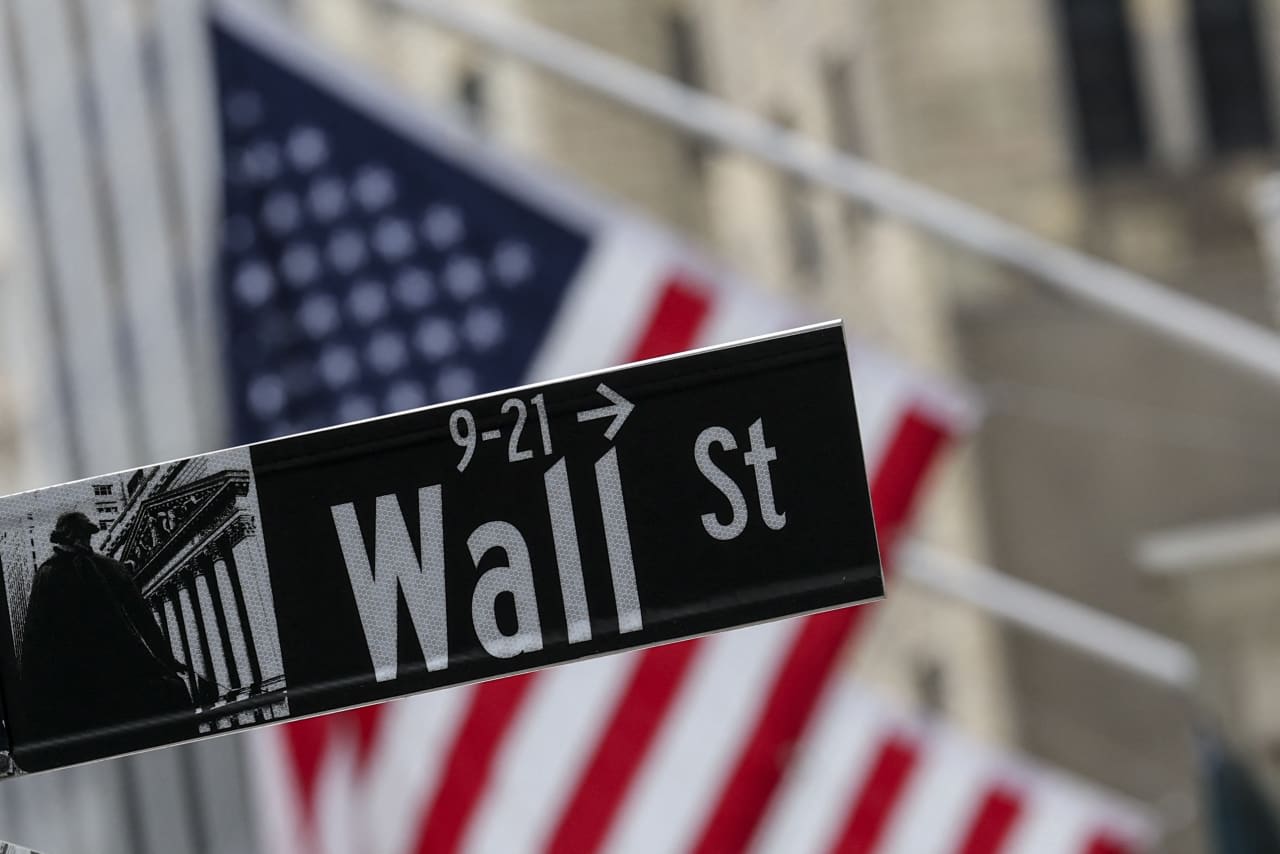
Wall Street is experiencing a period of unusual calm as the VIX hits 2026 lows, but historical patterns suggest volatility is poised to rise. Despite the typical September market weakness, analysts are cautiously observing key trading levels that may protect the S&P 500.
The Calm Before the Storm: Analyzing Wall Street’s Volatility Shift
Wall Street has recently entered a period of deceptive tranquility, marked by the CBOE Volatility Index (^VIX) dropping to 14.13—its lowest point of 2026. This stark contrast to the spring, when geopolitical tensions surrounding Iran briefly sent volatility soaring, suggests a market that has largely priced in current risks. However, seasoned observers know that this summer lull is often the precursor to a more turbulent autumn cycle.
Historical Seasonality and Market Patterns
Historically, the VIX does not remain at these suppressed levels for long. Data since 1990 indicates that volatility typically begins a climb in late August, moving from a median of 16.5 toward 18 by mid-September, and often reaching 19 by early October. This cyclical behavior is deeply ingrained in the market’s calendar, suggesting that the current period of quietude is an anomaly rather than a permanent shift in market sentiment.
The September Effect: Myth vs. Reality
September has long been regarded as the most challenging month for U.S. equities, frequently characterized by increased turbulence and negative performance. Yet, the current market narrative is nuanced. While the S&P 500 often struggles during this timeframe, analysts are tracking specific key trading levels that might allow the index to dodge significant losses. This divergence from historical trends suggests that investors are increasingly focused on technical support rather than mere calendar-based pessimism.
Strategic Positioning in a Volatile Month
Despite the expectation of broader market weakness, not all sectors are destined to follow the downward trend. Market participants are currently evaluating defensive strategies and sector-specific opportunities that historically perform well even when the broader indices face headwinds. By shifting focus toward these resilient industries, investors may find ways to profit even if the VIX begins its projected upward climb.
Future Outlook and Market Implications
As we move deeper into the final quarter of 2026, the primary question for investors is whether the volatility rise will lead to a broader market correction or merely a period of consolidation. The VIX serves as a 30-day forward-looking measure of expected market instability; therefore, its inevitable rise will force a re-evaluation of risk premiums across asset classes. Investors should remain vigilant, as the transition from a low-volatility environment to a more dynamic one often creates rapid shifts in liquidity and price action.
Conclusion
In summary, while the current market calm is statistically significant, it is likely a temporary state. With historical precedents pointing toward an uptick in volatility and a traditionally difficult month ahead for the S&P 500, market participants must balance their portfolios against the potential for turbulence. Whether the market successfully defies the "September curse" will depend heavily on the resilience of key technical levels and the ability of investors to pivot toward sectors that demonstrate relative strength.
Verification Required?